






April 10, 2026
A Day in the Life of a Student Pilot: What Flight Training Really Looks Like
6:00 AM – Early Wake-Up and Weather Check
Most student pilots start their day early. Aviation training is highly weather-dependent, and flying conditions are often best in the morning when winds are calm and visibility is optimal.
One of the first tasks of the day is to check the weather using resources like NAIPS, the Bureau of Meteorology (BOM), or trusted aviation-specific apps. You’ll be looking at factors such as wind direction and speed, visibility, cloud coverage, and temperature. Based on this information, you’ll determine if the conditions are safe and legal for flying.
Here’s what a day might look like for student with a morning flight…
8:00 AM – Pre-Flight Preparation and Briefing
Arriving at the flight school, the morning continues with aircraft bookings, briefing sessions, and flight plan preparation. You’ll meet your instructor to discuss the flight’s objectives, lesson plan, expected route, radio frequencies, and any particular airspace requirements.
Tasks at this stage include:
– Discussing weather
– Reading NOTAMs (Notices to Airmen)
– Calculating weight and balance
– Planning fuel requirements
– Check runway in use and discuss departure proceduresAnd if you’re a PPL or CPL student, you’ll also:
– Review navigation charts and route planning
– Fill out a flight plan (if required)
9:00 AM – Pre-Flight Checks and Takeoff
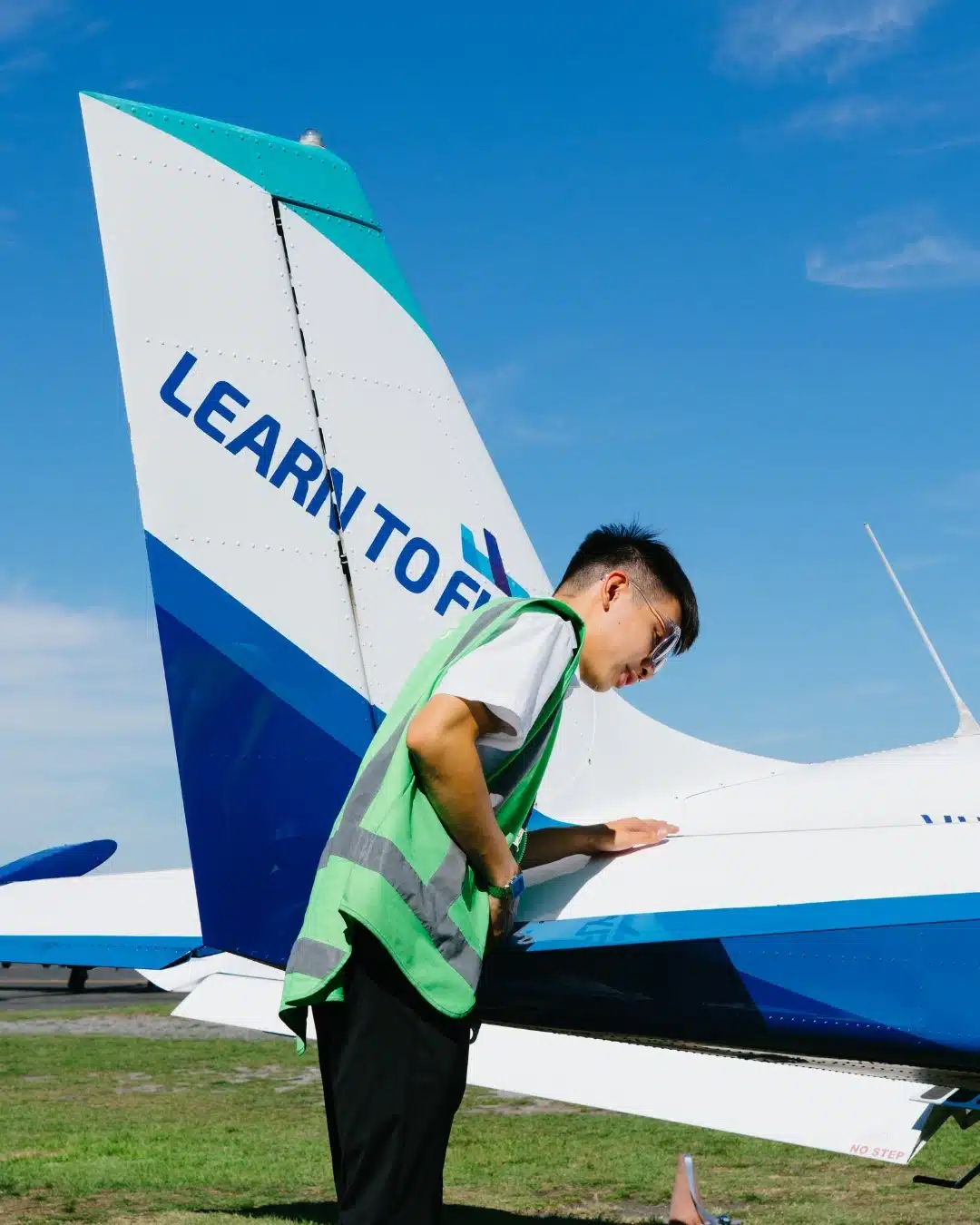
With your briefing complete, it’s time to get hands-on. Heading out to the apron, you’ll conduct a thorough pre-flight inspection of your aircraft. At Learn To Fly, a Melbourne flight school, you’ll either be flying a Sling 2, Cessna 172, or Diamond DA40 for your RPL, PPL, and CPL training.
The checklist includes:
– Fuel and oil levels
– Control surfaces and hinges
– Tires and brakes
– Pitot tube, lights, and antennas
– Overall serviceability
Once the inspection is complete, you’ll hop into the cockpit with your instructor (or without your instructor, if it’s a solo flight), start up the engine, conduct run-up checks, and request taxi clearance from air traffic control (YMMB is a Class D aerodrome).
11:00 AM – Post-Flight Debrief
After landing, your responsibilities aren’t over. You’ll taxi back to the parking area, shut down the aircraft, and ensure that the aircraft is properly tied down and secured.
You’ll then head inside for a debrief with your instructor. This is an essential part of the learning process—where you’ll review what went well, what could be improved, and what to focus on in the next lesson.
12:00 PM – Lunch and Break Time
After a busy morning, student pilots usually take a break around midday. Here at the best flight school in Melbourne, it’s common to grab a bite with fellow students or instructors in the student lounge—swapping stories about tough landings, favourite airports, or memorable lessons in the sky.
This downtime is also important for mental rest. Pilot training demands high levels of focus, situational awareness, and decision-making skills. Giving your brain time to relax helps you retain information and fly better.
1:00 PM – Ground School and Theory Study
Depending on your schedule, the afternoon may include time in a flight simulator, otherwise it’s time for your theory. Flight training isn’t just about flying (unfortunately)! Ground school plays a vital role in private and commercial pilot licence training, helping student pilots understand the principles of aviation, aircraft systems, meteorology, navigation, and regulations.
Depending on your course structure, you may have:
– In-person classroom lessons
– Online learning modules
– Self study at home
The subjects you’ll need to pass for CPL include:
– Air Law
– Performance
– Navigation
– Meteorology
– Human Factors
– Aerodynamics
– Systems
4:00 PM – Review, Study, and Progress Check
The final part of the day often involves personal study time or review. You may revise today’s flight, complete logbook entries, or study for your next theory exam.
5:00 PM – Wind Down and Reflect
By the evening, you’re likely mentally tired, but also fulfilled. The student pilot journey is intense and fast-paced, but each day in the cockpit builds your skills and confidence.
It’s time to plan for the next day’s lesson. Consistency, reflection, and focus are key to succeeding in flying training.
Final Thoughts: The Student Pilot Life
The life of a student pilot is one of discipline, adventure, and constant growth. No two days are the same, and every flight brings a new challenge and a chance to improve. While the workload can be demanding—especially balancing theory, flying, and real-world responsibilities—it’s also deeply rewarding.
Whether you’re just starting your pilot training in Australia or considering flight school in the near future, understanding what flight training really looks like can help you make the most of every moment. If you’d like to find out more about Learn To Fly, click here to book a school tour!
Blue skies and happy landings!
.