





 Download Course PDF
 Enquire Online
 School Tour
 Enrol Now
Learn Everywhere.
Air Transport Pilot Licence (ATPL) Theory Courses





Get Ready for Your Airline Pilot Career
Learn To Fly Melbourne has partnered with Aviation Theory Services, a leading ATPL theory training provider based in Perth, to offer comprehensive Airline Transport Pilot Licence (ATPL) theory courses.
Aviation Theory Services specialises in ATPL theory training and is supported by experienced instructors with extensive aviation and instructional backgrounds who are passionate about helping pilots succeed. By completing an ATPL Theory course through our partnership, students receive high-quality, consistent, and specialised training designed specifically to prepare them for CASA ATPL examinations.
The courses and study materials are carefully developed to maximise examination success while providing the aeronautical knowledge required for a future airline career. All courses comply with CASA CASR Part 61 Manual of Standards requirements and provide the knowledge needed for a future airline career.

Flexible Delivery Options for ATPL Theory Course
The ATPL Theory course is available through a flexible online delivery format, making it ideal for pilots with busy schedules or those unable to attend classroom-based training.
Students receive access to a comprehensive library of pre-recorded video lessons that can be studied anytime, anywhere, and at their own pace. The course materials are specifically designed to prepare students for CASA ATPL examinations and allow them to progress through the syllabus according to their own schedule.
In addition to the video content, students can contact instructors for support and clarification throughout their studies, ensuring they receive guidance whenever required. This flexible learning format enables students to balance their ATPL theory studies with flying, work, and other commitments.
-
1. Navigation
ATPL Navigation (ANAV) theory focuses on advanced navigation concepts essential for airline pilots. It covers topics such as radio navigation aids, GPS, and modern navigation systems, ensuring pilots can effectively plan and execute flights while maintaining precise aircraft positioning and safety.
-
2. Aerodynamics & Systems
ATPL Aerodynamics & Systems (AASA) covers the advanced principles of aerodynamics and the systems used in modern aircraft. This subject includes studying the forces acting on an aircraft, performance characteristics, aircraft stability and control, as well as detailed knowledge of aircraft systems such as jet engines, hydraulics, electrical, and avionics. This comprehensive understanding is essential for managing and troubleshooting aircraft systems in a professional airline environment.
-
3. Performance and Loading
ATPL Performance and Loading (APLA) focuses on the performance characteristics of an aircraft and the principles of weight and balance. Topics include calculating takeoff and landing distances, fuel consumption, and optimizing aircraft performance under various conditions. Understanding these principles is crucial for ensuring safe and efficient flight operations.
-
4. Flight Planning
ATPL Flight Planning (AFPA) involves the detailed process of planning a flight, including route selection, fuel requirements, alternate airports, and complying with air traffic control regulations. This subject teaches pilots how to create comprehensive flight plans that ensure safety, efficiency, and adherence to regulatory requirements.
-
5. Air Law
ATPL Air Law (AALW) encompasses the legal and regulatory framework governing aviation. This subject includes international and national aviation regulations, air traffic control procedures, and the rights and responsibilities of pilots. Familiarity with air law is essential for ensuring compliance with legal standards and maintaining the safety and integrity of flight operations.
-
6. Human Factors
ATPL Human Factors (AHUF) explores the psychological and physiological aspects affecting pilot performance. This subject includes topics such as crew resource management, decision-making processes, communication, stress management, and the impact of fatigue. Understanding human factors is vital for enhancing safety and efficiency in flight operations.
-
7. Meteorology
ATPL Meteorology (AMET) covers the study of weather and its impact on flight operations. This subject includes understanding weather patterns, interpreting meteorological data, and anticipating weather-related challenges. Knowledge of meteorology helps pilots make informed decisions to ensure safe flight operations under various weather conditions.
Supercharged by Learn To Fly
Course Content
Every student pilot should enjoy flying. Learn To Fly is constantly creating resources to help students do just that. Not only modern aircraft, but also facilities, experienced instructors and curriculums to create magical learning experiences and make every moment of air time worth it.
See why there’s no better place to learn to fly.
Our Graduate
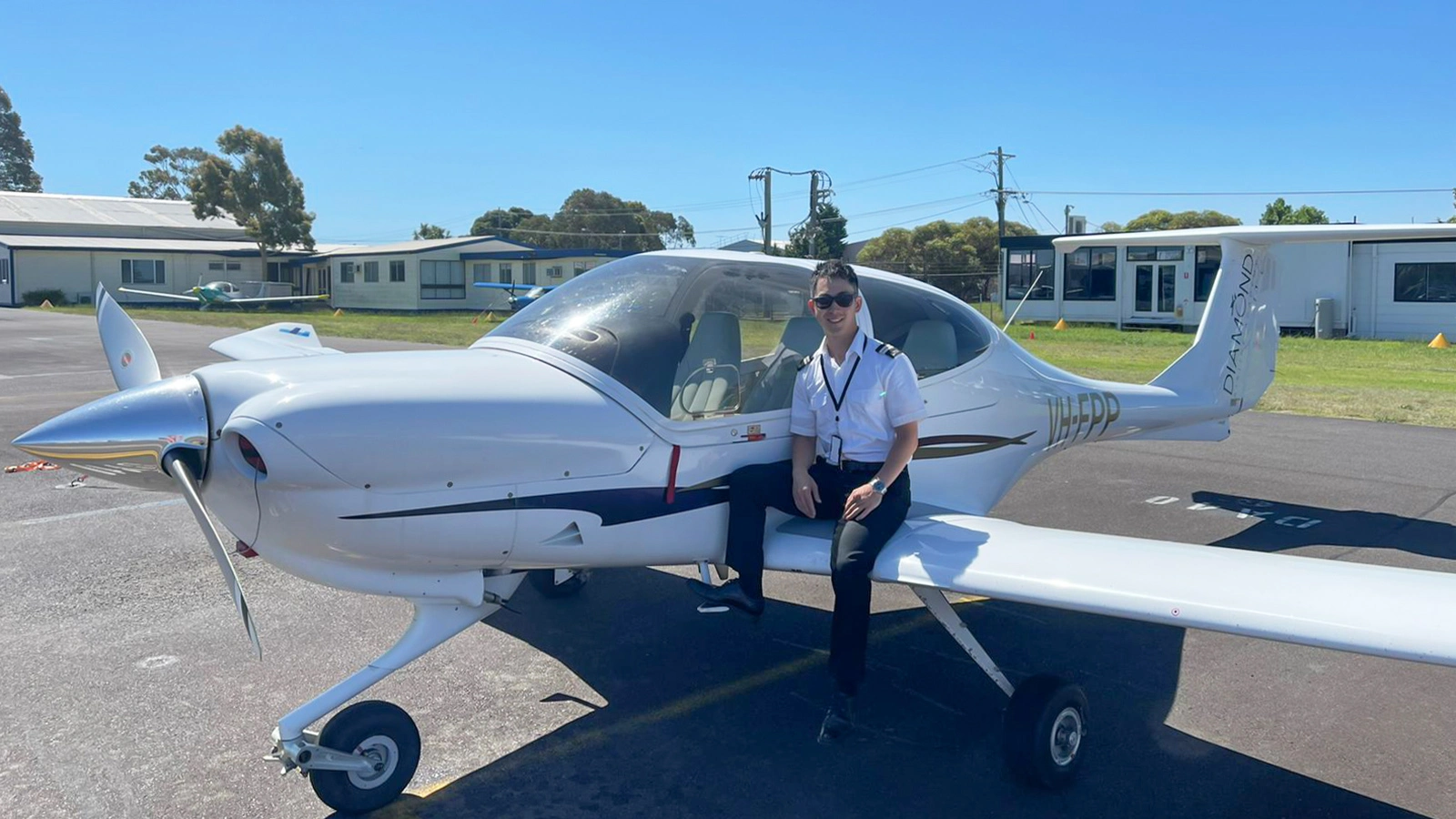
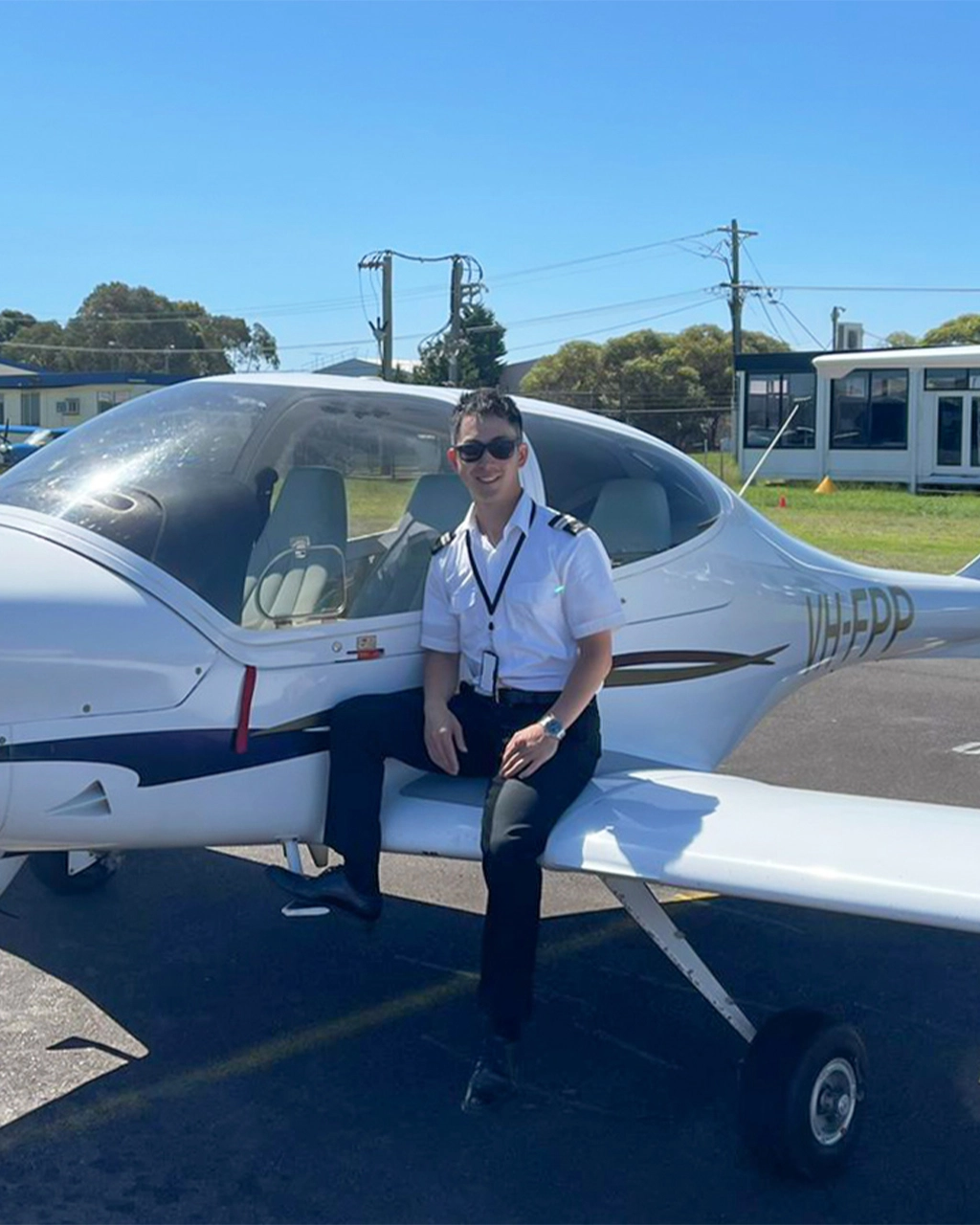
Be a Learn To Fly Success Story!“We love to share the success stories of our students here at LTF. Chat with one of our flight training specialists to see if this training pathway is for you, and we’d love to share your picture and story here when you graduate!”
Other Courses you may like
Start Your Flight Training Now.
Download Our FREE Course Guide
Our training program will support your learning and develop your flying skills in and out of the classroom. For detailed information on the course, including program introduction, prerequisites, training syllabus, fees and more, please download our FREE Course Guide.