
March 22, 2026
Fly Melbourne Australia: The Complete Guide for Aspiring Pilots
Table of Contents
- Introduction
- What Does “Fly Melbourne Australia” Mean? (Featured Snippet)
- Why Melbourne Is a Top Place to Learn to Fly in Australia
- Understanding the Aviation Training Path in Australia
- Flight Training Options When You Want to Fly Melbourne Australia
- Cost of Learning to Fly in Melbourne
- Comparison Table: Recreational vs Professional Pilot Training
- Step-by-Step Checklist to Start Flying in Melbourne
- Safety, Regulation, and Aviation Authorities in Australia
- Career Opportunities After You Learn to Fly
- People Also Ask: Fly Melbourne Australia
- FAQs: Expert Questions About Flying in Melbourne
- Conclusion
Introduction
For many aviation enthusiasts, the dream to fly Melbourne Australia represents the beginning of an exciting aviation journey. Melbourne is one of the most important aviation hubs in the country, offering high-quality training facilities, diverse airspace environments, and experienced instructors.
From my experience researching Australia’s aviation training system, Melbourne stands out because it combines controlled international airspace with quieter regional training areas. This balance allows new pilots to build real-world flying skills while learning in a structured and safe environment.
Whether you want to become a professional airline pilot or simply enjoy recreational flying, understanding how to fly Melbourne Australia involves knowing the training process, licensing requirements, costs, and the aviation ecosystem surrounding the city.
What Does “Fly Melbourne Australia” Mean?
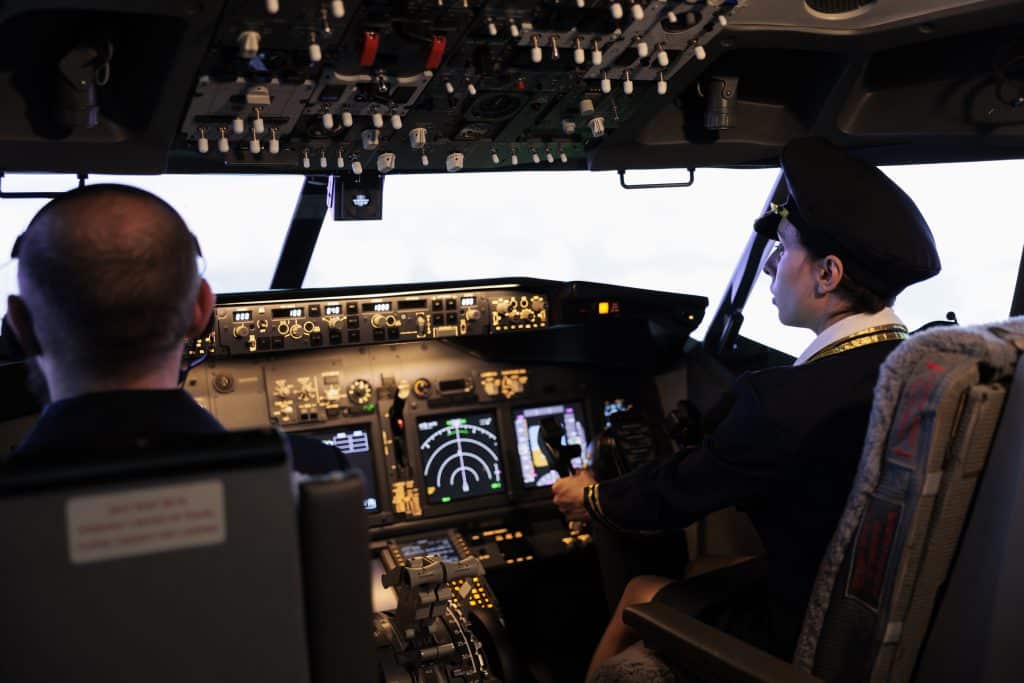
To fly Melbourne Australia typically means learning or operating aircraft within Melbourne’s aviation environment, including training for a pilot licence, recreational flying, or professional aviation careers. Melbourne offers flight schools, regulated training programs, and access to controlled and regional airspace, making it a key aviation training destination in Australia.
Why Melbourne Is a Top Place to Learn to Fly in Australia
Melbourne is one of Australia’s most established aviation centres. It combines modern infrastructure, experienced instructors, and varied flying environments.
1. Diverse Airspace for Real Training
Pilots training in Melbourne experience both controlled and uncontrolled airspace. This exposure helps develop stronger decision-making skills early in training.
For example:
- Melbourne Tullamarine controlled airspace
- Regional aerodromes nearby
- Coastal and rural navigation routes
These environments prepare pilots for real commercial operations.
2. Strong Aviation Infrastructure
Australia’s aviation system is globally respected for its safety standards. The national aviation regulator, the Civil Aviation Safety Authority (CASA), oversees training, licensing, and operational rules.
According to the Civil Aviation Safety Authority, pilot training organisations must follow strict standards covering aircraft maintenance, instructor qualifications, and safety management.
These requirements ensure students learning to fly receive consistent and professional training.
3. Access to Quality Flight Schools
Melbourne hosts several training academies offering modern aircraft fleets and structured training programs.
If you’re exploring training opportunities, one option is to explore professional flight training programs in Melbourne that specialise in pilot education and aviation career pathways.
High-quality flight schools typically provide:
- CASA-approved training
- Structured pilot courses
- Modern training aircraft
- Professional instructors
Understanding the Aviation Training Path in Australia
Learning to fly Melbourne Australia follows a structured pathway regulated nationally.
Step 1: Aviation Medical Certificate
Before beginning serious flight training, most students must obtain a medical certificate.
This medical ensures pilots meet safety requirements related to:
- Vision
- Hearing
- Cardiovascular health
- Overall fitness
Medical examinations are conducted by CASA-approved aviation medical examiners.
Step 2: Student Pilot Training
Students begin with basic flight training, learning:
- Aircraft controls
- Takeoff and landing
- Navigation basics
- Radio communication
This phase includes both ground theory and practical flight lessons.
Step 3: Pilot Licences
Pilots typically progress through several licence levels:
- Recreational Pilot Licence (RPL)
- Private Pilot Licence (PPL)
- Commercial Pilot Licence (CPL)
Each stage introduces more complex flight operations and responsibilities.
Flight Training Options When You Want to Fly Melbourne Australia
When people search “fly Melbourne Australia”, they usually fall into one of three categories.
1. Recreational Flying
This option is ideal for aviation enthusiasts who want to fly for personal enjoyment.
Typical features include:
- Basic flight training
- Local flying
- Takeoff and landing training
Recreational pilots usually fly within Australia under certain limitations.
2. Private Pilot Licence (PPL)
The PPL allows pilots to fly privately with passengers but without commercial compensation.
Training focuses on:
- Cross-country navigation
- Weather interpretation
- Advanced aircraft handling
This licence is often the foundation for professional pilot careers.
3. Commercial Pilot Training
The CPL is required for pilots who want to work professionally.
Training includes:
- Advanced flight operations
- Instrument flying
- Multi-engine aircraft
- Commercial aviation procedures
According to the Australian Government aviation career guidance, commercial pilot training involves extensive flight hours combined with aviation theory subjects.
Cost of Learning to Fly in Melbourne
The cost to fly Melbourne Australia varies depending on the licence level and training pace.
Typical cost ranges (estimates only):
- Recreational Pilot Licence: AUD $15,000 – $22,000
- Private Pilot Licence: AUD $36,000 – $50,000
- Commercial Pilot Licence: AUD $90,000 – $100,000+
These estimates depend on several factors:
- Aircraft type
- Training frequency
- Additional ratings
- Instructor availability
Flight training costs also include:
- Ground school
- Simulator time
- Exam fees
- Aviation medical assessments
Comparison Table: Recreational vs Professional Pilot Training
| Training Type | Typical Purpose | Training Hours | Career Path |
| Recreational Pilot Licence | Personal flying | ~25–30 hours | Hobby flying |
| Private Pilot Licence | Private travel | ~40–60 hours | Foundation for advanced training |
| Commercial Pilot Licence | Professional aviation | 150–200+ hours | Airline or charter pilot |
This progression helps pilots gradually build skill, knowledge, and flight experience.
Step-by-Step Checklist to Start Flying in Melbourne
If you want to fly Melbourne Australia, follow this practical checklist.
- Research flight schools in Melbourne
Look for CASA-approved training organisations. - Book an introductory flight
Many schools offer trial flights to experience flying firsthand. - Complete an aviation medical
Ensure you meet the health requirements for pilot training. - Start ground theory training
Learn navigation, meteorology, aerodynamics, and aviation law. - Begin practical flight lessons
Train with certified instructors in dual-control aircraft. - Log required flight hours
Build experience through supervised and solo flights. - Pass CASA theory exams
Demonstrate knowledge required for your licence level. - Complete flight tests
Practical tests confirm readiness for licence approval.
Safety, Regulation, and Aviation Authorities in Australia
Safety is central to aviation training.
Australia follows internationally recognised aviation standards.
Civil Aviation Safety Authority (CASA)
CASA regulates:
- Pilot licensing
- Aircraft maintenance
- Aviation training organisations
These rules ensure aviation safety across the country.
Airservices Australia
Airservices manages air traffic control and navigation services.
According to Airservices Australia, Melbourne’s airspace is carefully managed to ensure safe aircraft separation and efficient operations.
This environment provides students with exposure to professional aviation systems.
Career Opportunities After You Learn to Fly
Once you learn to fly Melbourne Australia, multiple aviation career paths become possible.
Airline Pilot
Airline pilots operate scheduled passenger flights.
This career requires:
- Commercial Pilot Licence
- Instrument rating
- Multi-engine training
- Airline transport pilot progression
Charter and Corporate Aviation
Charter pilots operate private flights, tourism aircraft, and regional services.
These roles often provide early career flying experience.
Flight Instructor
Experienced pilots can become instructors to train new aviation students.
Instructors play a crucial role in developing the next generation of pilots.
People Also Ask: Fly Melbourne Australia
How long does it take to learn to fly in Melbourne?
Most students complete basic pilot training within 6–12 months depending on training frequency. Full commercial training may take 18–24 months when including required flight hours and theory exams.
Is Melbourne a good place to learn to fly?
Yes. Melbourne offers diverse airspace, professional flight schools, and modern aviation infrastructure. These factors make it one of Australia’s leading locations for pilot training.
Do you need a degree to become a pilot in Australia?
No. Becoming a pilot in Australia requires aviation licences rather than university degrees. However, some pilots choose aviation degrees for additional knowledge or career flexibility.
What is the minimum age to start flight training?
Students can begin training from age 15 in many cases, depending on the licence type. Solo flights and licensing have specific minimum age requirements set by CASA.
FAQs: Expert Questions About Flying in Melbourne
1. What aircraft are typically used for flight training in Melbourne?
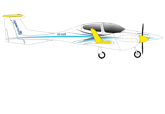
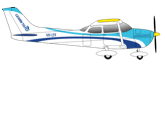
Training aircraft often include small single-engine aeroplanes such as the Cessna 172 or Diamond DA40. These aircraft are widely used because they are reliable, easy to control, and suitable for beginner pilots.
2. Is English required for aviation training in Australia?
Yes. Aviation communication worldwide uses English. Pilots must demonstrate English language proficiency to ensure clear communication with air traffic control.
3. Can international students learn to fly in Melbourne?
Yes, many flight schools accept international students. However, visa requirements and administrative processes may apply and should be reviewed with immigration professionals.
4. What weather conditions affect flight training in Melbourne?
Melbourne weather can include strong winds and seasonal changes. While this may occasionally delay lessons, it also helps students gain experience flying in realistic weather conditions.
5. Do pilots train in simulators before real aircraft?
Yes. Many flight schools use flight simulators for procedural training and instrument practice. Simulators allow students to safely practise complex scenarios before flying in actual aircraft.
Conclusion
Learning to fly Melbourne Australia opens the door to one of the most exciting and technically rewarding careers in aviation. Melbourne’s strong aviation infrastructure, professional training organisations, and diverse flying environments make it an ideal location for both recreational and professional pilot training.
From obtaining your aviation medical to progressing through licences and building flight hours, the journey requires dedication, discipline, and passion for aviation.
If you’re considering taking the first step toward becoming a pilot, the best way to begin is by researching structured training options and speaking with experienced instructors.
You can discover professional pilot training opportunities in Melbourne to explore how your aviation journey could start today.