
March 16, 2026
The Complete Guide to Learn to Fly Melbourne (Australia)
Table of Contents
- Introduction
- What Does “Learn to Fly Melbourne” Mean?
- Why Melbourne Is One of the Best Places to Learn to Fly
- Flight Training Licences in Australia Explained
- Step-by-Step Process to Learn to Fly in Melbourne
- Costs of Flight Training in Melbourne
- Comparison Table: Recreational vs Private vs Commercial Pilot Training
- Aircraft and Training Environments in Melbourne
- Choosing the Right Flight School in Melbourne
- Common Challenges When Learning to Fly
- Career Opportunities After Learning to Fly
- People Also Ask (PAA) About Learn to Fly Melbourne
- Expert Q&A About Flight Training in Melbourne
- Conclusion
Introduction
Many aspiring pilots search online for learn to fly Melbourne because the city has become one of Australia’s leading aviation training hubs. With several international airports, strong aviation infrastructure, and regulated training standards from the Civil Aviation Safety Authority (CASA), Melbourne offers excellent conditions for beginner pilots.
From my experience speaking with flight instructors and students in Australia, Melbourne is often recommended because it provides a mix of controlled and uncontrolled airspace. That environment helps trainees develop strong aviation decision-making skills early in their training.
Moreover, Australia has a structured aviation training system designed to ensure safety and professional competency. According to the Civil Aviation Safety Authority, all pilot licences require approved training and rigorous flight assessments to ensure pilots meet national safety standards.
For students interested in aviation careers or recreational flying, understanding how to start flight training in Melbourne is the first step toward the cockpit.
What Does “Learn to Fly Melbourne” Mean?
Learning to fly in Melbourne means enrolling in a certified Australian flight training program where students receive ground school education and practical flight lessons to obtain licences such as a Recreational Pilot Licence (RPL), Private Pilot Licence (PPL), or Commercial Pilot Licence (CPL) under Civil Aviation Safety Authority regulations.
Why Melbourne Is One of the Best Places to Learn to Fly
Melbourne stands out as a training location for several reasons.
1. Diverse Airspace for Training
Melbourne’s aviation environment includes:
- Controlled airspace around Melbourne Airport (Tullamarine)
- Regional training airfields
- Coastal flying routes
- Busy aviation corridors
This diversity exposes students to real-world flight conditions early in their training.
2. Strong Aviation Infrastructure
Australia maintains strict aviation standards. The Civil Aviation Safety Authority (CASA) regulates flight schools, instructors, aircraft maintenance, and training syllabuses.
According to Civil Aviation Safety Authority, Australian flight schools must meet strict safety and training requirements before they can operate.
3. Weather Variety
Melbourne’s well-known “four seasons in one day” weather may seem challenging, but it actually helps pilots learn weather interpretation and decision-making.
Pilots trained in varied weather conditions typically develop stronger operational skills.
4. Growing Aviation Industry
The aviation sector in Australia is expanding. According to Bureau of Infrastructure and Transport Research Economics, air travel demand across Australia has steadily increased over the last decade, which supports long-term aviation career demand.
Flight Training Licences in Australia Explained
If you want to learn to fly Melbourne, understanding the licence pathway is essential.
Australia follows a progressive training structure.
Recreational Pilot Licence (RPL)
This is the entry-level licence.
It allows pilots to:
- Fly light aircraft
- Carry limited passengers
- Operate within specific distance limits
The RPL is ideal for hobby flying.
Private Pilot Licence (PPL)
The PPL is the most common licence for recreational aviation enthusiasts.
It allows pilots to:
- Fly cross-country
- Carry passengers
- Rent aircraft
- Fly across Australia (with limitations)
Commercial Pilot Licence (CPL)
This licence is required for aviation careers.
With a CPL, pilots can:
- Be paid to fly aircraft
- Work as charter pilots
- Progress toward airline careers
According to International Civil Aviation Organisation, professional pilot training worldwide follows similar staged licensing structures to ensure safety and competency.
Step-by-Step Process to Learn to Fly in Melbourne
Starting flight training may feel overwhelming. However, the process is structured and straightforward.
Step-by-Step Checklist
- Research flight schools in Melbourne
- Book a trial introductory flight
- Obtain an Aviation Reference Number (ARN)
- Complete a CASA aviation medical if required
- Start ground school training
- Begin practical flight lessons
- Complete solo flight milestone
- Pass theory examinations
- Complete flight test with an examiner
- Receive your pilot licence
Many training organisations simplify the process with structured programs. For example, students can explore professional pilot training pathways through the Learn to Fly Melbourne aviation training programs offered by specialised aviation academies.
Costs of Flight Training in Melbourne
The cost of learning to fly depends on aircraft type, instructor time, and licence level.
Typical estimates in Australia:
| Licence Type | Estimated Hours | Estimated Cost (AUD) |
|---|---|---|
| Recreational Pilot Licence | 33–45 hours | $18,000 – $24,000 |
| Private Pilot Licence | 55–85 hours | $36,000 – $50,000 |
| Commercial Pilot Licence | 150–200 hours | $95,000 – $115,000 |
These are general estimates and vary depending on aircraft type and training pace.
Students who train consistently often complete their licences more efficiently.
Comparison Table: Pilot Training Pathways
| Feature | Recreational Pilot Licence | Private Pilot Licence | Commercial Pilot Licence |
|---|---|---|---|
| Main Purpose | Hobby flying | Personal travel | Aviation career |
| Minimum Flight Hours | ~25 | ~55 | ~150+ |
| Passenger Carrying | Limited | Yes | Yes |
| Paid Flying | No | No | Yes |
| Cross-Country Flying | Limited | Yes | Yes |
| Typical Training Time | 2-3 months (Full-time) | 6–9 months (Full-time) | 14–20 months (Full-time) |
Understanding these differences helps aspiring pilots choose the right path.
Aircraft and Training Environments in Melbourne
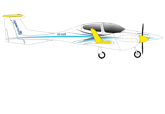
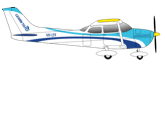
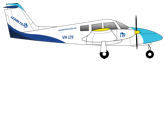
Flight schools in Melbourne commonly train students on aircraft such as:
- Cessna 172
- Piper Warrior
- Diamond DA40
- Cirrus SR20
These aircraft are used worldwide for pilot training due to their safety and reliability.
Modern training fleets often include glass cockpit avionics, which resemble the systems used in modern airline aircraft.
Learning with advanced avionics prepares students for professional aviation environments.
Choosing the Right Flight School in Melbourne
Selecting the right training organisation is crucial.
Important factors include:
Instructor Experience
Experienced instructors provide better mentoring and real-world aviation insights.
Fleet Quality
Modern aircraft improve reliability and safety.
Training Structure
Structured programs help students progress faster.
Aviation Pathways
Some schools offer integrated career pathways into commercial aviation.
Location
Melbourne has several training airports including:
- Moorabbin Airport
- Essendon Fields Airport
- Melbourne Airport training zones
Each location offers different training environments.
Common Challenges When Learning to Fly
Learning to fly is rewarding but challenging.
1. Weather Delays
Melbourne weather can delay lessons, particularly during winter.
2. Information Overload
Students must learn aerodynamics, navigation, radio communication, and regulations simultaneously.
3. Confidence During Solo Flight
The first solo flight is a major milestone and often the most nerve-racking moment for student pilots.
However, proper training ensures students are fully prepared before flying solo.
Career Opportunities After Learning to Fly
Completing commercial pilot training can lead to various aviation careers.
Common pathways include:
- Charter pilot
- Flight instructor
- Airline pilot
- Corporate aviation
- Agricultural aviation
- Emergency medical services aviation
Australia’s aviation industry supports both domestic and international career opportunities.
People Also Ask About Learn to Fly Melbourne
How long does it take to learn to fly in Melbourne?
Most students complete a Recreational Pilot Licence within three to six months if they train regularly. However, the timeline varies depending on lesson frequency, weather conditions, and personal study time.
How much does it cost to learn to fly in Melbourne?
Flight training costs vary depending on licence level. Recreational licences may cost around $14,000 to $20,000, while professional commercial pilot training can exceed $90,000 due to the required flight hours.
Do you need perfect eyesight to learn to fly?
No. Many pilots wear corrective glasses or contact lenses. Aviation medical assessments simply ensure pilots meet CASA vision standards for safe aircraft operation.
Can international students learn to fly in Melbourne?
Yes. Australia is a popular destination for international aviation students due to its high training standards and English-language aviation environment.
What age can you start flight training in Australia?
Students can begin training at a young age, although licence issue requirements vary. Many flight schools allow introductory lessons during teenage years.
Expert Q&A: Learn to Fly Melbourne
What is the first flight lesson like in Melbourne?
The first lesson usually begins with a briefing on aircraft controls and safety procedures. Students then fly with an instructor, often experiencing basic manoeuvres such as climbs, turns, and straight-and-level flight.
Is Melbourne good for airline pilot training?
Yes. Melbourne’s aviation ecosystem includes busy airspace, advanced training aircraft, and regulated flight schools, which makes it suitable for students aiming for airline careers.
How often should you train to progress efficiently?
Training at least two to three times per week helps students retain skills and progress faster. Long gaps between lessons may slow skill development.
Do flight schools provide ground theory classes?
Most Australian flight schools include structured ground school programs that teach aerodynamics, navigation, meteorology, and aviation regulations.
What skills are most important for student pilots?
Successful pilots typically develop strong situational awareness, decision-making ability, communication skills, and disciplined study habits.
Conclusion
Choosing to learn to fly Melbourne is the beginning of an exciting aviation journey. With structured pilot licensing, advanced training aircraft, and regulated safety standards from the Civil Aviation Safety Authority, Melbourne provides one of the most supportive environments in Australia for aspiring pilots.
Whether your goal is recreational flying or a professional aviation career, understanding the training pathway, costs, and licensing process will help you make informed decisions.
If you’re ready to explore flight training options and start your journey toward becoming a pilot, you can learn more about professional aviation courses through the Learn to Fly Melbourne training programs available online.