

March 16, 2026
Pilots in Australia: Training, Careers, and What to Expect
pilots
Table of Contents
- Introduction
- Who Are Pilots?
- Why Pilots Matter in Australia’s Aviation Industry
- Types of Pilots in Australia
- How to Become a Pilot in Australia
- Pilot Licences in Australia Explained
- Flight Training Process: Step-by-Step Checklist
- Costs of Pilot Training in Australia
- Skills Every Successful Pilot Develops
- Pilot Career Paths in Australia
- Pilot Salary Expectations in Australia
- Comparison Table: Private vs Commercial Pilots
- Safety, Regulation, and Aviation Authorities
- People Also Ask About Pilots in Australia
- Expert Q&A Section
- Conclusion
Introduction
Pilots play a crucial role in Australia’s aviation ecosystem, connecting cities, supporting emergency services, and enabling global travel. Every day, thousands of pilots safely operate aircraft across the country from commercial airliners travelling between Sydney and Melbourne to small charter planes flying into regional communities.
From my experience speaking with trainee pilots and instructors across Australia, many aspiring aviators are curious about what the journey actually involves. Questions often centre around training requirements, licences, career paths, and the real cost of becoming a pilot.
This guide explains how pilots train and work in Australia, using clear explanations, real industry practices, and insights from aviation training environments.
Who Are Pilots?
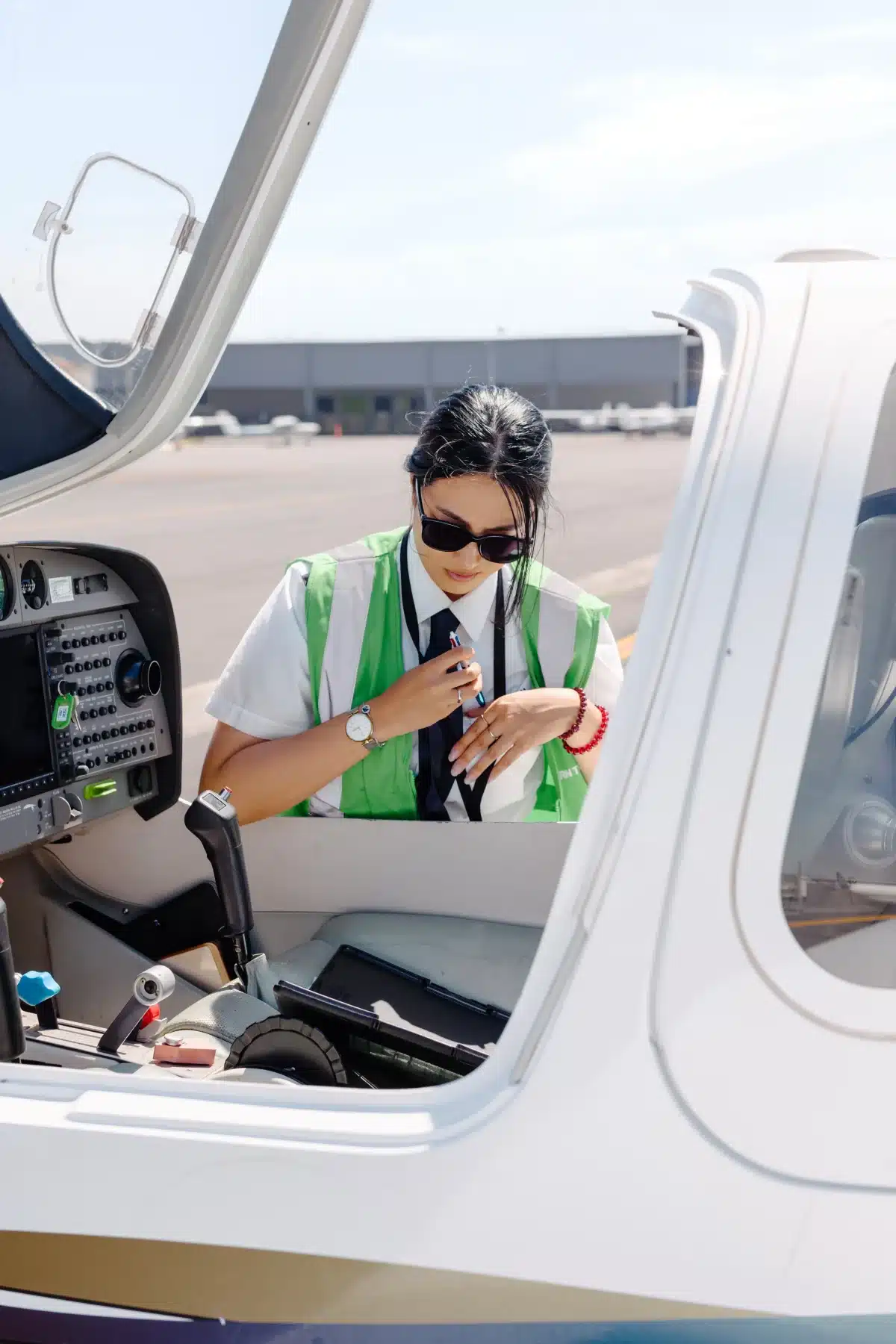
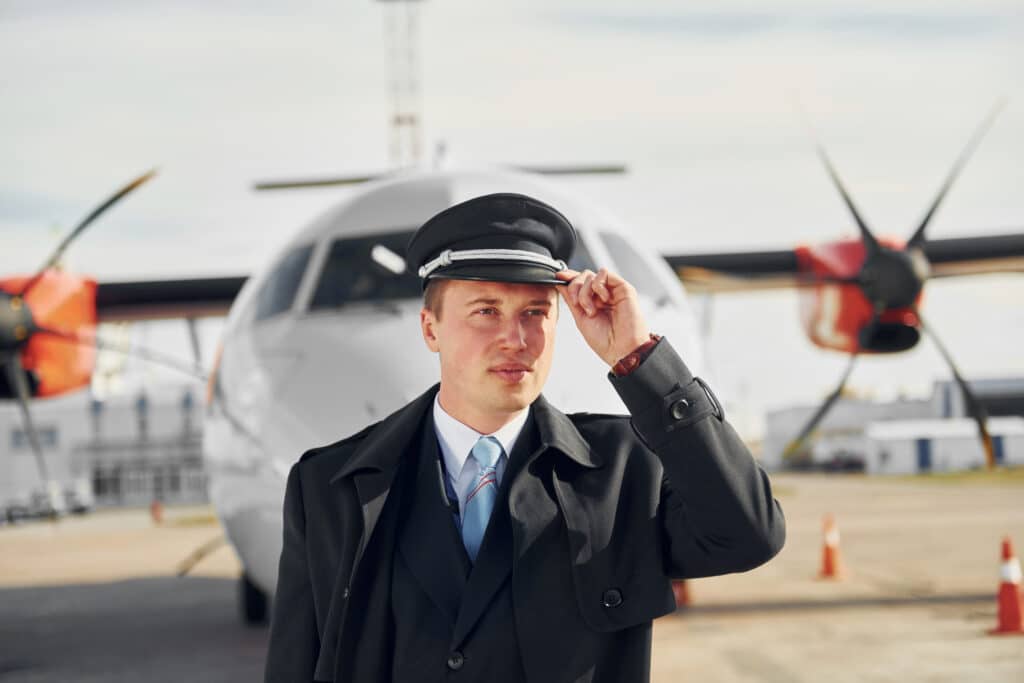
Pilots are trained aviation professionals who operate aircraft safely by navigating routes, managing flight systems, and coordinating with air traffic control. In Australia, pilots must complete structured flight training and obtain licences regulated by the Civil Aviation Safety Authority (CASA) before operating aircraft commercially or privately.
Why Pilots Matter in Australia’s Aviation Industry
Australia is a vast country with large distances between cities and remote communities. Because of this geography, aviation is not simply a convenience—it is essential infrastructure.
Pilots support many critical services including:
- Commercial airline travel
- Medical evacuation flights
- Regional transport
- Agricultural aviation
- Aerial surveying and firefighting
According to the Australian Government’s aviation regulator, the Civil Aviation Safety Authority, the aviation sector requires highly trained pilots to maintain safety and efficiency across thousands of daily flights. The regulatory framework ensures pilots maintain strict competency standards.
Learn more about aviation safety regulations.
Additionally, aviation plays a major role in Australia’s economy. Tourism, freight logistics, and international trade all depend heavily on reliable aviation operations.
Types of Pilots in Australia
Not all pilots follow the same career path. In Australia, pilots typically specialise depending on their training and career interests.
1. Commercial Airline Pilots
These pilots operate passenger aircraft for airlines such as Qantas, Virgin Australia, or regional carriers.
Typical responsibilities include:
- Operating large multi-engine aircraft
- Managing flight planning and navigation
- Coordinating with airline operations and air traffic control
2. Charter Pilots
Charter pilots transport passengers privately or for specialised services such as corporate travel or remote tourism.
3. Flight Instructors
Many pilots begin their careers by teaching new students how to fly. Flight instruction helps pilots build valuable flight hours while mentoring others.
4. Agricultural Pilots
These pilots operate aircraft used for crop dusting, livestock monitoring, and agricultural mapping.
5. Emergency and Rescue Pilots
Helicopter and fixed-wing pilots assist emergency services including search-and-rescue missions and medical evacuations.
Each role requires different training levels, aircraft types, and operational experience.
How to Become a Pilot in Australia
Becoming a pilot involves structured training approved by aviation authorities. While the process may seem complex, it follows a clear progression.
Most students begin their aviation journey through professional flight training organisations. For example, prospective aviators can explore structured flight training programs through Learn to Fly’s professional pilot training programs, which guide students from beginner flight lessons to advanced licences.
The typical pathway involves:
- Introductory flight training
- Private pilot licence
- Commercial pilot licence
- Additional ratings and flight hours
- Airline transport pilot qualification (for airline careers)
However, training timelines vary depending on study pace and experience.
Pilot Licences in Australia Explained
In Australia, aviation licences are issued by the Civil Aviation Safety Authority (CASA). Each licence allows pilots to operate aircraft under different conditions.
Recreational Pilot Licence (RPL)
This entry-level licence allows pilots to fly small aircraft for recreational purposes within certain limitations.
Key features:
- Limited passenger capacity
- Restricted flight range
- Ideal for hobby pilots
Private Pilot Licence (PPL)
The PPL allows pilots to fly aircraft privately and carry passengers but not receive payment for flights.
Typical requirements include:
- Minimum flight hours
- Navigation training
- Aviation theory exams
Commercial Pilot Licence (CPL)
A CPL enables pilots to be paid for flying aircraft. This licence is the standard qualification for professional aviation careers.
Airline Transport Pilot Licence (ATPL)
This is the highest pilot qualification and required for airline captains operating large aircraft.
The full details of licence requirements and training standards can be found through the Australian Government aviation regulator.
Read CASA licensing information.
Flight Training Process: Step-by-Step Checklist
Becoming a pilot typically follows a structured learning pathway.
Pilot Training Checklist
- Complete an introductory flight lesson to understand the basics of aircraft controls.
- Enrol in a flight training program approved by aviation authorities.
- Study aviation theory, including navigation, meteorology, and aircraft systems.
- Log supervised flight hours with certified flight instructors.
- Pass CASA theory examinations required for pilot licensing.
- Complete a flight test demonstrating safe aircraft operation.
- Build additional flight hours required for commercial aviation careers.
This process typically takes 12–24 months for full-time students pursuing professional aviation careers.
Costs of Pilot Training in Australia
Pilot training is a professional investment and costs can vary depending on program structure and flight hours required.
Estimated training costs may include:
| Training Stage | Estimated Cost Range (AUD) |
|---|---|
| Recreational Pilot Licence | $15,000 – $22,000 |
| Private Pilot Licence | $20,000 – $30,000 |
| Commercial Pilot Licence | $85,000 – $100,000 |
| Full Airline Pathway | $200,000 – $250,000 |
These figures are estimates and vary by flight school, aircraft type, and student progress.
According to aviation workforce reports published by Boeing, global demand for pilots continues to increase as aviation recovers and expands.
Read the global pilot outlook.
Skills Every Successful Pilot Develops
Professional pilots require more than technical training. Successful aviation careers also depend on strong personal and cognitive skills.
Key Pilot Skills
Situational awareness
Pilots must continuously monitor aircraft systems, weather, and surrounding airspace.
Decision-making
Aviation requires rapid, well-informed decisions under pressure.
Communication
Pilots coordinate constantly with air traffic control and crew members.
Problem solving
Unexpected weather or technical issues require quick and calm responses.
Discipline and responsibility
Safety procedures and regulations must always be followed precisely.
Pilot Career Paths in Australia
After obtaining a commercial licence, pilots often begin building flight hours before moving into larger aircraft roles.
Typical career progression:
- Flight instructor
- Charter pilot
- Regional airline first officer
- Major airline first officer
- Airline captain
However, alternative aviation careers also exist in areas such as aerial firefighting, tourism aviation, or corporate aviation.
Pilot Salary Expectations in Australia
Pilot salaries vary depending on experience, aircraft type, and employer.
Estimated ranges include:
| Pilot Role | Average Salary (AUD) |
|---|---|
| Flight Instructor | $60,000 – $180,000 |
| Charter Pilot | $70,000 – $120,000 |
| Regional Airline Pilot | $65,000 – $150,000 |
| Major Airline Captain | $200,000+ |
These ranges represent typical estimates based on aviation industry reports and job listings.
Comparison Table: Private vs Commercial Pilots
| Feature | Private Pilot | Commercial Pilot |
|---|---|---|
| Paid to Fly | No | Yes |
| Licence Type | PPL | CPL |
| Passenger Flights | Allowed | Allowed |
| Professional Aviation Jobs | Not permitted | Permitted |
| Training Hours | Lower | Higher |
This comparison helps aspiring pilots understand the difference between recreational flying and professional aviation careers.
Safety, Regulation, and Aviation Authorities
Australia maintains one of the world’s most respected aviation safety frameworks.
The Civil Aviation Safety Authority (CASA) regulates pilot training, aircraft operations, and aviation maintenance standards.
Pilots must maintain:
- Regular flight proficiency checks
- Medical certification
- Ongoing training and competency testing
These systems ensure Australian aviation continues to maintain strong safety standards.
People Also Ask About Pilots in Australia
How long does it take to become a pilot in Australia?
Most students complete pilot training within 12 to 24 months, depending on whether they study full-time or part-time. However, building additional flight hours for airline careers may take several more years.
How much does it cost to become a pilot in Australia?
Training costs vary widely but typically range between $90,000 and $150,000 for full commercial pilot training.
Do pilots need university degrees in Australia?
No. A university degree is not required to become a pilot. Instead, aviation careers rely on flight training and licences issued by CASA.
Are pilots in demand in Australia?
Demand for pilots fluctuates with airline growth and global aviation trends. Industry forecasts indicate continued demand for skilled aviation professionals worldwide.
What subjects help if you want to become a pilot?
Mathematics, physics, and geography can be useful because they support navigation, aircraft performance understanding, and meteorology concepts.
Expert Q&A Section
1. What medical requirements do pilots need in Australia?
Pilots must pass aviation medical examinations to ensure they are fit to operate aircraft safely. These medical checks assess vision, hearing, cardiovascular health, and other key factors.
2. Can international students train as pilots in Australia?
Yes, many flight schools accept international students. However, visa requirements and training approvals must be reviewed through immigration and aviation authorities.
3. How many flight hours are required for a commercial pilot licence?
The minimum requirement is typically 150–200 flight hours, although most pilots accumulate additional experience before applying for airline roles.
4. Is flight simulation part of pilot training?
Yes. Modern aviation training includes advanced simulators that allow pilots to practise emergency procedures and aircraft systems safely.
5. Do pilots continue training after receiving licences?
Absolutely. Professional pilots undergo recurrent training, safety checks, and simulator sessions throughout their careers.
Conclusion
Pilots play a vital role in Australia’s aviation system, supporting transport, emergency services, and international connectivity. While becoming a pilot requires dedication, training, and financial investment, the career offers unique opportunities to travel, operate advanced aircraft, and contribute to a highly skilled profession.
For those exploring aviation careers, structured training programs provide a clear pathway from beginner flight lessons to professional pilot qualifications.If you’re considering aviation training, explore the programs and learning pathways available through professional pilot training opportunities in Australia to start your journey toward becoming a pilot.