


CPL
Becoming a cpl holder in Australia is a major milestone for any aspiring professional pilot. Whether your goal is to fly charter, instruct students, operate regional airline services, or build hours toward an ATPL, the Commercial Pilot Licence (CPL) is the qualification that turns your passion into a paid profession.
From my experience working with student pilots across Australia, the biggest challenges aren’t just flight hours they’re understanding CASA requirements, planning finances realistically, and choosing the right training pathway.
This comprehensive guide explains everything you need to know about earning a CPL in Australia, using verified information from reputable aviation authorities and real-world industry context.
What Is a CPL?
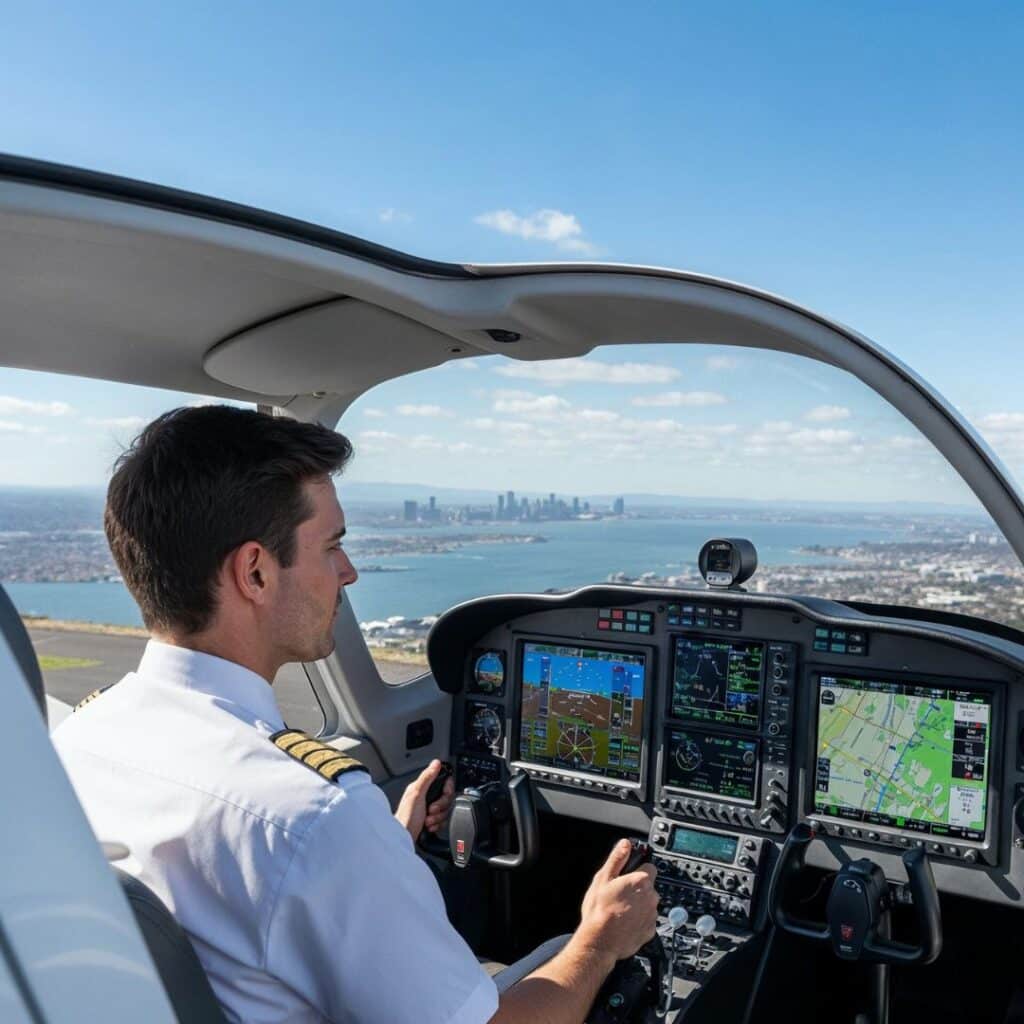
A CPL (Commercial Pilot Licence) in Australia is a qualification issued by the Civil Aviation Safety Authority (CASA) that allows a pilot to be paid for flying. To obtain a CPL, candidates must complete approved training, pass theory exams, meet medical standards, and log the required flight hours under CASA regulations.
Table of Contents
- What Is a CPL in Australia?
- CPL vs PPL: What’s the Difference?
- CASA Requirements for a CPL
- CPL Flight Hour Requirements Explained
- CPL Theory Exams and Subjects
- Medical Standards for CPL in Australia
- How Much Does a CPL Cost in Australia?
- Integrated vs Non-Integrated CPL Training
- Step-by-Step CPL Training Checklist
- Career Options After a CPL
- CPL Timeline: How Long Does It Take?
- People Also Ask About CPL
- Expert Q&A: Advanced CPL Questions
- Conclusion: Starting Your CPL Journey
What Is a CPL in Australia?
A CPL allows you to legally work as a professional pilot in Australia. It is regulated by the Civil Aviation Safety Authority (CASA), which oversees aviation safety standards nationwide.
With a CPL, you can:
- Be paid to fly
- Conduct charter operations
- Work as a flight instructor (with additional rating)
- Operate aerial work (survey, agricultural, photography)
- Build hours toward an Airline Transport Pilot Licence (ATPL)
However, you cannot act as captain of a multi-crew airline operation without an ATPL. Therefore, a CPL is often considered the “professional entry point” into aviation.
CPL vs PPL: What’s the Difference?
Many students begin with a Private Pilot Licence (PPL). However, there are key differences.
| Feature | PPL | CPL |
|---|---|---|
| Paid to fly? | No | Yes |
| Minimum flight hours | 40 | 150–200 |
| CASA medical | Class 2 | Class 1 |
| Theory depth | Moderate | Advanced |
| Career pathway | Recreational | Professional |
In short, a PPL allows private flying, while a CPL enables commercial aviation employment.
CASA Requirements for a CPL
To obtain a CPL in Australia, CASA requires candidates to meet standards outlined in Part 61 of the Civil Aviation Safety Regulations.
According to CASA, CPL applicants must:
- Be at least 18 years old
- Hold at least a Class 1 Medical Certificate
- Pass the CPL theory examination
- Complete required flight training hours
- Pass a CPL flight test
You can review official licensing guidance via CASA’s licensing section here:
CASA Flight Crew Licensing
Importantly, administrative compliance including medical validity and logbook certification must be reviewed carefully. While flight schools assist with documentation, final licence approval remains CASA’s responsibility.
CPL Flight Hour Requirements Explained
Flight hour requirements vary depending on training pathway:
Aeroplane CPL (Typical Requirements)
- Minimum 150 hours (integrated course)
- 200 hours (non-integrated pathway)
- 100 hours Pilot in Command (PIC)
- 20 hours cross-country PIC
- 10 hours instrument time
These numbers are defined under CASA Part 61 standards. However, most students exceed minimums before they feel fully prepared for the flight test.
From my experience observing training outcomes in Australia, students who aim for 180–220 hours often feel significantly more confident entering commercial operations.
CPL Theory Exams and Subjects
CPL theory is significantly more advanced than PPL knowledge. Subjects include:
- Aerodynamics
- Aircraft General Knowledge
- Meteorology
- Navigation
- Flight Planning
- Human Factors
- Air Law
- Performance
The CASA CPL theory exam consolidates these areas into a comprehensive test.
According to the Australian Government’s aviation regulatory framework, knowledge requirements are designed to ensure pilots can safely manage complex commercial operations.
Strong preparation is critical. Many students underestimate performance calculations and advanced meteorology.
Medical Standards for CPL in Australia
A CPL requires a CASA Class 1 Medical Certificate.
This includes:
- ECG (depending on age)
- Vision testing
- Hearing checks
- General health assessment
Medical assessments are conducted by a Designated Aviation Medical Examiner (DAME).
It’s wise to obtain your Class 1 medical early in training to avoid costly surprises later.
How Much Does a CPL Cost in Australia?
CPL costs vary depending on location, aircraft type, and training structure.
Estimated CPL Cost Range (Australia)
- Non-integrated: AUD $65,000–$90,000
- Integrated program: AUD $80,000–$110,000
These are estimates and can vary based on fuel prices, aircraft availability, and additional ratings (e.g., multi-engine, instrument rating).
Students should budget for:
- Flight hours
- Instructor time
- Landing fees
- CASA exam fees
- Medical assessments
- Study materials
Always request a transparent training cost breakdown before enrolling.
Integrated vs Non-Integrated CPL Training
Choosing the right structure matters.
| Feature | Integrated CPL | Non-Integrated CPL |
|---|---|---|
| Structured syllabus | Yes | Flexible |
| Minimum hours | 150 | 200 |
| Full-time study | Yes | Optional |
| Timeline | Faster | Variable |
| Ideal for | Career-focused students | Flexible learners |
Integrated courses suit students committed to a professional pathway. Meanwhile, non-integrated pathways allow part-time progression.
If you’re exploring structured commercial pilot training in Melbourne, review the professional programs available at Learn To Fly Australia’s commercial pilot training programs.
Step-by-Step CPL Training Checklist
Here’s a practical roadmap:
- Obtain a Class 1 Medical Certificate
- Complete PPL (if not already licensed)
- Enrol in CPL theory course
- Pass CPL theory exam
- Accumulate required flight hours
- Complete instrument and navigation training
- Sit CPL flight test
- Submit CASA licence application
Following this checklist reduces delays and helps maintain compliance with administrative requirements.
Career Options After a CPL
Once you hold a CPL, opportunities expand significantly.
Common Australian CPL career paths include:
- Flight Instructor (with Instructor Rating)
- Charter Pilot (regional operators)
- Aerial Survey Pilot
- Agricultural Pilot
- Tourism/Scenic Flights
- First Officer (with further ratings and hours)
According to industry data from the Australian aviation sector, regional airlines and charter services frequently recruit pilots building hours toward ATPL eligibility.
However, employment depends on experience, additional endorsements, and market demand.
CPL Timeline: How Long Does It Take?
Full-time integrated students may complete a CPL in 12–18 months.
Part-time students may take 2–4 years depending on availability and finances.
Weather conditions in Australia, especially in southern states during winter, can influence training pace. Therefore, planning flexibility is essential.
People Also Ask About CPL
How many hours do you need for a CPL in Australia?
Most students require 150–200 flight hours depending on the training pathway. However, many exceed minimums before attempting the flight test.
Can you go straight to CPL without PPL?
Yes, through an integrated course. However, non-integrated pathways typically require holding a PPL first.
Is a CPL enough to work for an airline?
Not as captain. A CPL allows commercial work, but airline captains require an ATPL. Most airline first officers begin with a CPL and additional ratings.
How hard is the CPL theory exam?
It is significantly more complex than PPL theory. Performance, meteorology, and air law require strong preparation and disciplined study.
How much does a CPL pilot earn in Australia?
Entry-level charter or instructor roles may start around AUD $55,000–$75,000 annually (estimates vary). Airline salaries increase substantially with experience and ATPL qualification.
Expert Q&A: Advanced CPL Questions
1. Does a CPL automatically include instrument privileges?
No. A CPL allows commercial operations in visual conditions. Instrument flying requires a separate Instrument Rating (IR).
2. Can overseas pilots convert a CPL to Australia?
Yes, but CASA requires licence verification, theory exams, and medical compliance. Conversion pathways depend on ICAO recognition.
3. What aircraft endorsements are needed after CPL?
Common endorsements include multi-engine class rating and design feature endorsements (e.g., retractable undercarriage, constant-speed propeller).
4. How long is a CPL valid?
The licence itself does not expire, but medical certificates and flight reviews must remain current to exercise privileges.
5. What’s the difference between CPL(A) and CPL(H)?
CPL(A) refers to aeroplanes, while CPL(H) refers to helicopters. Training hours and operational standards differ significantly.
Conclusion: Taking the Next Step Toward Your CPL
Earning a cpl in Australia is a serious commitment financially, academically, and professionally. However, it remains the gateway to a rewarding aviation career.
By understanding CASA requirements, planning your training pathway carefully, and budgeting realistically, you position yourself for long-term success.
If you’re ready to explore structured, CASA-aligned commercial pilot training in Australia, review the available programs and speak with experienced instructors at Learn To Fly. The right training environment can make all the difference between simply logging hours and building a professional aviation future.