

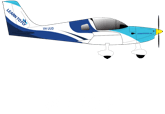


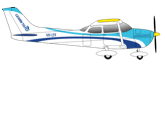
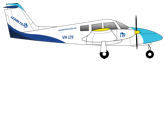

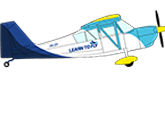

Choosing the best pilot schools in Australia is not just about finding the nearest airport or the lowest hourly aircraft rate. It is about choosing a training environment where safety, instructor quality, aircraft availability, course structure, student support, and career guidance all work together. From my experience reviewing pilot training pathways, the strongest schools make each step clear before you commit your money.
Australia is a popular place to learn to fly because it offers controlled airspace, regional airfields, varied weather, and structured Civil Aviation Safety Authority rules. However, not every school suits every student. A weekend recreational flyer, an international student, and a future airline pilot need different pathways.
This guide explains how to compare the best pilot schools in Australia with practical checks you can use before booking a trial flight, applying for a course, or moving cities for training.
What Are the Best Pilot Schools?
The best pilot schools are flight training organisations that combine safe operations, qualified instructors, well-maintained aircraft, clear pricing, structured theory support, and a pathway that matches your goal, whether that is recreational flying, a Private Pilot Licence, a Commercial Pilot Licence, or airline preparation in Australia.
Table of Contents
- What Makes the Best Pilot Schools Different?
- Why Australia Is a Strong Place to Learn to Fly
- Australian Pilot Training Pathways Explained
- Best Pilot Schools Checklist: What to Compare First
- Comparison Table: Local, Interstate, and International Training Options
- How to Assess Instructor Quality
- Aircraft, Simulators, and Scheduling
- Costs, Value, and Hidden Variables
- Safety Culture and Student Support
- International Student Considerations
- Numbered Checklist: How to Shortlist Pilot Schools
- People Also Ask
- Expert Q&A: Best Pilot Schools in Australia
- Conclusion
What Makes the Best Pilot Schools Different?
The best pilot schools do more than teach you how to control an aircraft. They help you become a safe, disciplined, and employable pilot.
A strong school should explain its course pathway in plain English. It should also help you understand the difference between licence stages, theory exams, flight tests, medical checks, English requirements, security checks, and realistic training timelines.
According to the Civil Aviation Safety Authority pilot licensing guidance, pilot licence candidates generally need the right medical certificate, theory exams, flight training, minimum flying experience, and a flight test. That means the best pilot schools should prepare you for both flying skill and administrative readiness.
From my experience, students often focus too much on the aircraft hourly rate. However, the cheaper school is not always the better-value school. A slightly higher hourly rate may still be better if the school has consistent aircraft availability, experienced instructors, strong theory support, and fewer cancelled lessons.
The best pilot schools usually stand out in these areas:
- Clear licence pathway from first flight to target outcome
- Transparent pricing and realistic cost ranges
- Reliable aircraft availability
- Structured briefings and debriefings
- Good instructor continuity
- Strong safety culture
- Support for theory exams
- Practical help with medical, English, and identification steps
- Career guidance for commercial students
- Honest advice about timelines and student workload
Therefore, your goal is not to find a school that says it is the best. Your goal is to find the school that best matches your aviation objective, budget, location, learning style, and timeline.
Why Australia Is a Strong Place to Learn to Fly
Australia offers useful conditions for pilot training. Students can experience busy controlled airports, quieter regional airfields, coastal navigation, inland navigation, variable weather, and professional radio procedures.
This matters because pilot training is not only about aircraft handling. It is also about judgement. You need to learn when to go, when to wait, and when to change the plan. Australia gives students practical exposure to these decisions in a structured training system.
Another advantage is the range of training options. Some students choose metropolitan schools near major cities. Others prefer regional airports where traffic is lighter and lesson time can be more efficient. Both choices can work.
However, the best pilot schools will explain the trade-off clearly. A major airport may expose you to complex radio work and controlled airspace. In contrast, a regional airport may reduce taxi time and allow more repeated circuit practice. Neither option is automatically better. The right choice depends on your stage of training and your goal.
For example, a beginner may benefit from a calm training environment. Later, the same student may need more exposure to controlled airspace, navigation, and complex operations. As a result, the best pilot schools design training in stages rather than rushing every student through the same pattern.
Australian Pilot Training Pathways Explained
Before comparing the best pilot schools, you need to understand the main licence pathways.
In Australia, common aeroplane pathways include Recreational Pilot Licence, Private Pilot Licence, Commercial Pilot Licence, and later ratings or endorsements. These are not just labels. Each one gives different privileges and requires different training.
A Recreational Pilot Licence is often the first formal licence stage. It can suit students who want to fly locally and build confidence. A Private Pilot Licence allows broader private flying privileges. A Commercial Pilot Licence is required if you want to fly for work.
CASA also explains that Part 61 covers flight crew licensing requirements, ratings, and authorisations. In simple terms, Part 61 is a key rule framework behind Australian pilot licensing.
For students comparing the best pilot schools, this matters because the school should be able to explain which pathway suits you. If your goal is weekend recreational flying, you may not need the same training plan as someone aiming for airlines. However, if your goal is commercial aviation, you need a school that can support theory, hour building, flight test preparation, and future ratings.
Common Licence Pathways
| Pathway | Best suited to | Why it matters |
| Trial introductory flight | Curious beginners | Helps you test comfort, instructor style, and school environment before committing |
| Recreational Pilot Licence | Local recreational flyers | Builds core handling, radio, circuit, and basic navigation skills |
| Private Pilot Licence | Private travel and advanced personal flying | Gives broader private flying options and more advanced navigation experience |
| Commercial Pilot Licence | Students who want aviation work | Requires deeper theory, higher skill standards, and more structured training |
| Instrument rating or instructor rating | Career-focused pilots | Adds employability and operational capability after core licensing |
The best pilot schools should help you map these stages before you pay large upfront fees. They should also tell you what is included, what is separate, and what depends on your progress.
Best Pilot Schools Checklist: What to Compare First
When people search for the best pilot schools, they often want a ranked list. However, a ranked list can be misleading because the best school for one student may not suit another.
Instead, compare schools using evidence. Look at their approvals, instructors, facilities, fleet, pricing, graduate support, and training environment.
A practical first check is whether the school explains its training approvals clearly. You should also ask how it structures lessons. Good schools use a syllabus rather than random lesson planning. CASA provides guidance for flight training operators and integrated training, including the need for structured syllabuses that satisfy Part 61 Manual of Standards requirements.
Next, ask about instructor availability. Many students underestimate this issue. If you can only fly weekends, but the school has limited weekend instructors, progress may be slow. Similarly, if aircraft are often booked or under maintenance, your training rhythm may suffer.
You should also ask about weather cancellation policy. In Australia, weather can affect flying, especially during windy, hot, smoky, stormy, or low-cloud periods. The best pilot schools use these delays productively by offering theory lessons, simulator practice, or briefing sessions.
The Main Selection Factors
| Factor | What to ask | Why it matters |
| Safety culture | How are risks briefed and managed? | Safety habits form early in training |
| Instructor quality | Will I keep the same instructor where possible? | Continuity improves feedback and confidence |
| Aircraft availability | How many training aircraft are available? | More availability can reduce delays |
| Course structure | Is there a clear syllabus and progress tracking? | Structure prevents gaps in learning |
| Theory support | Are theory classes, tutorials, or exam support offered? | Theory is often where students lose momentum |
| Pricing clarity | What is included and excluded? | Prevents budget shock |
| Student support | Who helps with admin, scheduling, and progress concerns? | Support reduces friction |
| Career pathway | Are there options for CPL, ratings, or instructor training? | Important for professional goals |
Comparison Table: Local, Interstate, and International Training Options
Students in Australia often compare local, interstate, and international-style training decisions. This table helps you assess the trade-offs.
| Training option | Advantages | Possible drawbacks | Best for |
| Local school near home | Easy access, lower living costs, flexible part-time training | Progress may be slower if weather, aircraft, or instructors are limited | Recreational and part-time students |
| Interstate Australian school | Better match for course, airport, weather, or fleet | Relocation costs, accommodation planning, less family support | Full-time students seeking faster progress |
| Major city school | More exposure to controlled airspace and professional radio work | More traffic, longer taxi times, higher living costs | Students who want complex operating experience |
| Regional school | Often efficient circuit and navigation training | May need later exposure to busier airspace | Beginners and hour-building students |
| International student pathway in Australia | Structured study experience, English immersion, Australian aviation environment | Visa, health cover, accommodation, and study-load planning required | Overseas students seeking Australian training |
The best pilot schools will not pretend there is one perfect option. Instead, they will help you balance aircraft time, ground time, travel time, cost, and learning quality.
How to Assess Instructor Quality
Instructor quality is one of the strongest indicators of training value. A good instructor does more than demonstrate manoeuvres. They explain the purpose of each lesson, identify your errors, build your confidence, and teach decision-making.
From my experience, the best instructors are calm, clear, and consistent. They do not overload beginners with jargon. However, they still use correct aviation terminology. This balance is important because students need to understand professional language without feeling lost.
When comparing the best pilot schools, ask how instructors are assigned. Some schools rotate instructors often. This can expose you to different teaching styles, but it can also create inconsistency. Other schools try to keep students with one main instructor and use senior instructors for progress checks.
Both models can work. However, the school should explain how it maintains continuity. Your training record should be detailed enough that another instructor can understand exactly where you are.
Signs of a Strong Instructor Team
A strong instructor team usually shows these behaviours:
- They brief before every flight.
- They debrief after every flight.
- They explain what went well and what needs work.
- They set clear goals for the next lesson.
- They encourage questions.
- They correct mistakes without creating panic.
- They teach judgement, not just control inputs.
- They use standard procedures consistently.
You should also observe how instructors interact on the ground. A professional school usually feels organised. Aircraft documents, bookings, briefings, weather checks, and student records should not feel chaotic.
Aircraft, Simulators, and Scheduling
The best pilot schools do not need the newest aircraft in Australia. However, they do need well-maintained aircraft that suit the training mission.
For beginner training, simple aircraft can be ideal. They help students learn attitude, power, trim, lookout, and coordination without unnecessary complexity. Later, students may need more advanced aircraft for navigation, controlled airspace, instrument training, or commercial preparation.
Ask the school how many aircraft are available for your course type. Also ask whether the aircraft are owned, leased, or shared across multiple programs. If one aircraft goes offline, what happens to your bookings?
Scheduling is just as important. Flight training works best with rhythm. Flying once every few weeks can make progress slower because you spend each lesson revising skills. Therefore, the best pilot schools help students set a realistic schedule.
For full-time students, this may mean several flying or theory sessions per week. For part-time students, it may mean a steady weekly booking. Consistency matters more than intensity for many learners.
What About Simulators?
Simulators can support training, especially for procedures, instrument scanning, radio calls, and emergency practice. However, they do not replace the real aircraft experience needed for licensing. The best pilot schools use simulators as a tool, not as a sales gimmick.
Ask how simulator sessions fit into the syllabus. If the school can explain when and why a simulator helps, that is a good sign.
Costs, Value, and Hidden Variables
Cost is one of the biggest concerns for students comparing the best pilot schools. However, flight training costs vary because students learn at different speeds, weather affects schedules, and aircraft types have different rates.
A school may advertise a minimum-hour estimate, but many students require additional practice. That is normal. The key is transparency.
The best pilot schools explain:
- Aircraft hourly rates
- Instructor rates
- Briefing and debriefing charges
- Theory course costs
- Exam fees
- Landing fees
- Headset, charts, and equipment costs
- Uniform requirements, if any
- Medical and administrative costs
- Flight test costs
- Extra practice allowances
A cheaper hourly rate can become expensive if training is poorly structured. For example, if lessons are frequently cancelled, instructors change constantly, or aircraft availability is limited, you may repeat exercises more often.
On the other hand, a premium school is not automatically better. You still need evidence. Ask for a sample training plan and a realistic cost range. Also ask what students commonly spend beyond the advertised minimum.
Value Questions to Ask
Before enrolling, ask these questions:
- What is the estimated total cost for my goal?
- What assumptions does that estimate use?
- What happens if I need extra lessons?
- Are theory, exams, landing fees, and flight tests included?
- How often should I fly to finish efficiently?
- Can I pay progressively rather than upfront?
- What refund or cancellation policies apply?
These are not legal questions. They are practical buying questions. If you are unsure about contract terms, seek independent advice before signing.
Safety Culture and Student Support
Safety culture is difficult to measure from a website. However, you can notice signs during a visit.
The best pilot schools take weather seriously. They do not pressure students to fly when conditions are unsuitable. They encourage honest communication. They teach students to cancel or delay a flight when needed.
A healthy safety culture also includes strong ground preparation. Students should learn how to check weather, NOTAMs, aircraft documents, fuel, weight and balance, and alternates. These tasks can feel administrative at first, but they build professional habits.
Student support also matters. Flight training can be exciting, but it can also be stressful. Students may struggle with radio calls, landings, exams, or confidence. Good schools notice this early and offer support.
From my experience, students progress better when the school normalises learning plateaus. Almost every pilot has a lesson that feels poor. The best pilot schools help students analyse the issue, practise deliberately, and continue safely.
International Student Considerations
Australia attracts international students who want structured aviation training in an English-speaking environment. However, international students must plan more than flying lessons.
They need to consider visa settings, study load, accommodation, health cover, transport, living costs, and English readiness. The Australian Government’s Study Australia student visa information explains that international students may need a student visa depending on their study type and circumstances.
This is where the best pilot schools should provide careful administrative guidance. However, visa and migration matters should be handled correctly. Schools may provide general support, but students should use official government information or a licensed migration professional for personal migration advice.
International students should also ask whether the school has experience supporting overseas learners. This includes orientation, accommodation suggestions, local transport advice, English support, and help understanding Australian training expectations.
Aviation English and Communication
Clear communication is essential in aviation. CASA explains aviation English language proficiency because pilots need to use aeronautical radio and aviation terminology safely. For students, this means English is not just an enrolment requirement. It is a safety skill.
The best pilot schools help students build radio confidence gradually. They may use scripts, chair-flying, simulator practice, recorded examples, or extra briefings. This can be especially helpful for students who understand English well but feel nervous speaking on the radio.
Best Pilot Schools and Australian Compliance Basics
Compliance can sound intimidating, but many items are simply administrative steps. Examples include medical checks, licence applications, English assessments, aviation reference numbers, security identification, theory exam bookings, and flight test paperwork.
The best pilot schools should explain these steps without giving legal advice. They should tell you what documents are usually needed, when to start each task, and which official source to check.
For example, CASA states that pilots applying for flight crew licences need an aviation security status check, usually through an ASIC or AVID pathway. Its security requirements for pilots explain when these checks apply.
This matters because paperwork delays can interrupt training. If you plan early, you reduce stress near exam or flight test time.
How to Shortlist Pilot Schools
Use this checklist before choosing between the best pilot schools in Australia.
- Define your goal. Decide whether you want recreational flying, private flying, commercial training, or an airline pathway.
- Check the training pathway. Ask the school to explain each licence stage, estimated timeline, and required theory.
- Book a trial flight or school visit. Notice how staff communicate, how instructors brief, and how organised the operation feels.
- Ask for a realistic cost range. Do not rely only on minimum-hour marketing figures.
- Compare aircraft availability. Ask what happens when aircraft are booked, unavailable, or under maintenance.
- Review instructor continuity. Ask whether you will have one main instructor and how progress is tracked.
- Check theory support. Find out whether the school provides classes, tutoring, guided self-study, or exam preparation.
- Ask about weather and cancellation policies. Good schools use unsuitable flying days for useful ground training.
- Understand admin requirements. Ask about medicals, English checks, security checks, exam bookings, and licence paperwork.
- Speak with current or past students. Ask about scheduling, feedback quality, hidden costs, and school culture.
- Compare total value, not just hourly price. The best pilot schools help you progress safely and efficiently.
- Choose the school that matches your learning style. A good fit improves consistency, confidence, and long-term progress.
Best Pilot Schools for Career-Focused Students
Career-focused students should look beyond the first licence. If your goal is commercial aviation, choose a school that can explain the full pathway from beginner training to employability.
This may include Commercial Pilot Licence training, multi-engine exposure, instrument training, instructor rating options, interview preparation, and guidance on building experience. Not every school needs to offer every stage internally. However, it should explain how students commonly progress.
Career students should also ask about training intensity. Full-time programs can build momentum, but they require discipline. You need time for theory, preparation, flights, debriefs, revision, and rest.
The best pilot schools will not promise airline employment. Instead, they will explain the steps, standards, and effort involved. This honesty is a positive sign.
For students ready to compare training options, explore structured pilot training pathways with Learn To Fly Australia and use the questions in this guide to assess fit, value, and support.
Best Pilot Schools for Recreational Students
Not every student wants an aviation career. Many people want to fly for personal achievement, weekend enjoyment, or a long-held dream.
For recreational students, the best pilot schools are patient, flexible, and supportive. They do not rush you into a commercial-style program if that is not your goal. They help you learn safely at a pace that fits your work and family life.
You should still expect structure. Recreational flying requires discipline. You will learn aircraft handling, circuits, radio calls, emergency procedures, navigation basics, weather awareness, and decision-making.
A good recreational school also helps you understand what you can and cannot do with each licence or endorsement. This prevents confusion later.
Best Pilot Schools for International Students
International students should choose schools with strong onboarding. Moving country for flight training is a major decision. The best pilot schools understand that students may need help adapting to Australian systems, aviation English, transport, banking, accommodation, and study routines.
A good school should explain course start dates, attendance expectations, weather impacts, theory workload, and required documents before you arrive. It should also provide realistic guidance on living costs and training pace.
International students should be cautious with any provider that promises easy outcomes. Flight training requires skill, study, and resilience. Weather, exams, and individual progress all affect completion time.
Therefore, look for a school that communicates clearly before enrolment. Slow or vague communication before you pay can be a warning sign.
People Also Ask
1. What are the best pilot schools in Australia?
The best pilot schools in Australia are the ones that match your goal, budget, location, and training pace while maintaining strong safety standards. Look for clear course structure, qualified instructors, reliable aircraft, transparent pricing, and strong theory support.
2. How do I choose between pilot schools?
Start by defining whether you want recreational, private, or commercial training. Then compare aircraft availability, instructor continuity, costs, theory support, safety culture, and student reviews before making a decision.
3. Are expensive pilot schools always better?
No. A higher price may reflect better facilities, newer aircraft, or more support, but it does not guarantee better training. Compare total value, not just hourly rates or branding.
4. Can international students learn to fly in Australia?
Yes, many international students complete flight training in Australia. However, they must plan visa requirements, living costs, English readiness, health cover, and course commitments using official information and qualified advice where needed.
5. Should I train at a busy airport or a regional airport?
Both can work. Busy airports offer strong radio and controlled airspace exposure, while regional airports may provide more efficient circuit practice and fewer delays. The best choice depends on your stage of training and confidence level.
Expert Q&A: Best Pilot Schools in Australia
1. What questions should I ask before enrolling in a pilot school?
Ask about total estimated cost, aircraft availability, instructor continuity, theory support, cancellation rules, payment terms, and admin requirements. Also ask how the school supports students who fall behind or need extra practice.
2. How important is aircraft type when choosing a school?
Aircraft type matters, but it is not the only factor. A simple, reliable trainer can be excellent for beginners. Later, you may need more advanced aircraft for navigation, instrument training, or commercial preparation.
3. What is the biggest mistake students make when comparing the best pilot schools?
The biggest mistake is comparing only the hourly aircraft rate. A lower rate can cost more overall if lessons are inefficient, bookings are hard to get, or students repeat exercises due to poor continuity.
4. How often should I fly during training?
Most students progress better with regular lessons. Weekly flying can work for part-time students, while full-time students may fly several times per week. Long gaps usually increase revision time and total cost.
5. What makes a pilot school career-ready?
A career-ready school teaches more than flight test items. It builds discipline, theory knowledge, radio confidence, operational decision-making, professional habits, and a realistic understanding of the commercial aviation pathway.
Conclusion
The best pilot schools in Australia are not defined by one ranking, one aircraft type, or one advertised price. They are defined by how well they help students train safely, progress consistently, understand the pathway, and make informed decisions.
Before you enrol, compare safety culture, instructor quality, aircraft access, theory support, pricing clarity, and student care. Also check how well the school explains Australian requirements such as medicals, exams, English proficiency, security checks, and licence applications.
Most importantly, choose the school that fits your goal. A recreational student, a private flyer, and a future commercial pilot need different support. When a school understands that difference, gives honest guidance, and helps you plan clearly, it is much more likely to be the right fit.