

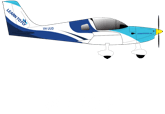


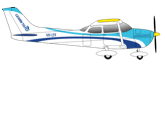
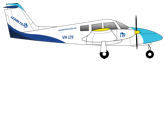

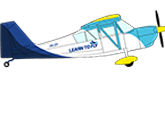

The Cessna 172 is one of the most recognised training and touring aircraft in Australia, trusted by flight schools, private owners, and aviation professionals alike. From my experience working with student pilots across Victoria and interstate, it’s often the first aircraft Australians research when considering flight training or ownership.
What Is a Cessna 172?
The Cessna 172 is a four-seat, single-engine, high-wing aircraft widely used for pilot training and private flying. Known for its stability, reliability, and forgiving handling, it’s the most produced aircraft in history and remains a standard training platform in Australia and worldwide.
Table of Contents
- Why the Cessna 172 Is Popular in Australia
- Cessna 172 Specifications and Variants
- How the Cessna 172 Performs in Australian Conditions
- Cessna 172 for Flight Training in Australia
- CASA Licensing Pathways Using a Cessna 172
- Cessna 172 Operating Costs in Australia
- Buying a Cessna 172 in Australia
- Cessna 172 vs Other Training Aircraft (Comparison Table)
- Step-by-Step Checklist: Starting Training in a Cessna 172
- Maintenance, Safety, and Regulatory Considerations
- People Also Ask About the Cessna 172
- Expert Q&A: Advanced Questions About the Cessna 172
- Conclusion
Why the Cessna 172 Is Popular in Australia
The Cessna 172 has earned its reputation globally, but it fits Australian aviation particularly well.
According to the Civil Aviation Safety Authority (CASA), Australia’s aviation framework supports structured flight training pathways that often begin in light, stable aircraft. The Cessna 172’s forgiving flight characteristics align perfectly with CASA’s structured Recreational Pilot Licence (RPL), Private Pilot Licence (PPL), and Commercial Pilot Licence (CPL) progression.
Key reasons for its popularity in Australia:
- Excellent stability in varied weather conditions
- High-wing design improves visibility and ground clearance
- Proven Lycoming engine reliability
- Strong resale market across Australian states
- Widely supported maintenance network
Additionally, its high wing is practical for Australian regional aerodromes, where grass strips, heat, and crosswinds are common.
Cessna 172 Specifications and Variants
The Cessna 172 has evolved significantly since its first flight in 1955. According to Cessna Textron Aviation, the modern 172 Skyhawk remains in production today.
Common Specifications (Cessna 172S Skyhawk)
- Engine: Lycoming IO-360-L2A (180 hp)
- Cruise Speed: ~122 knots (226 km/h)
- Range: ~640 nautical miles (varies with load and wind)
- Service Ceiling: 14,000 feet
- Max Take-off Weight: 1,157 kg (2,550 lbs)
- Fuel Capacity: 56 gallons (approx. 212 litres)
Older Australian models (172N, 172P, 172R) may differ slightly in horsepower and avionics.
Avionics
Modern aircraft often include Garmin G1000 glass cockpit systems, while older models retain analogue “six-pack” instruments. From my experience, learning on analogue instruments builds strong foundational scan skills before transitioning to glass.
How the Cessna 172 Performs in Australian Conditions
Australia presents unique flying challenges:
- High summer temperatures
- Coastal humidity
- Remote inland aerodromes
- Strong crosswinds
The Cessna 172 performs reliably in warm climates; however, density altitude becomes important in places like Mildura or Alice Springs during summer.
According to the Australian Government Bureau of Meteorology, high temperatures reduce aircraft performance due to lower air density. In practical terms, this means:
- Longer take-off roll
- Reduced climb rate
- Lower engine efficiency
Because the 172 has predictable performance data and clear POH (Pilot Operating Handbook) charts, it’s ideal for teaching Australian students how to calculate density altitude safely.
Cessna 172 for Flight Training in Australia
The Cessna 172 is one of the most common aircraft used by Australian flight schools.
Why Flight Schools Prefer It
- Forgiving stall behaviour
- Strong spin recovery characteristics
- Durable airframe
- Economical compared to complex aircraft
If you’re considering starting flight training, reputable academies like Learn to Fly – Melbourne’s professional flight training academy operate modern training fleets and structured CASA-aligned programs.
From firsthand observation, students gain confidence quickly in a 172 because control inputs produce smooth, predictable responses. This reduces cognitive overload during early lessons.
CASA Licensing Pathways Using a Cessna 172
In Australia, the Cessna 172 is commonly used for:
- RPL (Recreational Pilot Licence)
- PPL (Private Pilot Licence)
- CPL (Commercial Pilot Licence) (limited training)
- Night VFR
- Instrument Rating (limited training)
Administrative Notes (Not Legal Advice)
Students must:
- Obtain an Aviation Reference Number (ARN)
- Complete CASA medical certification
- Pass theory examinations
- Log required flight hours
These are administrative processes reviewed by licensed instructors or aviation medical examiners.
Cessna 172 Operating Costs in Australia
Operating costs vary by state and fuel price.
Typical Wet Hire Rate (Estimate 2026)
- $400–$500 AUD per hour (wet hire, including fuel)
- Instructor: $90–$120 AUD per hour
Private Ownership Costs (Annual Estimate)
- Fuel: Variable (based on flying hours)
- Maintenance: $15,000–$25,000 AUD
- Insurance: $4,000–$8,000 AUD
- Hangarage: $6,000–$15,000 AUD
Costs vary significantly by usage and location.
Buying a Cessna 172 in Australia
The Cessna 172 resale market in Australia is active.
Typical Purchase Price Range
- Older models (1970s–1980s): $120,000–$220,000 AUD
- New Cessna 172S: Significantly higher (often $600,000+ AUD landed, depending on configuration and exchange rates)
What to Check Before Buying
- Engine hours (since overhaul)
- Airframe hours
- Maintenance history
- ADS-B compliance (mandatory in controlled airspace)
- Corrosion inspection
Pre-purchase inspections should always be conducted by a licensed Aircraft Maintenance Engineer (LAME).
Cessna 172 vs Other Training Aircraft
| Feature | Cessna 172 | Piper Warrior | Diamond DA40 |
|---|---|---|---|
| Engine Power | 180 hp | 160–180 hp | 180 hp |
| Wing Position | High-wing | Low-wing | Low-wing |
| Visibility | Excellent downward | Good | Excellent forward |
| Landing Forgiveness | Very forgiving | Moderate | Moderate |
| Typical Training Use | Very common in Australia | Common | Growing popularity |
The high-wing design of the Cessna 172 offers better ground visibility and shade an advantage in hot Australian summers.
Step-by-Step Checklist: Starting Training in a Cessna 172
- Research CASA licence pathways
- Obtain Aviation Reference Number (ARN)
- Complete Class 2 or Class 1 medical
- Choose an Australian flight school
- Begin theory study
- Schedule Trial Introductory Flight
- Start structured flight lessons
- Log hours towards RPL or PPL
This structured approach reduces confusion and ensures compliance with CASA regulations.
People Also Ask About the Cessna 172
Is the Cessna 172 safe?
Yes. The Cessna 172 has a strong global safety record when maintained and operated correctly. Its stable flight characteristics make it ideal for training environments.
How much fuel does a Cessna 172 use per hour?
A typical Cessna 172 burns around 8–10 US gallons per hour (30–38 litres), depending on power settings and altitude.
Can a Cessna 172 fly long distances in Australia?
Yes. With a range of approximately 640 nautical miles, it can comfortably manage interstate flights with proper planning and fuel stops.
Is the Cessna 172 good for beginners?
Absolutely. Its predictable handling and forgiving stall behaviour make it one of the best beginner aircraft worldwide.
Maintenance, Safety, and Regulatory Considerations
The Cessna 172 operates under strict CASA maintenance schedules in Australia.
Key Requirements
- 100-hour inspections (for training aircraft)
- Annual inspection
- Airworthiness Directives compliance
- ADS-B Out compliance (controlled airspace)
According to CASA, maintaining airworthiness is the operator’s responsibility. Maintenance must be performed by licensed engineers.
Expert Q&A: Advanced Questions About the Cessna 172
1. How does density altitude affect a Cessna 172 in Australia?
High temperatures and elevation increase density altitude, reducing engine power and climb performance. In summer, inland aerodromes may require performance calculations to ensure safe take-off margins.
2. Can a Cessna 172 be used for instrument training in Australia?
Yes. Many schools use IFR-equipped 172S models with Garmin G1000 systems for Instrument Rating training under CASA Part 61 regulations.
3. What is the engine TBO for a Cessna 172?
Most Lycoming IO-360 engines have a Time Between Overhaul (TBO) of approximately 2,000 hours, though actual overhaul timing depends on condition and usage.
4. Is syndicate ownership common in Australia?
Yes. Group ownership reduces operating costs significantly and is common at regional aeroclubs.
5. How does the Cessna 172 compare in resale stability?
Historically, the Cessna 172 maintains strong resale demand due to global popularity, training use, and parts availability.
Conclusion: Is the Cessna 172 Right for You?
The Cessna 172 remains the backbone of Australian flight training and private aviation for good reason. It’s stable, reliable, and widely supported across Australia’s aerodromes.
If you’re serious about beginning your aviation journey, the best next step is structured, professional instruction. Explore your training options with Melbourne’s trusted flight training specialists at Learn to Fly and take the first step toward earning your wings.
Flying isn’t just about aircraft specifications it’s about skill, discipline, and confidence built lesson by lesson in an aircraft designed to teach safely and effectively.