Table of Contents
- Introduction: Why So Many People Want to Fly Melbourne
- What “Fly Melbourne” Means
- Why Melbourne Is One of Australia’s Best Places to Learn to Fly
- Understanding the Pilot Training Pathway in Australia
- Types of Pilot Licences When You Fly Melbourne
- Where Flight Training Happens in Melbourne
- Step-by-Step Checklist to Start Your Flying Journey
- Typical Costs and Timeframes for Learning to Fly
- Comparing Recreational vs Commercial Flying Pathways
- Safety, Weather, and Training Standards in Australia
- People Also Ask About Fly Melbourne
- Expert Q&A: Advanced Questions About Fly Melbourne
- Conclusion: Your Next Step to Fly Melbourne
Introduction: Why So Many People Want to Fly Melbourne
Every year, thousands of Australians search online for ways to fly Melbourne, whether they dream of becoming airline pilots or simply want the experience of flying an aircraft themselves. Melbourne is one of Australia’s major aviation hubs, home to busy training airports, experienced instructors, and modern flight schools.
From my experience speaking with aviation students and instructors, many people begin their research with simple searches like “fly Melbourne” or “learn to fly in Melbourne.” What they quickly discover is that Melbourne offers one of the most structured and accessible pilot training environments in Australia.
Flight training here is governed by strict safety standards set by the Civil Aviation Safety Authority (CASA), the national regulator responsible for aviation safety and pilot licensing. According to the Australian aviation regulator, most aspiring pilots progress through multiple licences from beginner recreational training to advanced commercial qualifications. (Civil Aviation Safety Authority)
Melbourne’s aviation ecosystem includes training airports like Moorabbin, one of Australia’s busiest general aviation hubs. This environment allows students to gain real-world flying experience early in their training.
If you’re exploring how to fly Melbourne, this guide explains everything you need to know from pilot licences and training steps to costs, safety standards, and how to start your first flight lesson.
What “Fly Melbourne” Means
Fly Melbourne refers to learning or training to pilot an aircraft in Melbourne, Australia. It typically involves enrolling in a flight training program at a certified aviation school, completing theory and practical flight lessons, and progressing through licences such as the Recreational Pilot Licence (RPL), Private Pilot Licence (PPL), or Commercial Pilot Licence (CPL).
Why Melbourne Is One of Australia’s Best Places to Learn to Fly
Melbourne has long been recognised as one of the most suitable cities in Australia for flight training.
Several factors contribute to this reputation.
1. Busy Training Airports
Moorabbin Airport is widely known as one of Australia’s busiest aviation training airports. This provides students with exposure to realistic air traffic environments, communication with air traffic control, and diverse flight scenarios.
2. Structured Aviation Education
Flight schools in Melbourne often combine classroom theory, simulator training, and real aircraft instruction. This integrated approach helps students develop both technical knowledge and practical flying skills.
3. Modern Aircraft and Simulators
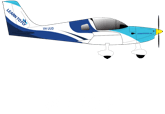
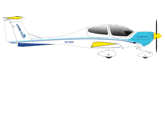
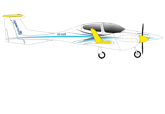
Many flight schools operate modern aircraft such as Diamond training planes and advanced simulators that replicate real flight conditions.
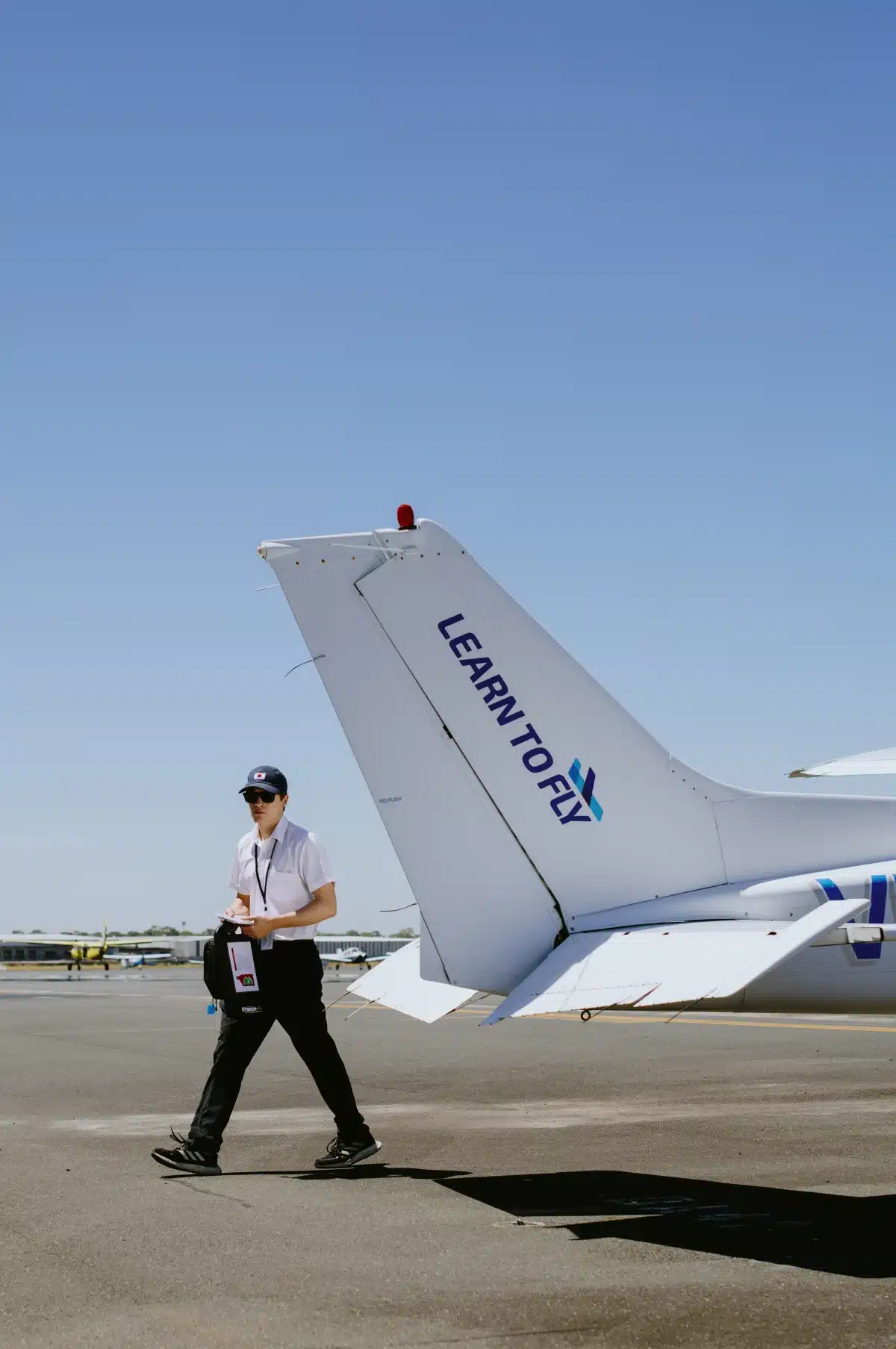
For example, the Melbourne-based aviation school Learn To Fly operates modern Diamond aircraft and advanced training technology as part of its flight training programs. (Learn To Fly Melbourne)
If you’re exploring your first step into aviation, you can explore professional training pathways at Learn To Fly’s Melbourne flight training programs, which offer courses ranging from beginner trial flights to commercial pilot training.
4. Strong Aviation Career Pathways
Australia’s aviation industry continues to grow, and Melbourne’s training ecosystem connects students with airlines, universities, and aviation partners.
According to aviation education programs such as those offered by Australian universities, becoming a professional pilot requires CASA-approved training and licences recognised nationally and internationally. (RMIT University)
Understanding the Pilot Training Pathway in Australia
To fly Melbourne professionally or recreationally, students follow a structured pathway set by CASA.
The typical progression looks like this:
- Introductory flight experience
- Recreational Pilot Licence (RPL)
- Private Pilot Licence (PPL)
- Commercial Pilot Licence (CPL)
- Advanced ratings (instrument, instructor, etc.)
Each stage builds on previous knowledge and flight hours.
According to CASA, aspiring pilots must meet several requirements, including:
- Minimum age requirements
- Medical fitness
- English proficiency
- Flight training hours and examinations (Civil Aviation Safety Authority)
Types of Pilot Licences When You Fly Melbourne
When researching how to fly Melbourne, one of the first things you’ll encounter is different licence types.
Each licence serves a different purpose.
| Licence | Purpose | Minimum Training |
| Recreational Pilot Licence (RPL) | Fly small aircraft for leisure within limited distances | 25+ hours flight training |
| Private Pilot Licence (PPL) | Fly aircraft privately with passengers | 55+ hours flight training |
| Commercial Pilot Licence (CPL) | Fly professionally and get paid as a pilot | 150+ hours flight training |
| Instrument Rating | Fly using instruments in low visibility | Advanced training |
The Recreational Pilot Licence is typically the starting point. It allows students to fly light aircraft and build fundamental flying skills before progressing to higher licences.
Where Flight Training Happens in Melbourne
Several airports support flight training in the Melbourne area.
The most prominent include:
Moorabbin Airport
Often considered the centre of pilot training in Victoria, Moorabbin Airport is designed for general aviation training. Students practise circuits, navigation flights, and controlled airspace operations here.
Essendon Fields
Another training airport closer to Melbourne’s CBD, used by some aviation academies and charter operators.
Regional Training Areas
Students often fly to regional airports for navigation exercises, giving them experience with real-world airspace and cross-country flying.
Training organisations operating in Melbourne typically hold CASA approvals to conduct structured pilot training programs.
Step-by-Step Checklist to Start Your Flying Journey
If your goal is to fly Melbourne, the process can feel overwhelming at first. However, breaking it into clear steps helps.
Beginner’s Checklist
- Take a Trial Introductory Flight
Experience flying with an instructor. - Choose a Certified Flight School
Ensure it follows CASA training standards. - Complete Aviation Medical Requirements
Required before solo flight. - Start Ground School Theory
Learn aerodynamics, navigation, and aviation rules. - Begin Practical Flight Training
Train with instructors in real aircraft. - Fly Your First Solo
A major milestone for every student pilot. - Pass Theory and Flight Tests
Required to obtain licences.
From my observation of pilot students, the first solo flight is often the moment when aviation shifts from a dream into a real career path.
Typical Costs and Timeframes for Learning to Fly
The cost to fly Melbourne depends on the licence level and training intensity.
Below are typical estimates based on Australian training structures.
| Training Level | Estimated Cost | Typical Time |
| Introductory Flight | $200–$500 | 1 – 2 hours |
| Recreational Pilot Licence | $18,000–$25,000 | 2 – 6 months |
| Private Pilot Licence | $36,000–$50,000 | 6 – 12 months |
| Commercial Pilot Licence | $85,000–$100,000+ | 14 – 24 months |
These figures are approximate and vary depending on flight hours, aircraft type, and training pace.
Safety, Weather, and Training Standards in Australia
Safety is central to aviation training in Australia.
The Civil Aviation Safety Authority regulates:
- Flight training organisations
- Pilot licences
- Aircraft safety
- Instructor qualifications (Learn To Fly Melbourne)
Students must meet strict safety requirements, including medical fitness, training hours, and examination standards.
Melbourne weather can also play an important role in training.
Although variable weather may delay flights occasionally, it also helps pilots develop decision-making skills and adaptability.
People Also Ask About Fly Melbourne
How much does it cost to fly in Melbourne?
Costs vary depending on the licence level. Introductory flights may cost a few hundred dollars, while full commercial pilot training programs can exceed $100,000 due to aircraft time, instructors, and theory training.
How long does it take to learn to fly in Melbourne?
Recreational licences may take several months, while commercial pilot training can take 18–36 months depending on the training schedule and weather conditions.
Can beginners fly a plane in Melbourne?
Yes. Many flight schools offer introductory flights where beginners can take the controls under instructor supervision.
What age can you start flight training in Australia?
Students can begin training earlier, but must be at least 15 years old to fly solo and 16 to obtain the first pilot licence. (Civil Aviation Safety Authority)
Do you need a degree to become a pilot in Australia?
No. While some universities offer aviation degrees, pilot licences issued by CASA are the primary requirement to become a professional pilot.
Expert Q&A: Advanced Questions About Fly Melbourne
1. Is Melbourne a good place for professional pilot training?
Yes. Melbourne offers busy training airports, experienced instructors, and strong aviation infrastructure, making it one of Australia’s most practical locations for flight training.
2. What aircraft are typically used in Melbourne flight schools?
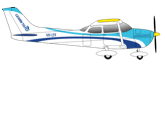
Most training schools use light aircraft such as Diamond DA40 or similar training planes designed for student pilots.
3. Can international students learn to fly in Melbourne?
Yes, but they must meet visa, English language, and aviation medical requirements before beginning flight training.
4. How many flight hours are required to become a commercial pilot?
Requirements vary, but commercial pilot licences usually require at least 150–200 hours of flight time combined with theory exams and flight tests.
5. What careers are possible after learning to fly?
Pilots can work in multiple aviation roles, including airline pilots, charter pilots, flight instructors, aerial survey pilots, and emergency service aviation.
Conclusion: Your Next Step to Fly Melbourne
Learning to fly Melbourne is more than just a bucket-list experience it’s the first step into one of the most exciting careers in aviation. With structured training pathways, modern aircraft, and some of Australia’s busiest training airports, Melbourne provides an ideal environment for aspiring pilots.
Whether you want to experience your first flight, earn a recreational licence, or pursue a full commercial pilot career, the journey begins with the right training organisation and guidance.
If you’re ready to take the first step, explore professional aviation training options through Learn To Fly’s Melbourne flight training programs and discover how your pilot journey can begin in one of Australia’s leading aviation training hubs.
Your dream to fly Melbourne may be closer than you think.