

Table of Contents
- Introduction
- How to Become a Pilot in Australia
- Why Choose a Pilot Career in Australia
- Basic Requirements to Become a Pilot in Australia
- Step-by-Step Process: How to Become a Pilot in Australia
- Pilot Licence Types in Australia Explained
- Estimated Training Costs in Australia
- Training Pathways Comparison Table
- How Long It Takes to Become a Pilot in Australia
- Choosing the Right Flight School
- Career Opportunities for Pilots in Australia
- People Also Ask (PAA)
- Expert Q&A Section
- Conclusion
Introduction
If you’ve ever looked up at an aircraft crossing the sky and wondered how to sit in the cockpit, you’re not alone. Many Australians search how to become a pilot in Australia because aviation offers one of the most exciting and respected careers in the world. From flying commercial jets to charter aircraft or instructing new pilots, the aviation industry provides diverse career opportunities.
Australia is particularly well known for high-quality aviation training. With its favourable weather conditions, strong aviation infrastructure, and strict safety regulations, it’s an ideal place to learn to fly. According to the Civil Aviation Safety Authority (CASA), Australia maintains one of the most robust aviation regulatory systems globally, ensuring high training standards for pilots.
From my experience researching flight training programs and speaking with trainee pilots, the journey can seem complex at first. However, once you understand the licensing steps, training pathways, and costs involved, the process becomes much clearer.
In this guide, you’ll learn the exact steps, licences, costs, and timeline involved in how to become a pilot in Australia so you can plan your aviation career confidently.
How to Become a Pilot in Australia
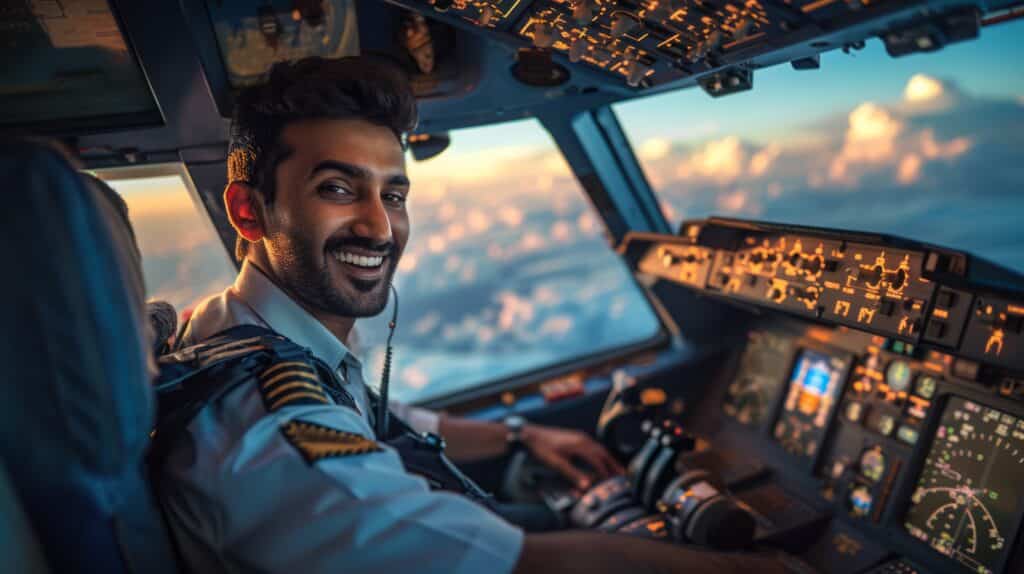
To become a pilot in Australia, you must meet basic eligibility requirements, obtain a medical certificate, complete flight training at a CASA-approved school, and earn licences such as a Private Pilot Licence (PPL) or Commercial Pilot Licence (CPL). Most aspiring airline pilots then accumulate flight hours and obtain additional ratings.
Why Choose a Pilot Career in Australia
Australia has a long aviation tradition. The country’s vast geography means air travel is essential, creating continuous demand for skilled pilots.
Several factors make Australia ideal for pilot training:
1. Excellent Flying Conditions
Australia offers consistent weather conditions in many regions, allowing student pilots to log flight hours regularly.
2. Internationally Recognised Licences
Pilot licences issued under CASA regulations are respected worldwide and align with International Civil Aviation Organization (ICAO) standards.
You can review official licensing guidance from the
Australian Civil Aviation Safety Authority.
3. Growing Aviation Industry
Australia’s aviation sector continues to expand with airlines, charter services, and cargo operations requiring skilled pilots.
According to aviation workforce reports from
Australia’s Department of Infrastructure, the industry regularly forecasts pilot demand due to retirements and increasing air travel.
Basic Requirements to Become a Pilot in Australia
Before beginning flight training, you must meet several basic requirements.
Age Requirements
- Student pilot licence: minimum 16 years old
- Private Pilot Licence: minimum 17 years old
- Commercial Pilot Licence: minimum 18 years old
English Language Proficiency
Pilots must demonstrate adequate English proficiency because aviation communication is conducted internationally in English.
Medical Certification
You must pass a CASA aviation medical examination conducted by a designated aviation medical examiner.
Two main medical classes exist:
| Medical Class | Who Needs It | Purpose |
|---|---|---|
| Class 1 | Commercial pilots | Required for CPL and airline careers |
| Class 2 | Private pilots | Required for recreational flying |
Educational Background
While there is no strict university requirement, strong knowledge in mathematics, physics, and English helps during training.
Step-by-Step Process: How to Become a Pilot in Australia
Understanding the exact pathway is essential when researching how to become a pilot in Australia. The process typically follows several stages.
Step 1: Obtain a CASA Aviation Medical Certificate
Before investing in flight training, you should confirm that you meet aviation medical requirements.
This examination checks:
- Vision and hearing
- Cardiovascular health
- Neurological health
- General physical fitness
Without a valid medical certificate, you cannot hold certain pilot licences.
Step 2: Enrol in a Flight Training School
The next step is choosing a CASA-approved flight training organisation.
A quality aviation academy will provide:
- Structured pilot training programs
- Modern aircraft fleets
- Experienced flight instructors
- Access to simulators
For example, many aspiring pilots begin training through professional aviation academies like
Learn to Fly Australia’s pilot training programs, which offer structured pathways from beginner training through advanced commercial qualifications.
Step 3: Start with a Recreational or Student Pilot Licence
Many students begin with introductory training.
Options include:
- Recreational Pilot Licence (RPL)
- Private Pilot Licence (PPL)
These licences allow beginners to learn core flying skills under supervision.
Training typically includes:
- Aircraft control
- Navigation basics
- Aviation safety procedures
- Radio communication
Step 4: Earn a Private Pilot Licence (PPL)
The Private Pilot Licence allows you to fly independently but not for commercial pay.
Typical requirements include:
- Around 55–85 flight hours
- Written knowledge examinations
- Flight test with an examiner
With a PPL, pilots can fly recreationally and transport passengers.
Step 5: Obtain a Commercial Pilot Licence (CPL)
If your goal is a professional aviation career, the Commercial Pilot Licence is essential.
CPL requirements generally include:
- Minimum 150–200 total flight hours
- Advanced aviation theory exams
- Navigation and flight planning
- Commercial flight test
This licence allows pilots to work for charter companies, flight schools, and other aviation businesses.
Step 6: Build Flight Hours
Airlines usually require 500–1500 flight hours depending on the role.
Pilots typically build experience by working as:
- Flight instructors
- Charter pilots
- Aerial survey pilots
- Regional airline pilots
Step 7: Obtain Additional Ratings
Professional pilots often complete additional qualifications such as:
- Multi-engine rating
- Instrument rating
- Airline Transport Pilot Licence (ATPL)
These ratings allow pilots to fly larger aircraft and operate under complex conditions.
Pilot Licence Types in Australia Explained
Understanding the licences is crucial when researching how to become a pilot in Australia.
| Licence | Purpose | Minimum Hours |
|---|---|---|
| RPL | Recreational flying | ~25 hours |
| PPL | Private flying | ~55 hours |
| CPL | Professional flying | ~150–200 hours |
| ATPL | Airline captain level | 1500+ hours |
Each licence builds on previous training.
Estimated Training Costs in Australia
Flight training is a major investment. Costs vary depending on aircraft, training pace, and school.
| Licence | Estimated Cost (AUD) |
|---|---|
| RPL | $16,000 – $24,000 |
| PPL | $36,000 – $50,000 |
| CPL | $90,000 – $115,000 |
These figures are estimates and may vary by training provider.
Training Pathways Comparison
| Pathway | Description | Best For |
|---|---|---|
| Modular Training | Complete licences step-by-step | Flexible schedules |
| Integrated Program | Structured full-time training | Faster career path |
| University Aviation Degree | Academic + flight training | Students seeking degrees |
How Long It Takes to Become a Pilot in Australia
The timeline depends on training intensity.
Typical durations:
- Recreational licence: 2–3 months
- Private licence: 4–8 months
- Commercial licence: 12–24 months
Full-time training programs can shorten the process significantly.
Choosing the Right Flight School
Selecting a flight school is one of the most important decisions.
Look for:
- CASA approval
- Modern training aircraft
- Experienced instructors
- Safety record
- Career placement support
Visiting the training facility and speaking with instructors can help you evaluate the program.
Career Opportunities for Pilots in Australia
After completing training, pilots can pursue various aviation careers.
Airline Pilot
Flying passenger aircraft for domestic or international airlines.
Charter Pilot
Operating flights for tourism, private travel, and business transport.
Flight Instructor
Teaching student pilots and building valuable flight hours.
Cargo Pilot
Transporting freight across Australia and internationally.
Aerial Operations
Includes survey work, firefighting, agriculture, and rescue missions.
The aviation industry offers long-term career growth, particularly for pilots who continue advancing their ratings and experience.
People Also Ask
How long does it take to become a pilot in Australia?
Most pilots complete commercial training within 12–24 months depending on training intensity. Full-time aviation academies can accelerate the process, while part-time training may take longer.
How much does it cost to become a pilot in Australia?
Training costs typically range from $90,000 to $150,000 AUD depending on the licence level and program structure. Integrated airline-pathway programs are usually more expensive but faster.
Do you need a university degree to become a pilot in Australia?
No, a degree is not required. However, aviation degrees can combine academic study with flight training and may improve career opportunities.
What medical tests are required for pilots in Australia?
Pilots must pass a CASA aviation medical examination. Commercial pilots require a Class 1 medical certificate confirming they meet strict health standards.
Can international students become pilots in Australia?
Yes. Many Australian flight schools accept international students, though visa requirements and licensing recognition should be reviewed before enrolling.
Q&A Section: Expert Questions About Becoming a Pilot in Australia
What subjects should I study in school to become a pilot?
Mathematics, physics, and English are particularly helpful. These subjects build the analytical and communication skills required for navigation, aircraft systems, and aviation communication.
Is becoming a pilot in Australia competitive?
Yes, airline roles can be competitive. However, gaining strong training, building flight hours, and developing professional experience significantly improve job prospects.
Can pilots train while working another job?
Yes. Many flight schools offer flexible modular training schedules that allow students to train part-time while maintaining employment.
What is the difference between CPL and ATPL?
A Commercial Pilot Licence (CPL) allows pilots to be paid for flying, while an Airline Transport Pilot Licence (ATPL) is the highest licence level required to command large airline aircraft.
Are scholarships available for pilot training in Australia?
Some aviation schools, government programs, and airline cadet schemes offer financial assistance. Availability varies each year, so students should research current opportunities.
Conclusion
Learning how to become a pilot in Australia may seem complex at first, but the process follows a clear progression: meet eligibility requirements, complete flight training, obtain pilot licences, and build flight experience.
Australia’s strong aviation infrastructure, respected training standards, and growing aviation industry make it one of the best places in the world to begin a flying career.
If you’re serious about becoming a professional pilot, the best next step is to explore structured training pathways and speak directly with experienced instructors.Start your aviation journey by exploring professional pilot training opportunities at
Learn to Fly Australia and take the first step toward a rewarding career in the skies.