

Pilot training is the structured process of learning to operate an aircraft safely and legally, and in Australia it follows strict national standards set by the Civil Aviation Safety Authority (CASA). If you’re searching for pilot training options, costs, and career pathways in Australia, this guide explains what to expect, step by step.
From my experience working with aspiring aviators and flight schools across Victoria and beyond, most students don’t struggle with flying itself they struggle with understanding the pathway. Therefore, this guide breaks down the “what”, the “why”, and the practical realities of pilot training in Australia, using verified sources and real-world context.
What Is Pilot Training?
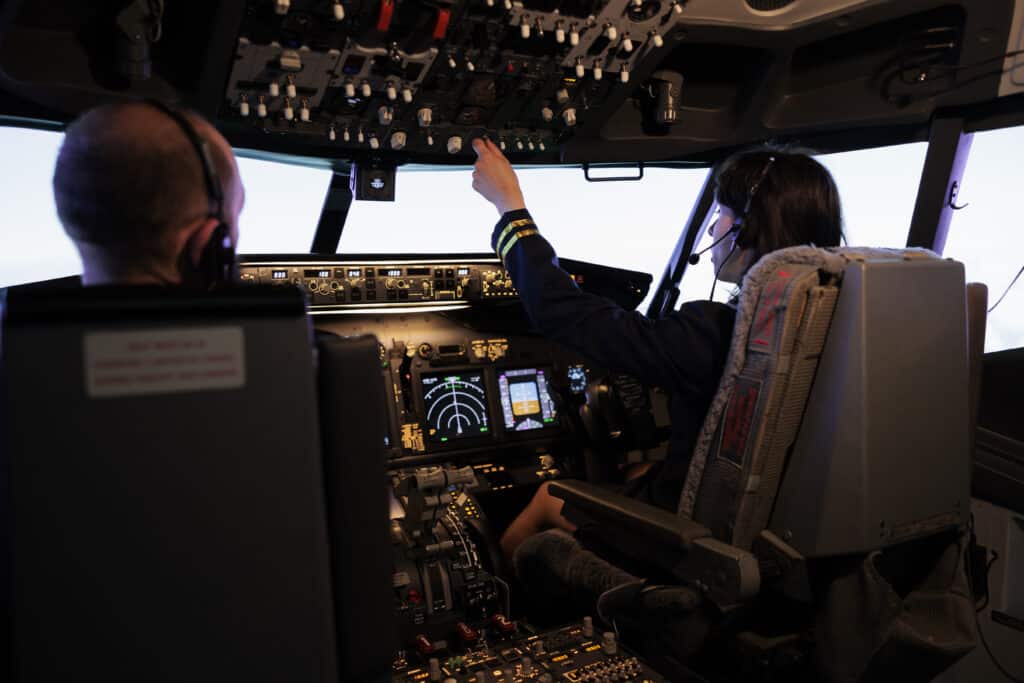
Pilot training is the structured education and flight instruction required to become a licensed pilot. In Australia, it includes theory study, practical flight hours, medical certification, and flight tests under CASA regulations. Training pathways range from a Recreational Pilot Licence (RPL) to a Commercial Pilot Licence (CPL) and Airline Transport Pilot Licence (ATPL).
Table of Contents
- How Pilot Training Works in Australia
- CASA Regulations and Licensing Pathways
- Types of Pilot Training Licences Explained
- Pilot Training Costs in Australia
- Entry Requirements for Pilot Training
- Step-by-Step Pilot Training Checklist
- Theory, Flight Hours and Assessments
- Onshore vs Regional Pilot Training Comparison
- Career Pathways After Pilot Training
- Choosing the Right Flight School in Australia
- People Also Ask About Pilot Training
- Expert Q&A: Advanced Pilot Training Questions
- Conclusion: Your Next Step Toward the Flight Deck
How Pilot Training Works in Australia
Pilot training in Australia is regulated by the Civil Aviation Safety Authority (CASA), the national aviation authority. CASA sets standards for:
- Licensing
- Medical certification
- Flight training syllabuses
- Instructor qualifications
- Testing and assessment
Because aviation safety is critical, training is competency-based. That means students must demonstrate skill and knowledge proficiency not just log hours.
According to CASA’s official guidance, all flight crew licences require theoretical knowledge examinations and practical flight tests conducted by authorised examiners. This ensures consistency across Australia.
In practice, students enrol in a CASA-approved flight school, complete theory modules, accumulate flight hours, and sit both written and flight tests.
CASA Regulations and Pilot Training Pathways
Before starting pilot training, you must understand the Australian licence structure. Each licence level allows different operational privileges.
The framework is set out under CASA Part 61 licensing regulations. These rules define experience requirements, medical standards, and aircraft category ratings.
You can review the broader aviation regulatory structure via the Australian Government Federal Register of Legislation.
Importantly, these regulations are administrative requirements. Students should always confirm details directly with their flight school or a CASA-approved training organisation.
Types of Pilot Training Licences Explained
1. Recreational Pilot Licence (RPL)
- Minimum 25 flight hours (CASA requirement)
- Day VFR only (Visual Flight Rules)
- Limited passenger and distance privileges
The RPL suits hobby pilots. However, it is not designed for airline careers.
2. Private Pilot Licence (PPL)
- Minimum 40 flight hours
- Can carry passengers
- Allows cross-country flying
The PPL is often the first major milestone in pilot training.
3. Commercial Pilot Licence (CPL)
- Minimum 150–200 flight hours (depending on integrated vs non-integrated pathway)
- Allows you to be paid as a pilot
Most career-focused students aim for CPL.
4. Airline Transport Pilot Licence (ATPL)
- Required to act as Captain in airline operations
- Requires extensive flight hours (typically 1,500 total time)
- Advanced theory exams
According to the International Civil Aviation Organization (ICAO), ATPL represents the highest standard of pilot certification globally.
Pilot Training Costs in Australia
One of the most searched questions about pilot training is cost. While prices vary between schools and aircraft types, approximate 2026 estimates are:
| Licence | Estimated Cost (AUD) | Notes |
|---|---|---|
| RPL | $12,000–$18,000 | Basic entry level |
| PPL | $20,000–$30,000 | Includes cross-country |
| CPL | $65,000–$90,000 | Career-level training |
| Integrated CPL Program | $85,000–$120,000 | Structured full-time |
These figures are estimates and vary depending on:
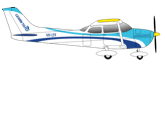
- Aircraft type (e.g., Cessna 172 vs Diamond DA40)
- Fuel costs
- Instructor rates
- Weather delays
- Student progression speed
From my experience, students should budget an additional 10–15% contingency to account for revision flights and exam resits.
Entry Requirements for Pilot Training in Australia
Before starting pilot training, students must:
- Be at least 16 (RPL) or 17 (PPL)
- Hold an Aviation Reference Number (ARN) from CASA
- Pass a CASA aviation medical examination
- Demonstrate English language proficiency
Medical certification is mandatory. Class 1 medical is required for CPL. Class 2 is sufficient for PPL.
Medical standards ensure pilots meet vision, hearing, cardiovascular, and neurological requirements. These are safety-based administrative assessments.
Step-by-Step Pilot Training Checklist
Here’s a simplified onboarding checklist:
- Research CASA-approved flight schools.
- Apply for an Aviation Reference Number (ARN).
- Book a CASA medical exam.
- Complete a Trial Introductory Flight.
- Enrol in theory coursework.
- Begin dual flight instruction.
- Progress to first solo flight.
- Complete cross-country navigation training.
- Sit CASA theory exams.
- Undertake final flight test.
This checklist helps students avoid common delays.
Theory, Flight Hours and Assessments
Pilot training is split into two parallel tracks:
1. Theory Knowledge
Subjects include:
- Aerodynamics
- Meteorology
- Navigation
- Air law
- Human factors
- Aircraft systems
Theory exams are computer-based and conducted through CASA-authorised providers.
2. Practical Flight Training
Flight training includes:
- Aircraft handling
- Circuit procedures
- Emergency management
- Navigation flights
- Instrument appreciation
From my observation, students often underestimate the workload of meteorology and navigation. Consistent weekly study improves success rates significantly.
Onshore Metro vs Regional Pilot Training in Australia
Choosing location impacts experience and cost.
| Factor | Metro (e.g., Melbourne) | Regional |
|---|---|---|
| Airspace Complexity | High | Moderate |
| Radio Work | Intensive | Moderate |
| Weather Variety | Diverse | Often stable |
| Training Delays | Possible congestion | Fewer aircraft |
| Exposure | Controlled airspace | Uncontrolled + CTAF |
For example, training in controlled airspace builds strong radio confidence early. However, regional airports may offer more consistent scheduling.
Career Pathways After Pilot Training
Once CPL is achieved, common entry roles include:
- Flight Instructor
- Charter pilot
- Aerial survey
- Regional airline First Officer
Australia’s aviation industry has cyclical hiring patterns. According to the Australian Government’s Job Outlook data (labour market statistics), pilot employment demand fluctuates based on airline expansion and economic growth.
Building hours is critical. Most airline roles require:
- Multi-engine rating
- Instrument rating
- Night VFR rating
- Minimum flight experience benchmarks
Choosing the Right Pilot Training Organisation
When evaluating schools, consider:
- CASA approval status
- Aircraft fleet age and maintenance standards
- Instructor experience
- Safety record
- Student progression rates
- Structured syllabus clarity
If you are exploring structured and career-focused pilot training in Victoria, you can review detailed course pathways through this comprehensive Australian pilot training provider:
Explore professional pilot training programs in Australia
Always compare program outlines carefully before enrolling.
People Also Ask: Pilot Training in Australia
How long does pilot training take in Australia?
Full-time integrated CPL pilot training typically takes 12–18 months. Part-time training can take 2–4 years depending on availability and finances.
Is pilot training hard?
Pilot training is academically demanding but manageable with discipline. Students must balance theory study, flight practice, and revision. Strong time management makes a significant difference.
Do I need university for pilot training?
No university degree is required for CASA licensing. However, some airlines may prefer tertiary qualifications during recruitment.
What medical is required for pilot training?
A Class 2 medical is required for PPL. A Class 1 medical is mandatory for CPL and airline pathways.
Can international students do pilot training in Australia?
Yes, provided visa conditions allow study. Administrative immigration requirements should be reviewed with a registered migration agent.
Expert Q&A: Advanced Pilot Training Insights
1. What is the difference between integrated and non-integrated CPL pilot training?
Integrated pilot training is a structured, full-time program approved by CASA with reduced total hour requirements. Non-integrated training allows flexibility but may require more total flight time.
2. How important is aircraft type during pilot training?
Primary training aircraft (e.g., single-engine piston) matter less than training quality. However, modern glass cockpit exposure can ease transition to airline environments.
3. When should I start instrument rating during pilot training?
Most students begin instrument rating immediately after CPL. However, starting theory earlier can shorten total career progression time.
4. How do pilots build hours after CPL?
Common methods include instructing, charter operations, and aerial survey work. Each builds different operational competencies.
5. Is financing pilot training common in Australia?
Some schools offer staged payment options. External loans are possible but should be assessed carefully due to variable aviation income early in careers.
Conclusion: Starting Your Pilot Training Journey
Pilot training in Australia is structured, regulated, and achievable with preparation and commitment. While costs and workload are significant, the pathway is clearly defined by CASA standards and global aviation frameworks.
Most importantly, successful students treat pilot training like a professional investment from day one. They plan finances, schedule theory study early, and seek structured programs aligned with career goals.
If you’re ready to take the next step, review detailed Australian training pathways and speak with an approved flight training organisation to map your route to the cockpit.
Your aviation journey begins with informed decisions and consistent action.