




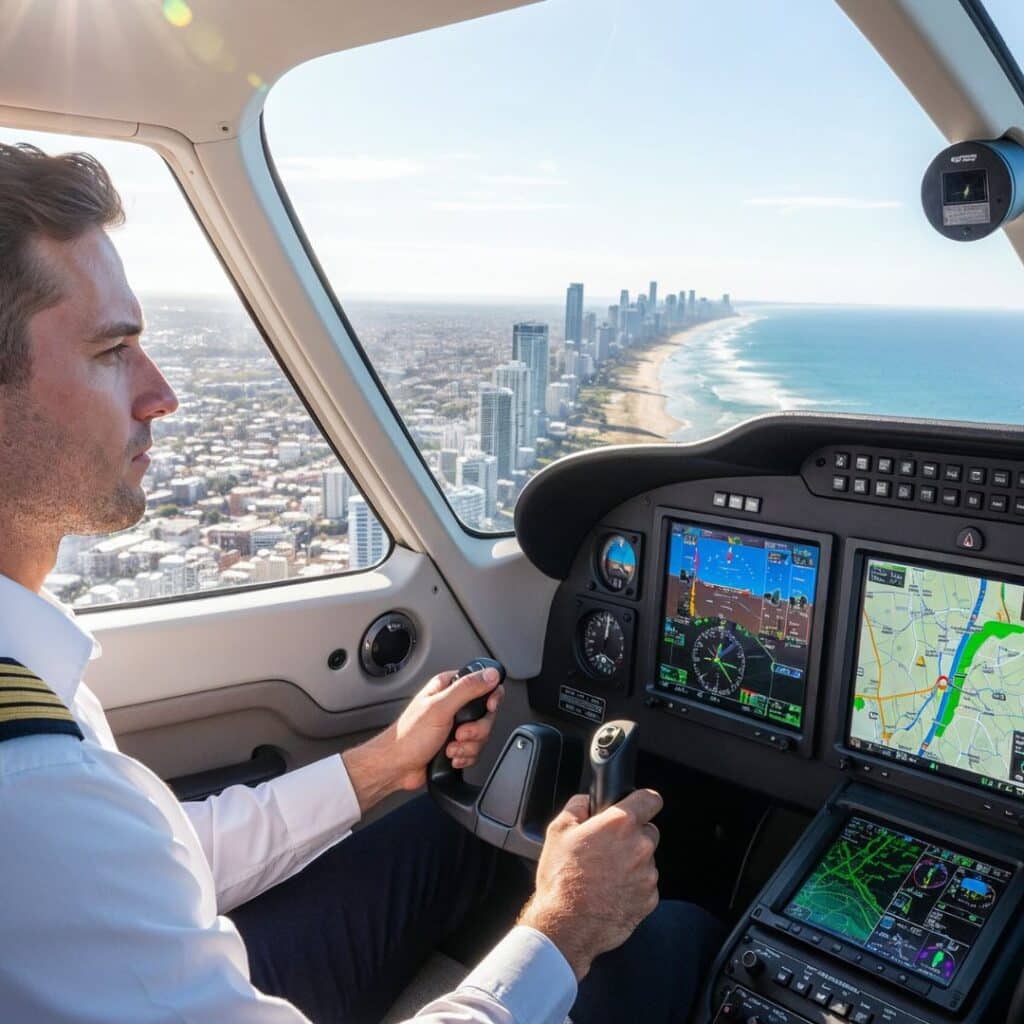
If you’re searching for a ppl in Australia, you’re likely dreaming about flying your own aircraft, exploring regional airstrips, or even building hours toward a commercial aviation career. A Private Pilot Licence (PPL) is one of the most recognised and respected aviation qualifications in the world, and in Australia it’s regulated under strict Civil Aviation Safety Authority (CASA) standards.
From my experience working alongside flight instructors and student pilots, the journey toward a PPL is both exciting and structured. However, understanding the process, cost, requirements, and long-term value makes all the difference. This guide explains everything clearly, using accurate Australian data and practical insight.
What Is a PPL?
A PPL (Private Pilot Licence) in Australia is a CASA-issued qualification that allows you to fly single-engine aircraft privately, carry passengers, and operate under Visual Flight Rules (VFR). It does not permit paid flying but provides greater privileges and flexibility than a Recreational Pilot Licence (RPL).
Table of Contents
- What Is a PPL in Australia?
- Why Get a PPL in Australia?
- CASA Requirements for a PPL
- PPL vs RPL vs CPL Comparison Table
- Step-by-Step Checklist to Earn Your PPL
- How Much Does a PPL Cost in Australia?
- How Long Does It Take to Complete a PPL?
- Medical Requirements for a PPL
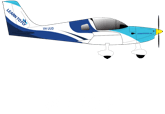
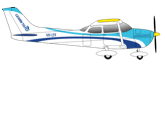
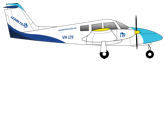
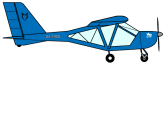
- What Aircraft Can You Fly With a PPL?
- People Also Ask About PPL in Australia
- Expert Q&A: Advanced Questions About PPL
- Conclusion: Your Next Step Toward a PPL
What Is a PPL in Australia?
A PPL in Australia is regulated by the Civil Aviation Safety Authority (CASA), the national aviation regulator responsible for flight safety standards. According to the Civil Aviation Safety Authority (CASA), a Private Pilot Licence allows you to:
- Fly single-engine aircraft
- Carry passengers
- Operate Australia-wide under VFR
- Build flight time toward advanced licences
Unlike a Recreational Pilot Licence (RPL), a PPL allows greater operational flexibility, including longer cross-country flights and access to more aircraft types.
Importantly, a PPL does not allow you to receive payment for flying. Commercial privileges require a CPL (Commercial Pilot Licence).
Why Get a PPL in Australia?
There are several reasons Australians pursue a PPL:
1. Personal Freedom
A PPL allows you to travel between regional airports without airline schedules. For example, many pilots fly from Melbourne to coastal Victorian destinations for weekend trips.
2. Career Progression
If you plan to become a commercial pilot, a PPL is typically the next step after an RPL and before a CPL.
3. Skill Development
The PPL requires more advanced navigation, aeronautical knowledge, and flight planning skills than entry-level licences.
Moreover, Australia’s aviation environment diverse weather systems, controlled airspace, and regional aerodromes provides robust training conditions.
CASA Requirements for a PPL
To obtain a PPL in Australia, you must meet CASA Part 61 requirements.
According to CASA regulations:
- Minimum age: 17 years
- English language proficiency required
- Minimum 40 flight hours (including:
- 10 hours solo
- 5 hours solo cross-country
- 5 hours instrument time)
- Pass the PPL theory exam
- Pass a flight test with a CASA-approved examiner
- Hold at least a Class 2 aviation medical
Full regulatory details are outlined under CASA Part 61 Flight Crew Licensing.
However, while 40 hours is the legal minimum, most students complete their PPL between 55–70 hours, depending on consistency and aptitude.
PPL vs RPL vs CPL in Australia
Understanding how a PPL compares is crucial.
| Feature | RPL | PPL | CPL |
|---|---|---|---|
| Carry passengers | Yes | Yes | Yes |
| Fly commercially | No | No | Yes |
| Cross-country privileges | Limited | Yes | Yes |
| Minimum hours | 25 | 40 | 150–200 |
| Medical requirement | Class 2 or Basic | Class 2 | Class 1 |
| Typical purpose | Recreational | Private flying | Career |
Therefore, a PPL sits in the middle: broader privileges than an RPL, but without commercial rights.
Step-by-Step Checklist to Earn Your PPL in Australia
Here’s a practical roadmap:
- Choose a CASA-approved flight school
- Obtain a CASA ARN (Aviation Reference Number)
- Complete a Class 2 medical examination
- Begin dual flight training
- Study for the PPL theory exam
- Complete solo training and cross-country navigation
- Log minimum required flight hours
- Pass the PPL theory exam
- Undertake a flight test with an examiner
- Receive your PPL qualification
When selecting a school, ensure they operate modern, well-maintained aircraft and structured theory support. For example, you can explore professional PPL training programs through private pilot licence training in Australia to understand available pathways.
How Much Does a PPL Cost in Australia?
The cost of a PPL varies by aircraft type, location, and training pace.
Estimated Cost Range (2025)
- Aircraft hire: $300–$450 per hour
- Instructor fees: $80–$120 per hour
- Theory materials & exam: $300–$600
- Medical: $250–$400
- Flight test: $800–$1,200
Total Estimated Investment:
The total cost of earning a PPL in Australia depends on whether you are starting from zero experience or upgrading from an RPL.
- $40,000 – $50,000 AUD
If completing both RPL and PPL training from the beginning - $20,000 – $30,000 AUD
If you have already completed your RPL and are upgrading to a PPL
These estimates include aircraft hire, instructor time, theory training, exams, flight test fees, and associated administrative costs. Actual costs vary depending on flight frequency, aircraft type, student proficiency, and weather delays.
How Long Does It Take to Complete a PPL?
Completion time depends on frequency of training.
- Flying 2–3 times per week: 4–6 months
- Flying once per week: 8–12 months
- Irregular training: May exceed 12 months
Consistency improves skill retention and reduces total cost. In my observation, students who train regularly complete their PPL more efficiently and confidently.
Medical Requirements for a PPL
A PPL requires a Class 2 aviation medical issued by a CASA-designated aviation medical examiner (DAME).
The assessment includes:
- Vision testing
- Hearing assessment
- Cardiovascular check
- Medical history review
Class 2 standards are less strict than Class 1 (required for commercial pilots), yet they still ensure passenger safety.
Medical requirements are administrative aviation standards and should be reviewed with a licensed medical examiner, not interpreted as personal medical advice.
What Aircraft Can You Fly With a PPL?
A PPL typically allows you to operate:
- Single-engine piston aircraft
- Day VFR operations
- Aircraft within your endorsed class rating
Additional endorsements are required for:
- Night VFR
- Instrument ratings
- Multi-engine aircraft
Therefore, while a PPL is powerful, endorsements expand its privileges.
People Also Ask About PPL in Australia
1. Is a PPL worth it in Australia?
Yes, if you value aviation freedom or plan to pursue a career. A PPL provides greater privileges than an RPL and builds essential skills for advanced training.
2. Can I fly interstate with a PPL?
Yes. A PPL allows cross-country and interstate flying under VFR, provided you comply with airspace and operational requirements.
3. How many hours do most people need for a PPL?
Although CASA sets a 40-hour minimum, most students require 55–70 hours to reach flight test standard.
4. Can I convert my Australian PPL overseas?
In many cases, yes. Australia aligns with ICAO standards, but each country has its own validation process.
5. Can I take friends flying with a PPL?
Yes. You may carry passengers, but you cannot receive payment or operate commercially.
Expert Q&A: Advanced PPL Questions
1. How does Australian airspace complexity affect PPL training?
Australia includes Class C, D, E, and G airspace. Training often includes controlled aerodrome operations, which strengthens radio communication and situational awareness.
2. What is the difference between Day VFR and Night VFR privileges?
Day VFR allows flying during daylight under visual conditions. Night VFR requires additional training and endorsement.
3. Does a PPL expire in Australia?
The licence itself does not expire, but you must maintain medical validity and flight review currency every 24 months.
4. Can a PPL holder build hours toward a CPL?
Yes. All logged flight time counts toward the aeronautical experience required for a CPL, subject to CASA rules.
5. What are common reasons students take longer to complete a PPL?
Inconsistent training, weather interruptions, financial pauses, and exam preparation delays are the most common factors.
Conclusion: Is a PPL in Australia Right for You?
A ppl in Australia represents freedom, responsibility, and structured aviation training under one of the world’s most respected safety systems. While the investment in time and money is considerable, the reward is the ability to command an aircraft independently and safely.
If you’re serious about starting your aviation journey, explore structured, CASA-aligned programs through professional PPL training pathways in Australia and speak with a qualified instructor about your goals.
The sky isn’t a shortcut, it’s a commitment. However, with the right preparation and guidance, earning your PPL can be one of the most empowering achievements of your life.