

rpc
Table of Contents
- Introduction
- What Is RPC?
- Understanding the Recreational Pilot Certificate (RPC) in Australia
- Why Many Australians Choose an RPC First
- RPC vs Other Pilot Licences in Australia
- RPC Training Process in Australia
- Step-by-Step Checklist to Get an RPC
- RPC Costs in Australia (Typical Estimates)
- RPC Privileges and Limitations
- Aircraft Types You Can Fly With an RPC
- Safety and Regulations for RPC Pilots in Australia
- People Also Ask: RPC in Australia
- Expert Q&A About RPC
- Conclusion
Introduction
If you are searching for rpc training in Australia, you are likely exploring one of the fastest ways to start flying recreational aircraft. In Australian aviation, RPC stands for Recreational Pilot Certificate, a qualification that allows individuals to fly lightweight recreational aircraft under the Recreational Aviation Australia (RAAus) system.
From my experience speaking with aspiring pilots and flight instructors, the rpc pathway is often the most approachable entry point into aviation. Compared with traditional pilot licences, the training is shorter, the aircraft are simpler, and the costs are typically lower.
Importantly, an RPC is designed for recreational flying rather than commercial aviation. However, it still teaches the core flying skills, safety procedures, and aeronautical knowledge required to operate an aircraft responsibly in Australian airspace.
For many Australians, the RPC becomes the first step toward more advanced pilot qualifications, including a Private Pilot Licence (PPL) or Commercial Pilot Licence (CPL).
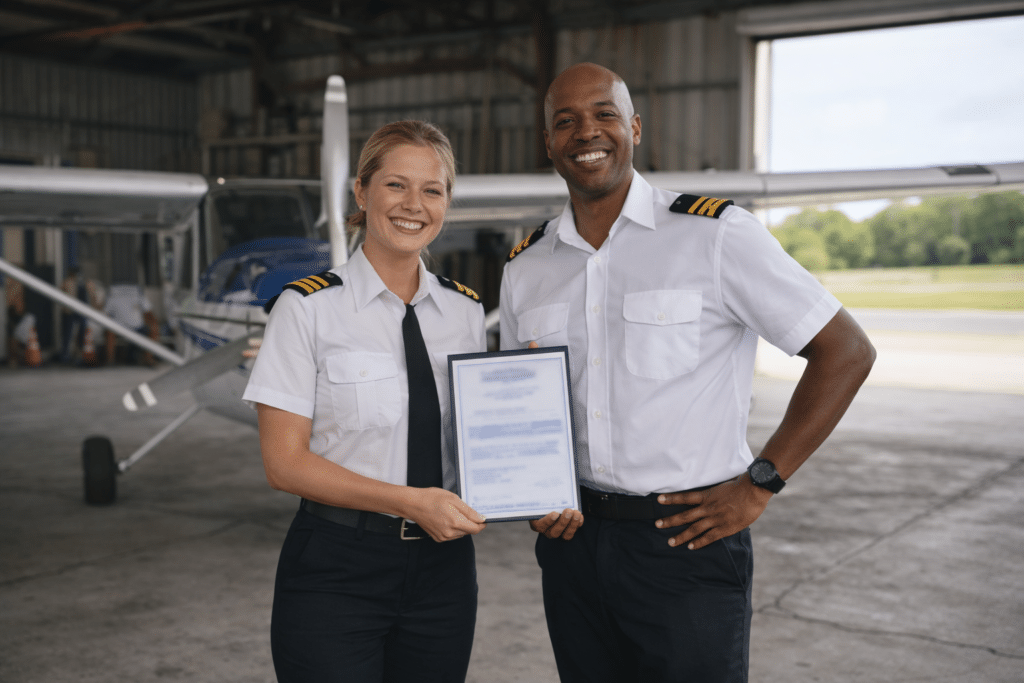
What Is RPC?
RPC (Recreational Pilot Certificate) is an Australian aviation qualification that allows pilots to fly lightweight recreational aircraft for personal use. Issued through Recreational Aviation Australia (RAAus), the certificate requires flight training, theory knowledge, and safety assessments before pilots can operate registered recreational aircraft within approved conditions.
Understanding the Recreational Pilot Certificate (RPC) in Australia
The Recreational Pilot Certificate (RPC) is administered by Recreational Aviation Australia (RAAus), an organisation that regulates recreational aviation operations outside the main CASA licensing system.
Unlike commercial aviation licences regulated entirely by the Civil Aviation Safety Authority (CASA), the RPC focuses specifically on light recreational aircraft.
According to the Australian aviation regulator, safety training and certification are essential before operating any aircraft. The Civil Aviation Safety Authority outlines aviation rules and safety expectations for pilots across the country (CASA aviation safety information).
RPC training focuses on three key areas:
- Basic aircraft control
- Aviation safety procedures
- Understanding airspace and navigation
The goal is simple: teach recreational pilots how to fly safely while enjoying aviation.
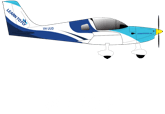
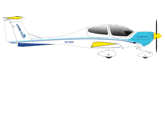
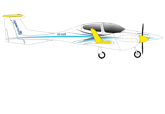
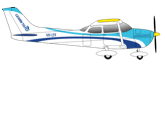
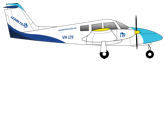
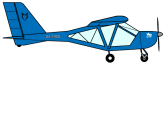
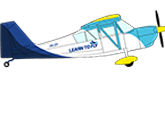
Typical aircraft used during RPC training include:
- Light sport aircraft
- Ultralight aircraft
- Two-seat training aircraft
These aircraft are lighter and simpler than traditional training planes, which helps reduce training complexity and costs.
Why Many Australians Choose an RPC First
For many people in Australia, the idea of becoming a pilot can feel intimidating. However, the RPC simplifies the entry into aviation.
There are several reasons why students often begin with an RPC.
1. Lower Training Costs
Traditional flight training can be expensive. However, recreational aircraft use less fuel and simpler systems, making them cheaper to operate and train in.
2. Faster Training Timeline
Many RPC students complete their training within 30-35 flight hours, depending on learning pace and training frequency.
3. Accessible Entry Requirements
Unlike some aviation licences, the RPC does not require a formal aviation degree or complex prerequisites.
4. Strong Foundation for Future Training
Many pilots use the RPC as a stepping stone toward more advanced aviation pathways.
If you’re considering aviation training, exploring structured programs at an Australian flight training academy like Learn To Fly Australia’s aviation training programs can provide additional insight into how recreational training fits into broader pilot career pathways.
RPC vs Other Pilot Licences in Australia
One of the most common questions people ask is how the RPC compares with other pilot licences.
Below is a simplified comparison.
| Feature | RPC | Recreational Pilot Licence (PPL) | Private Pilot Licence (PPL) |
|---|---|---|---|
| Purpose | Recreational flying | Recreational Flying | Professional pilot |
| Governing Body | RAAus | CASA | CASA |
| Typical Training Hours | 30–35 hours | 30–40 hours | 55-75 hours |
| Aircraft Type | Light recreational aircraft | General aviation aircraft | General aviation aircraft |
| Passenger Carrying | Limited | Yes | Yes |
| Paid Flying | No | No | No |
According to Recreational Aviation Australia, the RPC focuses on safe recreational flying rather than professional aviation pathways (RAAus official information).
However, skills learned during RPC training such as navigation, aircraft control, and situational awareness are directly transferable to higher licences.
RPC Training Process in Australia
RPC training follows a structured approach designed to build knowledge and confidence step by step.
Most training programs include:
Ground Theory
Students learn aviation basics, including:
- Aircraft systems
- Aerodynamics
- Weather interpretation
- Airspace rules
- Navigation
Practical Flight Training
Students practise:
- Aircraft control
- Take-offs and landings
- Emergency procedures
- Circuit flying
- Navigation flights
Safety Assessment
Before certification, instructors assess whether the student can safely operate the aircraft independently.
Step-by-Step Checklist to Get an RPC
Below is a typical pathway most Australian students follow.
- Choose an aviation training school
Select a reputable training organisation experienced in recreational aviation. - Complete initial medical and safety checks
Basic health standards must be met for safe flying. - Start flight training lessons
Students usually train in dual instruction with a qualified instructor. - Study aviation theory
Learn essential aviation knowledge covering navigation, weather, and aircraft systems. - Complete required flight hours
Training hours vary depending on individual progress. - Pass theory assessments
Students must demonstrate knowledge of aviation safety and procedures. - Complete a flight assessment
Instructors evaluate safe aircraft operation. - Receive the Recreational Pilot Certificate
After successful completion, pilots can fly recreational aircraft within permitted limits.
RPC Costs in Australia (Typical Estimates)
Flight training costs vary depending on location, aircraft type, and instructor fees.
Below are typical estimates based on Australian training organisations.
| Training Component | Estimated Cost (AUD) |
|---|---|
| Introductory flight lesson | $250 – $400 |
| Hourly aircraft + instructor | $300 – $450 |
| Theory training materials | $100 – $400 |
| RAAus membership and admin | $200 – $300 |
| Total RPC training | $14,000 – $20,000 |
These numbers are estimates only and can vary between schools.
According to Australian aviation training providers, training costs depend heavily on student learning pace and aircraft type.
RPC Privileges and Limitations
An RPC allows pilots to fly recreational aircraft under specific conditions.
What You Can Do
RPC holders may:
- Fly registered recreational aircraft
- Carry one passenger (after additional endorsements)
- Conduct local navigation flights
- Operate within approved airspace
Limitations
RPC pilots generally cannot:
- Fly larger aircraft
- Carry more than 1 passenger
- Operate in controlled airspace without additional endorsements
- Fly at night without additional ratings
These limitations exist primarily for safety and regulatory reasons.
Aircraft Types You Can Fly With an RPC
Most RPC pilots fly lightweight recreational aircraft designed for simplicity and efficiency.
Examples include:
- Light sport aircraft (LSA)
- Ultralight aircraft
- Two-seat recreational trainers
These aircraft typically weigh under 600 kg maximum take-off weight, which makes them easier to control and maintain.
The Australian Government’s aviation safety framework ensures that these aircraft meet strict safety standards for recreational operations (Australian Government aviation regulations).
Safety and Regulations for RPC Pilots in Australia
Safety is the foundation of all aviation training.
Even though RPC flying is recreational, the training standards are serious and structured.
Pilots must understand:
- Weather safety
- Airspace restrictions
- Aircraft limitations
- Emergency procedures
From my experience observing flight schools, instructors emphasise risk awareness and decision-making just as much as flying skills.
This is because aviation incidents are rarely caused by mechanical issues alone. More often, they involve:
- Poor weather judgement
- Navigation errors
- Inadequate preparation
Good RPC training helps pilots recognise these risks early.
People Also Ask: RPC in Australia
What does RPC stand for in Australian aviation?
RPC stands for Recreational Pilot Certificate. It allows pilots in Australia to fly recreational aircraft under the Recreational Aviation Australia (RAAus) system after completing training and safety assessments.
How long does it take to get an RPC in Australia?
Most students complete RPC training within 20–30 flight hours, though the timeline depends on training frequency and individual progress.
Can you carry passengers with an RPC?
Yes, but typically only after additional training and endorsements. Students must first demonstrate safe solo operation before carrying passengers.
Is an RPC recognised by CASA?
The RPC operates within the RAAus regulatory framework, which works alongside CASA’s broader aviation safety oversight.
Can an RPC lead to a commercial pilot career?
Yes. While an RPC itself is recreational, many pilots later transition to CASA licences such as the PPL or CPL if they wish to pursue professional aviation.
FAQs / Expert Q&A About RPC
Is the RPC easier than a Private Pilot Licence?
The RPC is generally considered more accessible because it focuses on lighter aircraft and recreational operations. However, it still requires strong aviation knowledge and disciplined training.
What medical requirements apply to RPC pilots?
RPC pilots typically follow self-declared medical standards rather than full aviation medical exams required for higher licences. However, pilots must still be medically fit to fly safely.
Can RPC pilots fly long distances?
Yes, with navigation endorsements. Pilots can conduct cross-country flights once they demonstrate navigation proficiency and receive instructor approval.
What happens if I want to upgrade from RPC?
Many pilots upgrade by transitioning into CASA-regulated training programs such as the Private Pilot Licence (PPL). Flight experience gained during RPC training can help build foundational skills.
Is recreational aviation safe in Australia?
Australia maintains strong aviation safety standards. Training organisations, regulators, and aviation clubs all contribute to a structured safety culture within recreational aviation.
Conclusion
For many aspiring aviators in Australia, the rpc (Recreational Pilot Certificate) represents the most practical and exciting entry into the world of flying. It combines structured training, accessible aircraft, and strong safety standards while allowing people to enjoy aviation for personal recreation.
From learning basic aircraft control to understanding airspace rules and weather safety, RPC training builds the essential skills every pilot needs.
If you’re considering starting your aviation journey, exploring professional training options can help you understand the next steps. You can learn more about structured aviation training pathways by visiting Learn To Fly Australia’s pilot training programs.
With the right training, dedication, and safety mindset, the dream of flying in Australia can become a real and achievable goal.