





If you are searching for commercial pilot training in Melbourne, you are likely comparing flight schools, costs, licences, medical steps and real career pathways. That is a smart place to start. Becoming a commercial pilot in Australia is not just about flying more hours. It is about building safe habits, passing theory exams, meeting Civil Aviation Safety Authority standards and choosing training that suits your goals.
From our experience with student enquiries, the strongest students do three things early. First, they understand the licence pathway. Next, they budget for more than flight hours. Finally, they choose a Melbourne training environment that gives them real exposure to radio work, weather changes, controlled procedures and decision-making.
Commercial pilot training in Melbourne is a structured pathway for students who want to qualify for paid flying in Australia. It combines CASA theory exams, practical flight lessons, supervised flight hours, medical checks, English standards and a CPL flight test, usually completed through a Part 141 or Part 142 operator.

Table of Contents
- Why Melbourne is a strong place for commercial pilot training
- What commercial pilot training melbourne involves
- The CASA pathway to a Commercial Pilot Licence
- Integrated vs non-integrated CPL training
- Onshore vs offshore training comparison
- Costs, timeframes and planning factors
- How to choose a Melbourne flight school
- Student visas and international student planning
- Numbered onboarding checklist
- People Also Ask
- Expert Q&A
- Conclusion
Why Melbourne Is a Strong Place for Commercial Pilot Training
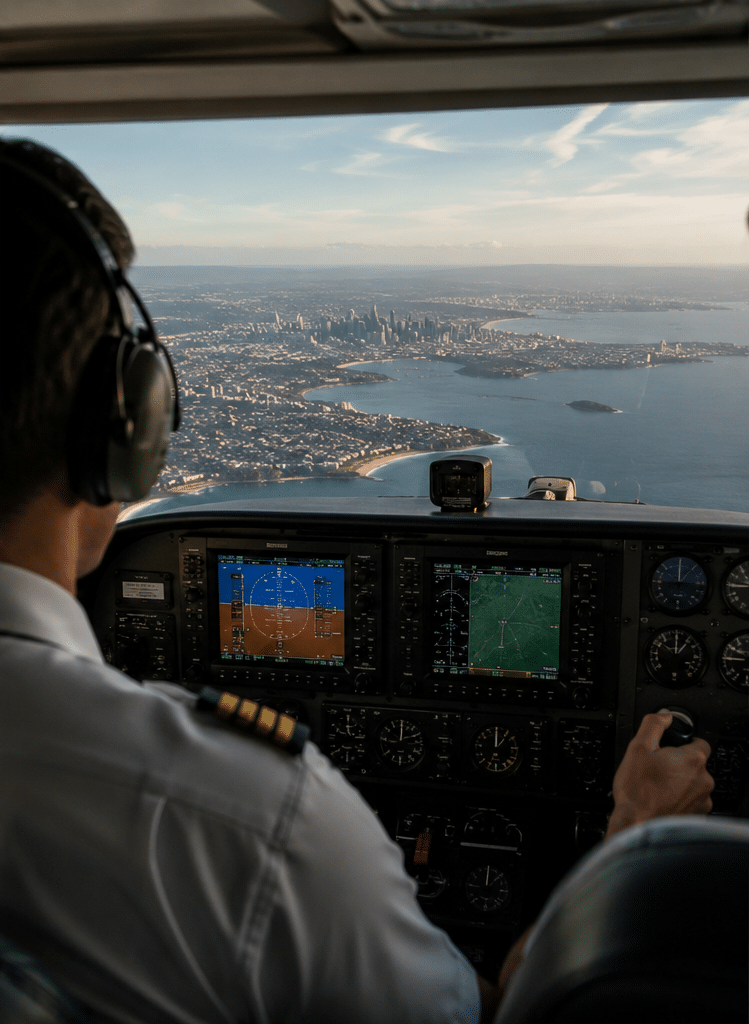
Melbourne is one of Australia’s most active aviation training cities. It offers access to busy general aviation airports, changing coastal weather, controlled and non-controlled airspace, and regional cross-country routes across Victoria.
That mix matters. A commercial pilot must do more than handle the aircraft in calm conditions. You need to manage workload, radio calls, navigation, weather, fuel planning and passengers or operational pressure. Therefore, a varied training environment can help build confidence earlier.
Moorabbin Airport is especially relevant for students comparing commercial pilot training in Melbourne. The airport describes itself as Australia’s leading general aviation flight training airport, with a range of aviation activities based there. That kind of environment can expose students to real traffic flow, circuit discipline and radio procedures from an early stage.
However, a busy airport is not automatically better for every student. Some beginners feel more comfortable starting at a quieter field. Others prefer early exposure to active radio and traffic. The right answer depends on your confidence, schedule, budget and instructor support.
What commercial pilot training melbourne Involves
At its core, commercial pilot training in Melbourne prepares you for the Commercial Pilot Licence, often called the CPL. In Australia, a CPL allows a pilot to fly an aircraft for work purposes. CASA explains that a CPL lets you fly in private and commercial operations under Part 61, with some limits on certain air transport operations and larger aircraft.
This point is important. A CPL is not the same as an airline job. Rather, it is a major professional licence that can lead to roles such as charter flying, scenic flights, aerial survey, agricultural support, flight instruction after an instructor rating, or further airline-focused training.
Most students follow a stepped pathway. They begin with basic handling, circuits and solo flight. Then they build navigation skills, controlled-airspace confidence, theory knowledge and operational judgement. As a result, commercial training becomes a blend of hands-on flying and disciplined study.
In practical terms, your training may include:
- Aircraft handling and emergency procedures
- Circuit training, take-offs and landings
- Navigation and cross-country flights
- Basic instrument flying
- Meteorology and flight planning
- Aircraft performance and loading
- Human factors and decision-making
- CASA theory exam preparation
- CPL flight test preparation
From a training point of view, the “why” behind each task matters. For example, navigation is not just about reaching a destination. It teaches fuel planning, diversion decisions, weather interpretation and workload control. Likewise, human factors are not just theory. It helps you recognise fatigue, stress, distraction and overconfidence before they affect safety.
The CASA Pathway to a Commercial Pilot Licence in Australia
CASA sets the Australian requirements for commercial pilot licensing. According to CASA’s commercial pilot licence guidance, you must be at least 18, meet English language standards, complete relevant theory exams, train with a Part 141 or Part 142 operator, meet minimum aeronautical experience, pass the flight test and hold the required medical certificate.
That list may look simple. However, each step has detail behind it.
Age and English requirements
You need to be at least 18 to hold a CPL. You also need aviation English language proficiency if you use an aeronautical radio. In practice, this matters for every serious commercial pathway because clear radio communication is part of safe flying.
For international students, English is also practical. You will read weather forecasts, maintenance releases, exam questions and procedures in English. Therefore, improving aviation English early can reduce stress later.
Theory exams
CPL theory is deeper than recreational or private pilot study. CASA lists subjects such as flight rules and air law, aerodynamics, meteorology, navigation, human factors, performance, operations, flight planning and aircraft general knowledge.
Students often underestimate this stage. In our experience, the best approach is to treat theory like professional training, not school homework. Set a weekly study routine. Ask instructors to connect theory to real flights. Also, review mistakes straight after practice exams.
Flight training and flight test
Your flight training must be completed with a Part 141 or Part 142 operator. CASA identifies two broad CPL course styles: integrated training through Part 142 operators and non-integrated training through Part 141 operators.
The CPL flight test checks whether you can operate to commercial standards. That includes aircraft control, planning, decision-making and safe management of abnormal situations. Therefore, passing the test is not about one perfect flight. It is about showing reliable professional judgement.
Medical certificate
Medical planning should happen early. CASA states that a Class 1 medical certificate is required to attempt the CPL flight test, while a Class 1 or Class 2 may be used to fly commercially, subject to Class 2 limits. CASA also notes that a Class 2 used by commercial pilots is limited to commercial flights without passengers and aircraft under 8618 kg maximum take-off weight.
For more detail, CASA medical certificate classes explain validity and privileges. A Class 1 certificate is generally valid for one year unless CASA advises otherwise, while Class 2 validity depends on age.
Because medical matters can affect your pathway, book your aviation medical before committing to a large training budget.
Integrated vs Non-Integrated commercial pilot training melbourne
When comparing commercial pilot training in Melbourne options, you will see integrated and non-integrated pathways. Both can lead to a CPL, but they suit different students.
CASA lists minimum aeronautical experience for an aeroplane CPL as 150 hours for an integrated course and 200 hours for a non-integrated course. Up to 10 hours may be in a flight simulation training device.
An integrated course is usually more structured. Theory and flying are planned together. It may suit full-time students who want a more intensive pathway.
A non-integrated course is often more flexible. It may suit students who are working, studying elsewhere, or paying as they go. However, because it has a higher minimum experience requirement, the total flying time may be greater.
Neither path is “best” for everyone. Instead, choose based on your availability, learning style, visa position, budget and long-term career plan.
Onshore vs Offshore Training Comparison
Some students complete all their training in Australia. Others do theory preparation offshore and fly in Melbourne later. This is common among international students who want to manage cost, time and family commitments.
| Training approach | Best suited to | Advantages | Watch-outs |
| Fully onshore in Melbourne | Students who want direct instructor support and regular flying | Better routine, local weather exposure, face-to-face mentoring, easier aircraft access | Accommodation, living costs and visa planning may increase total budget |
| Theory offshore, flying onshore | Students overseas preparing before arrival | Can reduce idle time in Australia and build confidence before flight lessons | Theory must match CASA standards; poor self-study habits can delay progress |
| Hybrid pathway | Students balancing work, family or staged budgets | Flexible planning and smoother transition into full-time flying | Requires strong coordination with the school and clear milestones |
| Fully offshore before conversion | Pilots already licensed overseas | May reduce initial Australian training time | Licence recognition, English, medical and CASA conversion steps still need careful planning |
As a result, the best plan is often the one you can follow consistently. A fast plan that collapses under stress is not useful. A steady plan with good instructor feedback is usually safer and more effective.
Costs and Timeframes for commercial pilot training melbourne
Students often ask for one fixed cost. However, commercial pilot training melbourne costs vary because flight training depends on aircraft type, lesson frequency, weather, student preparation, exam progress and repeat practice.
A quote should separate the main cost areas. These may include aircraft hire, instructor time, theory tuition, CASA exam fees, medical appointments, headset, study materials, uniform if required, flight test costs, accommodation and transport.
Also, remember that minimum hours are not a guarantee. Some students are ready at the minimum. Others need extra consolidation. That is normal. Flying is competency-based, so your aim should be a safe commercial standard, not the lowest possible number.
Timeframes also vary. A full-time integrated student may progress faster than a part-time student who flies once every few weeks. However, consistency matters more than intensity. Flying three or four times a week can build momentum. Flying once a month can lead to skill fade, extra revision and higher overall cost.
Therefore, before enrolling, ask these questions:
- How many days per week can I realistically train?
- What happens if weather cancels several flights?
- Are theory classes live, online or self-paced?
- How does the school track progress?
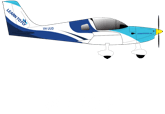
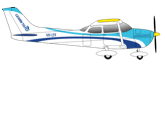
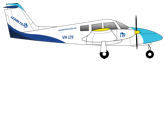
- What aircraft will I train in?
- How are instructor changes managed?
- What extra costs are not included in the headline price?
A transparent school should welcome these questions.
How to Choose a Flight School for commercial pilot training melbourne
Choosing a flight school is a major decision. Price matters, but it should not be the only factor. A cheaper hourly rate may not save money if scheduling is poor, aircraft availability is limited or you need extra lessons due to inconsistent instruction.
Start with approval status. For CPL training, confirm whether the organisation operates under the relevant CASA Part 141 or Part 142 approval for your pathway. Next, ask about instructor experience, aircraft maintenance, safety culture and student support.
Then look at how the school teaches. Some schools are strong at structured airline-style training. Others are better for flexible private-to-commercial pathways. Both can be valuable. However, your school should be able to explain exactly how it will take you from your current level to CPL readiness.
In practice, strong schools usually offer:
- Clear course outlines
- Written training plans
- Regular progress checks
- Well-maintained aircraft
- Transparent fees
- Instructor continuity where possible
- Theory support
- Realistic career guidance
- Honest advice about extra ratings
Also, visit the campus if you can. Watch how staff speak to students. Notice whether briefings feel rushed or professional. Ask current students about scheduling. These small details often reveal the real training culture.
Melbourne Training Conditions: Why Local Experience Helps
Melbourne’s weather can change quickly. Coastal wind, low cloud, rain bands and summer turbulence all create learning opportunities. While cancellations can be frustrating, they also teach planning and flexibility.
For commercial students, this matters. Real pilots work around weather. They do not simply hope for perfect conditions. Therefore, training in Melbourne can help students develop conservative go/no-go thinking.
Cross-country training in Victoria may also expose students to different airfields, terrain, traffic levels and weather patterns. As a result, students can build confidence outside the home circuit. That is valuable because commercial pilots rarely operate in one perfect environment.
However, local experience should be supported by good briefing. Weather alone does not teach judgement. Instructors must help students understand why a flight is suitable, why it is delayed, or why a safer plan is needed.
Student Visa and International Student Planning
Many people who search commercial pilot training in Melbourne are international students. If that applies to you, plan your visa, study load, accommodation and medical steps early.
Study Australia explains that the Student visa subclass 500 can allow eligible students to study at an Australian education provider, stay for the duration of the course up to a maximum of five years, and work up to 48 hours per fortnight while study is in session. The page also states that students generally need to enrol first and receive a Confirmation of Enrolment before applying. See Study Australia’s Student visa guide for official details.
This is administrative information, not legal advice. Visa rules can change, and personal circumstances matter. Therefore, use official government sources and, when needed, seek support from a registered migration agent.
International students should also think beyond the visa. You may need time to open a bank account, arrange transport, adjust to Australian aviation English and settle into a study routine. Therefore, arriving a little before intensive training begins can reduce pressure.
Numbered Checklist: How to Start commercial pilot training melbourne
Use this checklist before you commit to a CPL pathway.
- Define your goal. Decide whether you want charter, airline, instructor, aerial work or a staged pathway.
- Book an aviation medical early. This protects your budget and helps identify any medical follow-up.
- Confirm your English readiness. Strong aviation English supports radio calls, exams and safety.
- Compare integrated and non-integrated training. Match the pathway to your schedule and budget.
- Ask for a full cost breakdown. Include aircraft, instructor, exams, materials, medicals and test fees.
- Tour the flight school. Look at aircraft, briefing rooms, simulators, staff support and student culture.
- Plan your study week. Set time for flying, theory, revision, rest and travel.
- Prepare for weather delays. Build buffer time into your schedule and budget.
- Track each lesson. Review instructor notes and fix weak areas early.
- Reassess every month. Check progress, costs, exam readiness and wellbeing.
This process keeps your training practical. It also helps you avoid common mistakes, such as focusing only on flying hours while ignoring theory, medicals or exam timing.
Common Mistakes Students Make
The first mistake is delaying theory. Some students want to fly first and “do theory later”. However, CPL flying depends on theory. Performance, navigation and meteorology affect real decisions in the cockpit.
The second mistake is flying too irregularly. Long gaps can make each lesson feel like revision. As a result, progress slows and costs can rise.
The third mistake is choosing only on price. A low hourly rate is attractive, but total value depends on instruction quality, aircraft access, scheduling and support.
The fourth mistake is ignoring lifestyle. Intensive training requires sleep, food, focus and money management. If you are exhausted, your learning slows. Therefore, plan your routine like a professional from day one.
Finally, some students assume a CPL guarantees employment. It does not. A CPL is a foundation. You may still need ratings, more hours, interview preparation and operational experience.
Career Pathways After a CPL
After commercial pilot training in Melbourne, your next step depends on your goal. Some students add a multi-engine class rating and instrument rating. Others complete a flight instructor rating to teach and build experience. Some look for entry-level charter, scenic, survey or regional operations.
If your goal is airline flying, you may also need ATPL theory subjects, multi-crew cooperation training and more flight experience. Requirements vary by employer. Therefore, review job advertisements early so you understand what the market expects.
A balanced approach is best. Train for safety and skill first. Then build qualifications that match your chosen sector. This avoids spending money on ratings you do not need yet.
People Also Ask About commercial pilot training melbourne
How long does commercial pilot training in Melbourne take?
It depends on whether you train full-time or part-time, and whether you choose an integrated or non-integrated pathway. Full-time students may progress faster, but weather, exam readiness, aircraft availability and personal consistency all affect timing.
What licence do I need to work as a pilot in Australia?
You generally need a Commercial Pilot Licence to fly an aircraft for work. Depending on the job, you may also need extra ratings, such as an instrument rating, multi-engine class rating or instructor rating.
Is Melbourne a good place for commercial pilot training?
Yes, Melbourne can be a strong training location because it offers busy general aviation environments, varied weather and access to regional navigation routes. However, the right school, instructor support and training plan matter more than the city alone.
Is commercial pilot training expensive in Australia?
It is a significant investment. Costs vary based on aircraft type, flight frequency, theory support, exam progress, weather delays and whether you need extra practice beyond minimum hours.
Can international students do commercial pilot training in Melbourne?
Many international students study aviation in Australia, but visa, enrolment, medical and English requirements must be planned carefully. Use official Australian Government sources and get qualified migration advice when needed.
Expert Q&A: Deeper Questions About commercial pilot training melbourne
1. Should I complete my RPL and PPL before starting CPL training?
Many students follow the RPL to PPL to CPL pathway because it builds skill in stages. However, some integrated courses are designed to take students through a structured pathway from early training to CPL. The better choice depends on your experience, budget, availability and school approval.
2. What is the biggest challenge in CPL theory?
For many students, the challenge is not one subject. It is the volume of knowledge and the need to apply it under time pressure. Meteorology, performance and navigation often need steady practice because they connect directly to flight planning.
3. How often should I fly during commercial pilot training?
More consistent flying usually improves progress. As a guide, several sessions per week can help build momentum, while long gaps may lead to revision lessons. However, quality matters too. A tired student flying too often may not learn efficiently.
4. Do I need perfect health to become a commercial pilot?
No, but you must meet CASA medical standards for the privileges you want to exercise. Because individual medical history matters, book a Designated Aviation Medical Examiner early and follow CASA’s process rather than guessing.
5. What should I ask during a flight school tour?
Ask about CASA approvals, aircraft availability, instructor continuity, theory support, safety reporting, fee transparency and student progress tracking. Also ask what happens when flights are cancelled by weather or maintenance, because those policies affect your real training experience.
Conclusion: Plan Your Path Before You Start
Choosing commercial pilot training in Melbourne is a major step towards a professional aviation future. Melbourne offers a strong training environment, but success depends on more than location. You need the right pathway, a realistic budget, early medical planning, disciplined theory study and a school that supports your progress honestly.
Start by understanding CASA requirements. Then compare integrated and non-integrated options. After that, visit schools, ask detailed questions and build a weekly routine you can sustain.
When you are ready to explore your next step, speak with the team at start your commercial pilot pathway in Melbourne with Learn To Fly and compare your goals with a practical training plan.