

Select country
-->

Commercial Pilot Training Melbourne: A Practical Guide for Future Pilots in Australia

If you are searching for commercial pilot training in Melbourne, you are likely comparing flight schools, costs, licences, medical steps and real career pathways. That is a smart place to start. Becoming a commercial pilot in Australia is not just about flying more hours. It is about building safe habits, passing theory exams, meeting Civil Aviation Safety Authority standards and choosing training that suits your goals.

From our experience with student enquiries, the strongest students do three things early. First, they understand the licence pathway. Next, they budget for more than flight hours. Finally, they choose a Melbourne training environment that gives them real exposure to radio work, weather changes, controlled procedures and decision-making.

Commercial pilot training in Melbourne is a structured pathway for students who want to qualify for paid flying in Australia. It combines CASA theory exams, practical flight lessons, supervised flight hours, medical checks, English standards and a CPL flight test, usually completed through a Part 141 or Part 142 operator.
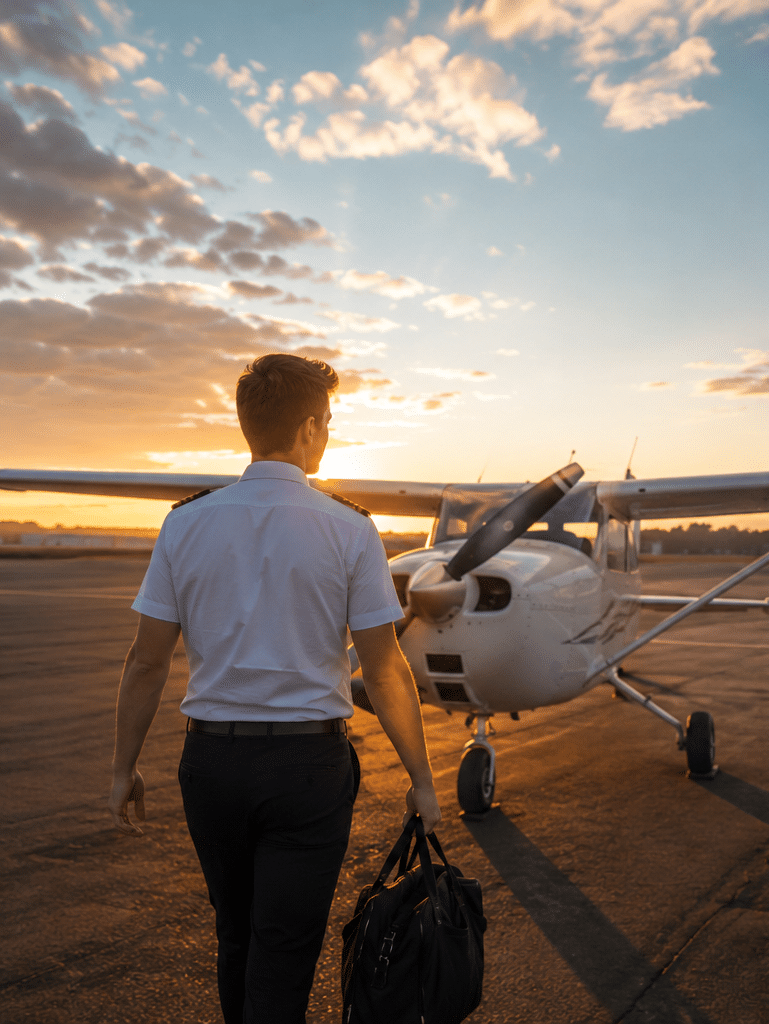
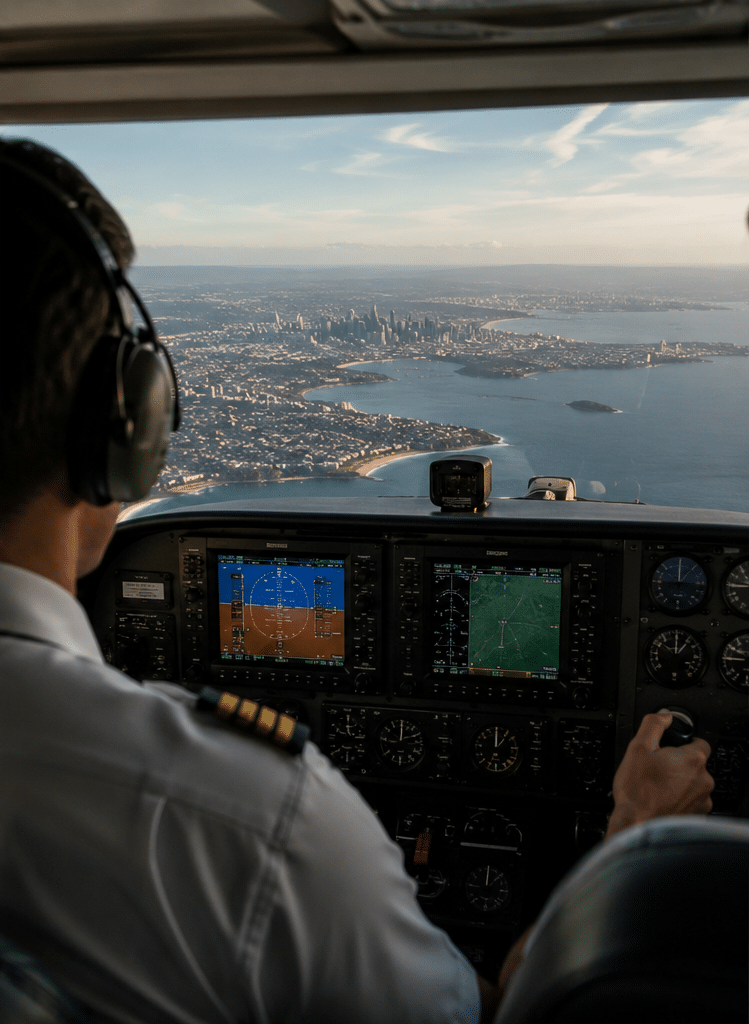
commercial pilot training melbourne

Table of Contents

  1. Why Melbourne is a strong place for commercial pilot training
  2. What commercial pilot training melbourne involves
  3. The CASA pathway to a Commercial Pilot Licence
  4. Integrated vs non-integrated CPL training
  5. Onshore vs offshore training comparison
  6. Costs, timeframes and planning factors
  7. How to choose a Melbourne flight school
  8. Student visas and international student planning
  9. Numbered onboarding checklist
  10. People Also Ask
  11. Expert Q&A
  12. Conclusion

Why Melbourne Is a Strong Place for Commercial Pilot Training

Melbourne is one of Australia’s most active aviation training cities. It offers access to busy general aviation airports, changing coastal weather, controlled and non-controlled airspace, and regional cross-country routes across Victoria.

That mix matters. A commercial pilot must do more than handle the aircraft in calm conditions. You need to manage workload, radio calls, navigation, weather, fuel planning and passengers or operational pressure. Therefore, a varied training environment can help build confidence earlier.

Moorabbin Airport is especially relevant for students comparing commercial pilot training in Melbourne. The airport describes itself as Australia’s leading general aviation flight training airport, with a range of aviation activities based there. That kind of environment can expose students to real traffic flow, circuit discipline and radio procedures from an early stage.

However, a busy airport is not automatically better for every student. Some beginners feel more comfortable starting at a quieter field. Others prefer early exposure to active radio and traffic. The right answer depends on your confidence, schedule, budget and instructor support.

What commercial pilot training melbourne Involves

At its core, commercial pilot training in Melbourne prepares you for the Commercial Pilot Licence, often called the CPL. In Australia, a CPL allows a pilot to fly an aircraft for work purposes. CASA explains that a CPL lets you fly in private and commercial operations under Part 61, with some limits on certain air transport operations and larger aircraft.

This point is important. A CPL is not the same as an airline job. Rather, it is a major professional licence that can lead to roles such as charter flying, scenic flights, aerial survey, agricultural support, flight instruction after an instructor rating, or further airline-focused training.

Most students follow a stepped pathway. They begin with basic handling, circuits and solo flight. Then they build navigation skills, controlled-airspace confidence, theory knowledge and operational judgement. As a result, commercial training becomes a blend of hands-on flying and disciplined study.

In practical terms, your training may include:

  • Aircraft handling and emergency procedures
  • Circuit training, take-offs and landings
  • Navigation and cross-country flights
  • Basic instrument flying
  • Meteorology and flight planning
  • Aircraft performance and loading
  • Human factors and decision-making
  • CASA theory exam preparation
  • CPL flight test preparation

From a training point of view, the “why” behind each task matters. For example, navigation is not just about reaching a destination. It teaches fuel planning, diversion decisions, weather interpretation and workload control. Likewise, human factors are not just theory. It helps you recognise fatigue, stress, distraction and overconfidence before they affect safety.

The CASA Pathway to a Commercial Pilot Licence in Australia

CASA sets the Australian requirements for commercial pilot licensing. According to CASA’s commercial pilot licence guidance, you must be at least 18, meet English language standards, complete relevant theory exams, train with a Part 141 or Part 142 operator, meet minimum aeronautical experience, pass the flight test and hold the required medical certificate.

That list may look simple. However, each step has detail behind it.

Age and English requirements

You need to be at least 18 to hold a CPL. You also need aviation English language proficiency if you use an aeronautical radio. In practice, this matters for every serious commercial pathway because clear radio communication is part of safe flying.

For international students, English is also practical. You will read weather forecasts, maintenance releases, exam questions and procedures in English. Therefore, improving aviation English early can reduce stress later.

Theory exams

CPL theory is deeper than recreational or private pilot study. CASA lists subjects such as flight rules and air law, aerodynamics, meteorology, navigation, human factors, performance, operations, flight planning and aircraft general knowledge.

Students often underestimate this stage. In our experience, the best approach is to treat theory like professional training, not school homework. Set a weekly study routine. Ask instructors to connect theory to real flights. Also, review mistakes straight after practice exams.

Flight training and flight test

Your flight training must be completed with a Part 141 or Part 142 operator. CASA identifies two broad CPL course styles: integrated training through Part 142 operators and non-integrated training through Part 141 operators.

The CPL flight test checks whether you can operate to commercial standards. That includes aircraft control, planning, decision-making and safe management of abnormal situations. Therefore, passing the test is not about one perfect flight. It is about showing reliable professional judgement.

Medical certificate

Medical planning should happen early. CASA states that a Class 1 medical certificate is required to attempt the CPL flight test, while a Class 1 or Class 2 may be used to fly commercially, subject to Class 2 limits. CASA also notes that a Class 2 used by commercial pilots is limited to commercial flights without passengers and aircraft under 8618 kg maximum take-off weight.

For more detail, CASA medical certificate classes explain validity and privileges. A Class 1 certificate is generally valid for one year unless CASA advises otherwise, while Class 2 validity depends on age.

Because medical matters can affect your pathway, book your aviation medical before committing to a large training budget.

Integrated vs Non-Integrated commercial pilot training melbourne

When comparing commercial pilot training in Melbourne options, you will see integrated and non-integrated pathways. Both can lead to a CPL, but they suit different students.

CASA lists minimum aeronautical experience for an aeroplane CPL as 150 hours for an integrated course and 200 hours for a non-integrated course. Up to 10 hours may be in a flight simulation training device.

An integrated course is usually more structured. Theory and flying are planned together. It may suit full-time students who want a more intensive pathway.

A non-integrated course is often more flexible. It may suit students who are working, studying elsewhere, or paying as they go. However, because it has a higher minimum experience requirement, the total flying time may be greater.

Neither path is “best” for everyone. Instead, choose based on your availability, learning style, visa position, budget and long-term career plan.

Onshore vs Offshore Training Comparison

Some students complete all their training in Australia. Others do theory preparation offshore and fly in Melbourne later. This is common among international students who want to manage cost, time and family commitments.

Training approachBest suited toAdvantagesWatch-outs
Fully onshore in MelbourneStudents who want direct instructor support and regular flyingBetter routine, local weather exposure, face-to-face mentoring, easier aircraft accessAccommodation, living costs and visa planning may increase total budget
Theory offshore, flying onshoreStudents overseas preparing before arrivalCan reduce idle time in Australia and build confidence before flight lessonsTheory must match CASA standards; poor self-study habits can delay progress
Hybrid pathwayStudents balancing work, family or staged budgetsFlexible planning and smoother transition into full-time flyingRequires strong coordination with the school and clear milestones
Fully offshore before conversionPilots already licensed overseasMay reduce initial Australian training timeLicence recognition, English, medical and CASA conversion steps still need careful planning

As a result, the best plan is often the one you can follow consistently. A fast plan that collapses under stress is not useful. A steady plan with good instructor feedback is usually safer and more effective.

Costs and Timeframes for commercial pilot training melbourne

Students often ask for one fixed cost. However, commercial pilot training melbourne costs vary because flight training depends on aircraft type, lesson frequency, weather, student preparation, exam progress and repeat practice.

A quote should separate the main cost areas. These may include aircraft hire, instructor time, theory tuition, CASA exam fees, medical appointments, headset, study materials, uniform if required, flight test costs, accommodation and transport.

Also, remember that minimum hours are not a guarantee. Some students are ready at the minimum. Others need extra consolidation. That is normal. Flying is competency-based, so your aim should be a safe commercial standard, not the lowest possible number.

Timeframes also vary. A full-time integrated student may progress faster than a part-time student who flies once every few weeks. However, consistency matters more than intensity. Flying three or four times a week can build momentum. Flying once a month can lead to skill fade, extra revision and higher overall cost.

Therefore, before enrolling, ask these questions:

  • How many days per week can I realistically train?
  • What happens if weather cancels several flights?
  • Are theory classes live, online or self-paced?
  • How does the school track progress?
  • What aircraft will I train in?
  • How are instructor changes managed?
  • What extra costs are not included in the headline price?

A transparent school should welcome these questions.

How to Choose a Flight School for commercial pilot training melbourne

Choosing a flight school is a major decision. Price matters, but it should not be the only factor. A cheaper hourly rate may not save money if scheduling is poor, aircraft availability is limited or you need extra lessons due to inconsistent instruction.

Start with approval status. For CPL training, confirm whether the organisation operates under the relevant CASA Part 141 or Part 142 approval for your pathway. Next, ask about instructor experience, aircraft maintenance, safety culture and student support.

Then look at how the school teaches. Some schools are strong at structured airline-style training. Others are better for flexible private-to-commercial pathways. Both can be valuable. However, your school should be able to explain exactly how it will take you from your current level to CPL readiness.

In practice, strong schools usually offer:

  • Clear course outlines
  • Written training plans
  • Regular progress checks
  • Well-maintained aircraft
  • Transparent fees
  • Instructor continuity where possible
  • Theory support
  • Realistic career guidance
  • Honest advice about extra ratings

Also, visit the campus if you can. Watch how staff speak to students. Notice whether briefings feel rushed or professional. Ask current students about scheduling. These small details often reveal the real training culture.

Melbourne Training Conditions: Why Local Experience Helps

Melbourne’s weather can change quickly. Coastal wind, low cloud, rain bands and summer turbulence all create learning opportunities. While cancellations can be frustrating, they also teach planning and flexibility.

For commercial students, this matters. Real pilots work around weather. They do not simply hope for perfect conditions. Therefore, training in Melbourne can help students develop conservative go/no-go thinking.

Cross-country training in Victoria may also expose students to different airfields, terrain, traffic levels and weather patterns. As a result, students can build confidence outside the home circuit. That is valuable because commercial pilots rarely operate in one perfect environment.

However, local experience should be supported by good briefing. Weather alone does not teach judgement. Instructors must help students understand why a flight is suitable, why it is delayed, or why a safer plan is needed.

Student Visa and International Student Planning

Many people who search commercial pilot training in Melbourne are international students. If that applies to you, plan your visa, study load, accommodation and medical steps early.

Study Australia explains that the Student visa subclass 500 can allow eligible students to study at an Australian education provider, stay for the duration of the course up to a maximum of five years, and work up to 48 hours per fortnight while study is in session. The page also states that students generally need to enrol first and receive a Confirmation of Enrolment before applying. See Study Australia’s Student visa guide for official details.

This is administrative information, not legal advice. Visa rules can change, and personal circumstances matter. Therefore, use official government sources and, when needed, seek support from a registered migration agent.

International students should also think beyond the visa. You may need time to open a bank account, arrange transport, adjust to Australian aviation English and settle into a study routine. Therefore, arriving a little before intensive training begins can reduce pressure.

Numbered Checklist: How to Start commercial pilot training melbourne

Use this checklist before you commit to a CPL pathway.

  1. Define your goal. Decide whether you want charter, airline, instructor, aerial work or a staged pathway.
  2. Book an aviation medical early. This protects your budget and helps identify any medical follow-up.
  3. Confirm your English readiness. Strong aviation English supports radio calls, exams and safety.
  4. Compare integrated and non-integrated training. Match the pathway to your schedule and budget.
  5. Ask for a full cost breakdown. Include aircraft, instructor, exams, materials, medicals and test fees.
  6. Tour the flight school. Look at aircraft, briefing rooms, simulators, staff support and student culture.
  7. Plan your study week. Set time for flying, theory, revision, rest and travel.
  8. Prepare for weather delays. Build buffer time into your schedule and budget.
  9. Track each lesson. Review instructor notes and fix weak areas early.
  10. Reassess every month. Check progress, costs, exam readiness and wellbeing.

This process keeps your training practical. It also helps you avoid common mistakes, such as focusing only on flying hours while ignoring theory, medicals or exam timing.

Common Mistakes Students Make

The first mistake is delaying theory. Some students want to fly first and “do theory later”. However, CPL flying depends on theory. Performance, navigation and meteorology affect real decisions in the cockpit.

The second mistake is flying too irregularly. Long gaps can make each lesson feel like revision. As a result, progress slows and costs can rise.

The third mistake is choosing only on price. A low hourly rate is attractive, but total value depends on instruction quality, aircraft access, scheduling and support.

The fourth mistake is ignoring lifestyle. Intensive training requires sleep, food, focus and money management. If you are exhausted, your learning slows. Therefore, plan your routine like a professional from day one.

Finally, some students assume a CPL guarantees employment. It does not. A CPL is a foundation. You may still need ratings, more hours, interview preparation and operational experience.

Career Pathways After a CPL

After commercial pilot training in Melbourne, your next step depends on your goal. Some students add a multi-engine class rating and instrument rating. Others complete a flight instructor rating to teach and build experience. Some look for entry-level charter, scenic, survey or regional operations.

If your goal is airline flying, you may also need ATPL theory subjects, multi-crew cooperation training and more flight experience. Requirements vary by employer. Therefore, review job advertisements early so you understand what the market expects.

A balanced approach is best. Train for safety and skill first. Then build qualifications that match your chosen sector. This avoids spending money on ratings you do not need yet.

People Also Ask About commercial pilot training melbourne

How long does commercial pilot training in Melbourne take?

It depends on whether you train full-time or part-time, and whether you choose an integrated or non-integrated pathway. Full-time students may progress faster, but weather, exam readiness, aircraft availability and personal consistency all affect timing.

What licence do I need to work as a pilot in Australia?

You generally need a Commercial Pilot Licence to fly an aircraft for work. Depending on the job, you may also need extra ratings, such as an instrument rating, multi-engine class rating or instructor rating.

Is Melbourne a good place for commercial pilot training?

Yes, Melbourne can be a strong training location because it offers busy general aviation environments, varied weather and access to regional navigation routes. However, the right school, instructor support and training plan matter more than the city alone.

Is commercial pilot training expensive in Australia?

It is a significant investment. Costs vary based on aircraft type, flight frequency, theory support, exam progress, weather delays and whether you need extra practice beyond minimum hours.

Can international students do commercial pilot training in Melbourne?

Many international students study aviation in Australia, but visa, enrolment, medical and English requirements must be planned carefully. Use official Australian Government sources and get qualified migration advice when needed.

Expert Q&A: Deeper Questions About commercial pilot training melbourne

1. Should I complete my RPL and PPL before starting CPL training?

Many students follow the RPL to PPL to CPL pathway because it builds skill in stages. However, some integrated courses are designed to take students through a structured pathway from early training to CPL. The better choice depends on your experience, budget, availability and school approval.

2. What is the biggest challenge in CPL theory?

For many students, the challenge is not one subject. It is the volume of knowledge and the need to apply it under time pressure. Meteorology, performance and navigation often need steady practice because they connect directly to flight planning.

3. How often should I fly during commercial pilot training?

More consistent flying usually improves progress. As a guide, several sessions per week can help build momentum, while long gaps may lead to revision lessons. However, quality matters too. A tired student flying too often may not learn efficiently.

4. Do I need perfect health to become a commercial pilot?

No, but you must meet CASA medical standards for the privileges you want to exercise. Because individual medical history matters, book a Designated Aviation Medical Examiner early and follow CASA’s process rather than guessing.

5. What should I ask during a flight school tour?

Ask about CASA approvals, aircraft availability, instructor continuity, theory support, safety reporting, fee transparency and student progress tracking. Also ask what happens when flights are cancelled by weather or maintenance, because those policies affect your real training experience.

Conclusion: Plan Your Path Before You Start

Choosing commercial pilot training in Melbourne is a major step towards a professional aviation future. Melbourne offers a strong training environment, but success depends on more than location. You need the right pathway, a realistic budget, early medical planning, disciplined theory study and a school that supports your progress honestly.

Start by understanding CASA requirements. Then compare integrated and non-integrated options. After that, visit schools, ask detailed questions and build a weekly routine you can sustain.

When you are ready to explore your next step, speak with the team at start your commercial pilot pathway in Melbourne with Learn To Fly and compare your goals with a practical training plan.
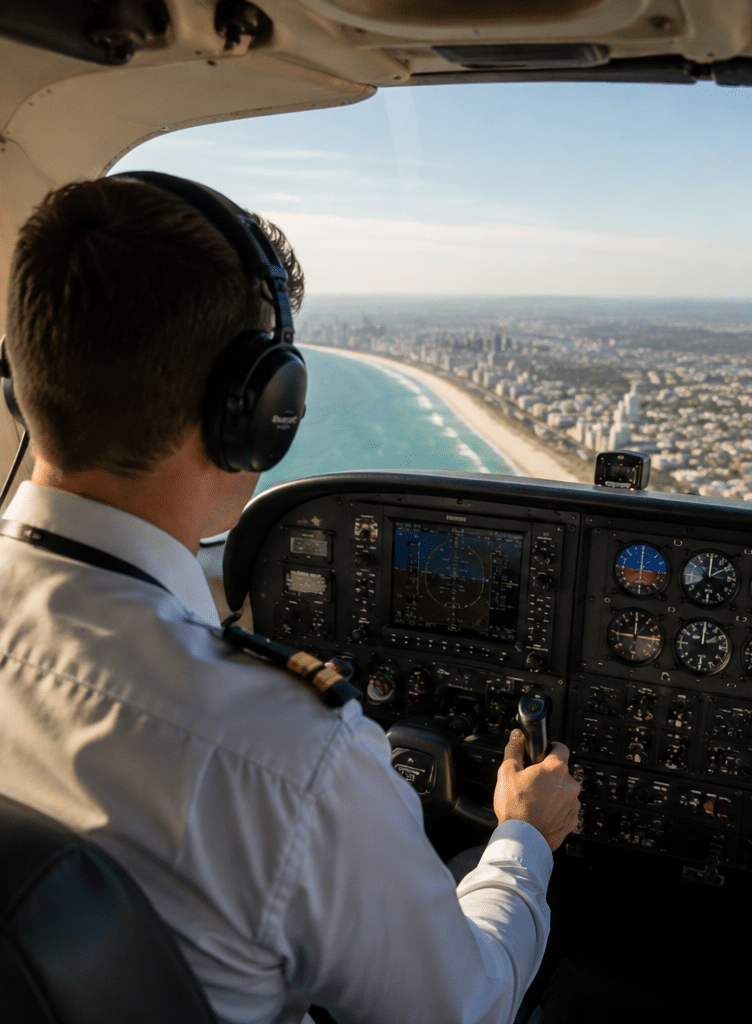
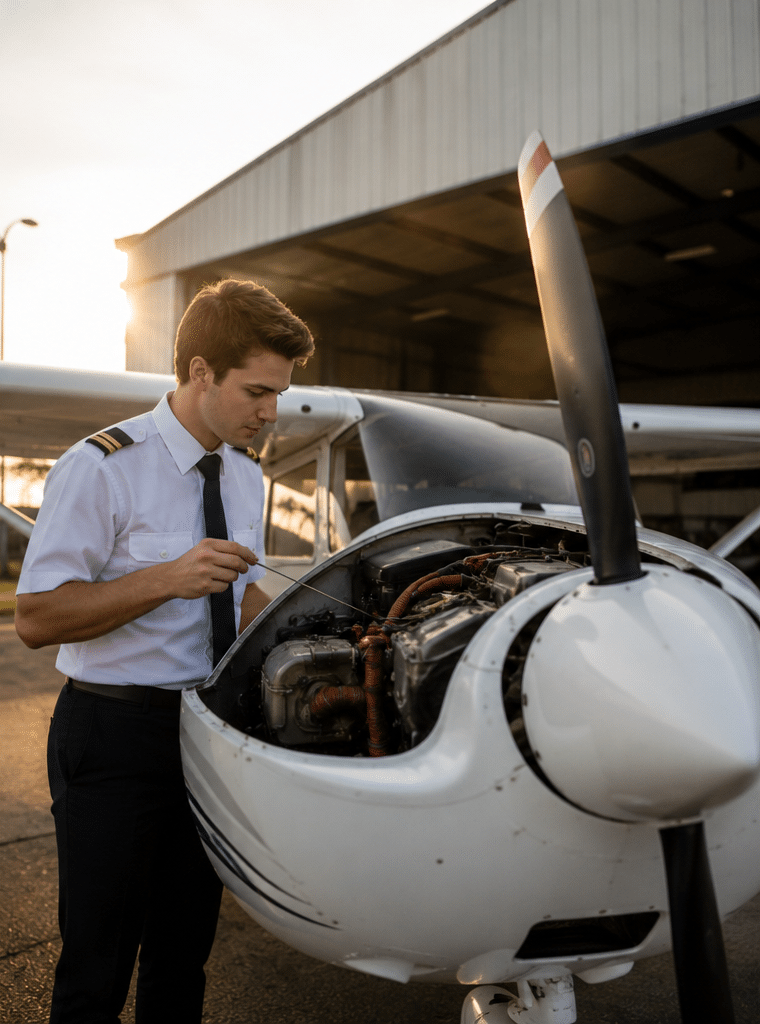
Pilot Training Melbourne: Essential Guide for Australian Students

If you are searching for pilot training in Melbourne, you are probably comparing flight schools, licence pathways, aircraft, costs, schedules and career options at the same time. That can feel exciting, but also confusing. Melbourne is a strong place to start because students can train in real Australian weather, busy radio environments, controlled airspace procedures and varied Victorian flying conditions. However, the best pathway depends on your goal: recreational flying, private flying, commercial aviation, airline preparation or international licence conversion.

This guide explains the main choices in plain English. It also uses Australian aviation terms, so you can ask better questions before you enrol.

pilot training melbourne

Table of Contents

  1. What pilot training Melbourne means
  2. Why train in Melbourne, Australia?
  3. Main licence pathways for pilot training Melbourne
  4. RPL, PPL and CPL explained
  5. Integrated vs non-integrated flight training
  6. Medical, English and admin requirements
  7. Onshore Melbourne training vs offshore training
  8. How to choose a Melbourne flight school
  9. Pilot training Melbourne onboarding checklist
  10. Common training mistakes to avoid
  11. People Also Ask
  12. Expert Q&A
  13. Conclusion

What Is Pilot Training Melbourne?

Pilot training Melbourne is flight and ground training delivered in or around Melbourne, Victoria, to help students work towards CASA-recognised Australian pilot licences such as RPL, PPL or CPL. It usually combines aircraft lessons, simulator practice, theory subjects, exams, medical checks, English requirements and flight tests.

Why Pilot Training Melbourne Is a Smart Starting Point

Pilot training Melbourne gives students access to a realistic Australian aviation environment. Instead of learning only in quiet skies, you may practise radio calls, circuit discipline, weather decisions and navigation planning in conditions that reflect day-to-day general aviation.

That matters because flying is not just aircraft handling. It is decision-making. For example, you must learn when to continue, delay, divert or cancel a flight. Melbourne’s changeable weather can teach that lesson early, which is helpful for safe pilots.

In practice, students who progress well usually do three things. First, they understand the licence pathway before they start. Second, they keep theory moving alongside flying. Finally, they budget for revision flights, exam attempts, medical timing and weather delays.

In Australia, pilot licensing sits under the Civil Aviation Safety Authority, commonly called CASA. CASA lists recreational, private, commercial and air transport pilot licences, as well as aviation medicals, English language standards and pilot exams, so students should use official CASA pages when checking requirements. CASA pilot licences are the best starting point for understanding the licence ladder.

Pilot Training Melbourne Pathways: Start With Your Goal

Before choosing a school, define your end goal. This one decision affects your course type, medical certificate, timetable, aircraft choice and total budget.

If you want to fly for enjoyment, you may start with a Recreational Pilot Licence, often called an RPL. If you want to carry passengers privately, fly longer cross-country trips and build broader skills, a Private Pilot Licence, or PPL, may suit you. However, if you want aviation as a career, you will usually plan towards a Commercial Pilot Licence, or CPL.

The key point is that pilot training Melbourne is not one single course. It is a pathway. Therefore, a good school should ask why you want to fly before recommending a training plan.

Recreational Pilot Licence

An RPL is often the first milestone for local students. It can suit people who want to fly smaller aircraft in local areas before expanding privileges with endorsements.

For many beginners, an RPL helps build confidence. You learn core aircraft handling, circuits, take-offs, landings, emergency procedures and basic navigation thinking. However, it is not the same as a full private or commercial licence.

Private Pilot Licence

A PPL is a popular option for students who want more freedom. It can support private travel, family flying and more advanced navigation. It also gives you a stronger foundation if you later decide to move towards commercial training.

A PPL requires both theory and flight training. You should expect to learn meteorology, navigation, aircraft performance, air law, human factors and operational decision-making. As a result, the PPL is not only about “getting more hours”; it is about becoming a safer pilot in more varied situations.

Commercial Pilot Licence

A CPL is the usual target for students who want to be paid to fly. It is more demanding because commercial pilots must demonstrate higher standards of accuracy, planning, workload management and judgement.

CASA explains that aeroplane CPL experience requirements differ between integrated and non-integrated training. For aeroplanes, CASA lists 150 hours of aeronautical experience for an integrated CPL course and 200 hours for a non-integrated CPL course, with detailed conditions for pilot-in-command, cross-country and instrument time.

That difference is important. A shorter minimum hour requirement does not automatically mean a lower total cost or a better outcome. Instead, compare structure, timetable, aircraft access, instructor continuity and your personal learning style.

RPL, PPL and CPL in Plain English

Here is a simple way to think about the main stages of pilot training in Melbourne.

Licence or stageBest forTypical learning focusImportant note
Trial introductory flightFirst-time studentsBasic controls, school fit, instructor styleNot a licence, but useful before committing
RPLLocal recreational flyingHandling, circuits, local-area operationsCan be a stepping stone
PPLPrivate travel and broader flyingNavigation, passengers, cross-country planningStrong foundation for later CPL
CPLCareer flyingCommercial accuracy, advanced planning, higher standardsRequires serious theory and time commitment
Ratings and endorsementsSkill expansionInstrument, instructor, multi-engine or other privilegesAdded after core licence stages

This table is simplified, but it helps you avoid a common mistake: enrolling in the wrong course because it sounds cheaper or faster. Instead, match the course to your flying goal.

For example, a future airline student should think differently from someone who wants weekend flying around Victoria. Both may begin in a similar aircraft, but their training plans should not be identical.

Integrated vs Non-Integrated Pilot Training in Melbourne

One of the biggest choices is integrated versus non-integrated training.

Integrated training combines ground theory and flight training in a structured program. It is usually more intensive. CASA notes that in an integrated CPL course, students complete ground theory with practical flight training at the same time, while non-integrated training involves more practical flight training and takes longer.

Non-integrated training can suit students who need flexibility. For example, you may be working full-time, studying part-time or balancing family commitments. However, slower training can sometimes increase revision needs, especially if long gaps appear between flights.

Which Is Better?

Neither pathway is automatically better. Instead, the right choice depends on your timetable, budget, learning style and career deadline.

Integrated pilot training Melbourne may suit students who want a structured timetable and can commit to regular study. Non-integrated training may suit students who want to pay progressively and learn around work.

However, consistency matters in both. Flying once every few weeks can slow progress because each lesson may start with revision. Therefore, even flexible students should aim for regular lessons where possible.

CASA, Part 141 and Part 142: What Students Need to Know

Australian flight training is regulated. That is good for students because training organisations must operate within recognised aviation rules and approvals.

CASA explains that flight training organisations need approval to conduct most flight training activities, and those approvals can include Part 141 certificates, Part 142 approvals, an Air Operator’s Certificate with a Part 142 authorisation, or a combination. Part 141 generally covers non-integrated RPL, PPL and CPL training, while Part 142 covers integrated and multi-crew training activities.

For non-experts, this can sound technical. In simple terms, these approvals relate to what kind of training an organisation is authorised to deliver. When comparing schools, ask what approvals apply to the course you want, not just whether the school “does flight training”.

This is an administrative and safety question, not legal advice. If you need visa, migration or qualification-recognition guidance, use official government sources and qualified advisers.

Medical Requirements for Pilot Training in Melbourne

Medical planning should happen early. Do not leave it until you are close to solo flying.

CASA states that student pilots learning to fly must have a Class 2 or Basic Class 2 medical certificate before they can fly solo. CASA also states that a Class 2 medical certificate is required to exercise RPL and PPL privileges, while private and recreational pilots may be able to use Basic Class 2 for some operations. CASA aviation medical certificate guidance explains the certificate classes and validity periods.

Basic Class 2 can be attractive because the process may be simpler. However, CASA notes that Basic Class 2 has restrictions, including private day VFR operations, below 10,000 feet, piston-engine aircraft, maximum five passengers and no use of operational ratings such as instructor or instrument ratings.

Therefore, career-minded students should ask the school which medical pathway best fits their long-term plan. If you aim for CPL or airline training, medical timing is especially important.

Aviation English Requirements

Clear English matters in aviation because pilots use radio calls, standard phraseology and time-critical instructions.

CASA says pilots must meet English language requirements to use an aeronautical radio, and Aviation English Language Proficiency assesses verbal English and aviation terminology. CASA also lists AELP as required for licences including PPL, CPL and ATPL.

For international students, this is not just a paperwork item. It affects safety and confidence. During pilot training Melbourne, you will hear fast radio calls, local place names, taxi instructions, circuit sequencing and weather information. Therefore, build aviation listening practice into your preparation.

International Students and CRICOS

International students should check course eligibility carefully. Australia’s international education system has specific registration rules.

Study Australia explains that education and training providers must be registered on CRICOS to deliver education services to international students on a student visa. It also notes that CRICOS-registered providers must meet ESOS Act and National Code requirements. Study Australia education governance guidance is a useful official source for understanding this system.

If you are applying from overseas, ask whether the course is suitable for your visa circumstances. Also ask what support is available for enrolment documents, health cover, orientation, accommodation and arrival planning. This is administrative guidance only, not migration advice.

Melbourne Weather, Airspace and Real-World Training Value

One reason students search for pilot training Melbourne is the real-world training environment. Victoria can offer varied weather, coastal influences, changing winds and busy airspace procedures. As a result, students can learn practical judgement, not just textbook answers.

Weather delays can be frustrating. However, they are part of aviation. A cancelled lesson can still become a useful ground session if the school uses the time well.

For example, you can review weather forecasts, NOTAMs, weight and balance, fuel planning, radio procedures or exam topics. Airservices Australia explains that NAIPS processes and stores meteorological and NOTAM information and provides briefing products and services for pilots and Australian air traffic control.

Good training teaches you to respect weather, not fear it. Therefore, ask how your school uses non-flying days productively.

Onshore Pilot Training in Melbourne vs Offshore Training

Some students compare Australia with lower-cost offshore locations. Cost matters, but it should not be the only factor.

FactorOnshore Pilot training in MelbourneOffshore training first
Licence alignmentDirectly aligned with Australian CASA pathwaysMay require conversion or extra checks
Weather exposureReal Victorian and Australian operating conditionsDepends on country and region
Radio environmentAustralian phraseology and local proceduresMay differ from Australian operations
Support networkEasier for local students and Australian-based career planningCan be harder if family or work is in Australia
Cost controlMay look higher upfront, but fewer conversion surprisesMay look cheaper, but conversion costs can add up
Career relevanceStrong for students wanting Australian aviation familiarityUseful in some cases, but verify recognition
Admin complexityLocal documents and CASA pathwayPossible licence conversion and extra paperwork

Offshore training can be valid for some students. However, compare the full pathway, not only hourly aircraft rates. You should include conversion requirements, travel, accommodation, medicals, exams, time away from work and the cost of returning to Australian procedures.

For many students, pilot training Melbourne provides clearer alignment with Australian flying from day one.

How to Choose a Pilot Training School in Melbourne

Choosing a flight school is not just about the newest aircraft or the lowest hourly rate. A good school should be transparent, organised and realistic.

Ask how training is scheduled. Ask how often students fly. Ask what happens when a class is canceled due to weather. Ask whether theory is integrated with flying or treated as your problem alone.

Also ask about instructor continuity. Students often progress faster when they fly regularly with instructors who understand their strengths, weaknesses and learning style.

Questions to Ask Before You Enrol

Ask these questions before paying a deposit:

  1. Which licence pathway fits my goal: RPL, PPL, CPL or another pathway?
  2. Is the course integrated or non-integrated?
  3. What CASA approvals apply to this training?
  4. What aircraft types will I train on?
  5. How often should I fly each week to progress efficiently?
  6. What theory subjects should I start first?
  7. What medical certificate do I need, and when?
  8. What costs are not included in the advertised estimate?
  9. How are weather cancellations handled?
  10. What support is available for exams and flight test preparation?

These questions reveal how the school communicates. If answers are vague, keep asking until the pathway is clear.

Pilot Training in Melbourne – Cost Factors

Flight training costs vary because students learn at different speeds. Any school that promises one guaranteed total should be treated carefully.

Your final cost can be affected by aircraft type, instructor rates, landing fees, theory materials, exam attempts, medicals, headsets, uniforms, accommodation, transport and revision flights. Weather and student availability also matter.

The cheapest hourly aircraft rate is not always the cheapest outcome. For example, poor scheduling can create long gaps. Long gaps can create revision. Revision adds cost.

Therefore, compare value, not only price. A slightly higher hourly rate may be worthwhile if the school offers better structure, reliable aircraft availability and strong instructor support.

Pilot Training Melbourne Onboarding Checklist

Use this numbered checklist before starting your first serious course.

  1. Define your flying goal. Decide whether you want recreational flying, private travel or a commercial aviation career.
  2. Book a trial flight. Use it to assess comfort, school culture and instructor communication.
  3. Choose your pathway. Confirm whether RPL, PPL or CPL is the right first major goal.
  4. Check medical timing. Start your medical process before solo training becomes urgent.
  5. Confirm English requirements. Plan aviation English support if needed.
  6. Review CASA approvals. Ask what approvals apply to your course type.
  7. Plan theory study. Do not leave exams until your flying gets ahead of your knowledge.
  8. Build a realistic budget. Include equipment, exams, transport, revision and weather delays.
  9. Set a weekly schedule. Regular lessons usually produce better retention.
  10. Track progress. Keep notes after every flight, including weaknesses to revise before the next lesson.

This checklist helps you start with fewer surprises. More importantly, it gives you control over your training.

Common Pilot Training Mistakes 

The first mistake is choosing a school only by price. Price matters, but training quality, aircraft access, instructor support and course structure matter too.

The second mistake is delaying theory. Students often enjoy flying more than studying, which is understandable. However, theory supports better decisions in the aircraft.

The third mistake is ignoring medical requirements. A delayed medical can interrupt momentum, especially before the first solo.

The fourth mistake is flying too irregularly. If you train once a month, you may spend too much time relearning. Consistency usually improves confidence and reduces wasted revision.

Finally, some students fail to ask enough questions. Aviation has many acronyms, but you do not need to pretend you understand everything. A good instructor should explain clearly.

People Also Ask About Pilot Training in Melbourne

How long does pilot training in Melbourne take?

It depends on your licence goal, availability, weather and study pace. A recreational or private pathway can be part-time, while commercial training is more structured and demanding. Students who fly consistently usually progress more smoothly than those with long gaps.

Is Melbourne a good place to learn to fly?

Yes, Melbourne can be a strong training location because students experience real Australian weather, radio procedures and varied operating conditions. However, the best result depends on choosing a suitable school, flying regularly and keeping theory on track.

What licence do I need to become a commercial pilot in Australia?

Most career students work towards a Commercial Pilot Licence after building the required skills, theory knowledge and flight experience. CASA’s CPL requirements include minimum aeronautical experience, with different hour requirements for integrated and non-integrated aeroplane training.

Do I need a medical before starting pilot training in Melbourne?

You can usually begin early lessons before completing every medical step, but you need the correct medical before solo flight. CASA says student pilots must have a Class 2 or Basic Class 2 medical certificate before they can fly solo.

Can international students do pilot training in Melbourne?

Yes, but international students should confirm course, visa and CRICOS requirements before enrolling. Study Australia states that providers must be CRICOS registered to deliver education services to international students on a student visa.

Expert Q&A: Pilot Training Melbourne

1. Should I complete theory before flying?

Not always, but you should not ignore theory. Many students do best when theory and flying support each other. For example, navigation theory becomes more meaningful when you are planning actual Victorian training routes.

2. How many lessons per week are ideal?

For steady progress, many students aim for two or more training activities per week, depending on budget and availability. These can include flights, simulator sessions or ground briefings. The main goal is to reduce long gaps that weaken retention.

3. What should I look for during a trial introductory flight?

Notice how the instructor explains procedures, handles your questions and manages safety. Also notice the school’s organisation, aircraft presentation and post-flight briefing. A trial flight is not only about the view; it is your first look at the training culture.

4. Is an integrated CPL always faster?

Integrated CPL training is designed to be structured and efficient, but “faster” depends on your commitment, theory progress, aircraft availability and weather. It can be a good fit for full-time students. However, non-integrated training may suit students who need flexibility.

5. What equipment do I need at the start?

At first, you may only need basic study materials, a logbook, suitable clothing, sunglasses and a headset plan. Do not buy everything immediately. Instead, ask your school which headset, tablet apps, charts and kneeboards suit their aircraft and procedures.

Conclusion: Plan Your Pilot Training in Melbourne Pathway Carefully

Pilot training in Melbourne can be a rewarding way to start flying in Australia. However, your results depend on more than enthusiasm. You need the right licence pathway, suitable medical planning, clear theory progress, consistent flying and a school that communicates well.

Start by defining your goal. Then compare RPL, PPL and CPL pathways, ask about CASA approvals, check medical requirements and build a realistic budget. Most importantly, choose training that prepares you for safe, confident decision-making in Australian conditions.

To explore structured flight training options and take the next practical step, visit Melbourne pilot training pathways with Learn To Fly

Pilot Training Melbourne Australia: A Practical Guide for Future Pilots

If you searched for pilot training in Melbourne, Australia, you are probably comparing flight schools, licence pathways, costs, timeframes, and whether Melbourne is the right place to begin. The good news is that Australia has a structured flight training system, regulated by the Civil Aviation Safety Authority, known as CASA. The harder part is knowing which licence, training model, and school environment best match your goals.

From my experience reviewing Australian flight training pathways, the students who progress most smoothly are rarely the ones who simply choose the cheapest hourly rate. Instead, they understand the full pathway before they enrol. They ask about medicals, theory exams, instructor availability, aircraft scheduling, weather delays, and what happens after the first solo.

This guide explains pilot training in Melbourne, Australia in plain English. It covers recreational, private, and commercial pathways, plus the administrative steps that local and international students usually need to consider. It is practical information, not legal or migration advice.

Pilot training in Melbourne, Australia is the process of learning to fly in Melbourne under Australia’s CASA-regulated system. Students complete ground theory, supervised flying, medical and English checks, exams, and a flight test before earning licences such as RPL, PPL, or CPL for recreational, private, or commercial flying.

pilot training melbourne australia

Table of Contents

  1. What pilot training melbourne australia means
  2. Why Melbourne is a practical aviation training location
  3. Licence pathways for pilot training melbourne australia
  4. Part 141 vs Part 142 flight training in Australia
  5. Onshore vs offshore preparation
  6. Costs and budgeting for flight training
  7. International students and administrative planning
  8. Melbourne flying conditions and safety habits
  9. How to choose a flight school
  10. Pilot training melbourne australia onboarding checklist
  11. Common mistakes to avoid
  12. People Also Ask
  13. Expert Q&A
  14. Conclusion

What pilot training melbourne australia means

Pilot training in Melbourne, Australia means learning to fly through a CASA-recognised pathway. CASA lists the main pilot licence categories, including Recreational Pilot Licence, Private Pilot Licence, Commercial Pilot Licence, Air Transport Pilot Licence, and international licence pathways. For a full official overview, check the CASA pilot licence information.

In simple terms, flight training has three parts. First, you learn the theory: air law, navigation, meteorology, aerodynamics, aircraft systems, human factors, and flight planning. Next, you build practical flying skills with an instructor. Finally, you complete assessments, exams, and flight tests.

However, pilot training in Melbourne, Australia is not only about flying hours. It also includes medical certification, English language requirements, logbook records, aviation security checks, and applications through CASA systems. These steps are administrative, but they matter because they affect when you can sit a flight test and when your licence can be issued.

Why Melbourne is a practical aviation training location in Australia

Melbourne is a strong training location because it gives students exposure to real Australian aviation conditions. Depending on the school and airport, students may experience busy circuit traffic, controlled airspace procedures, coastal weather, regional navigation routes, and cross-country planning. This mix can help build confidence early, provided training is structured and supervised.

Moorabbin Airport is especially well known in Victoria’s general aviation community. Moorabbin Airport describes itself as a leading general aviation flight training airport in Victoria, which is one reason many students look around Melbourne’s south-east when comparing flight schools.

Moreover, Melbourne weather teaches useful discipline. Students learn to read forecasts, watch wind, check cloud base, and understand why a safe “no-go” decision is part of good airmanship. The Bureau of Meteorology provides aviation weather services for Australian aviation users, including observations, forecasts, warnings, and advisories; it also notes that flight planning information should be obtained through Airservices Australia.

Therefore, pilot training in Melbourne, Australia can be valuable for both local and international students. You are not just learning to pass a test. You are learning to operate within a real aviation environment.

Licence pathways for pilot training melbourne australia

Most students begin by choosing between three common goals: flying for fun, flying privately, or flying professionally. In Australia, those goals usually align with RPL, PPL, and CPL pathways.

LicenceBest suited toKey CASA requirementsPractical student note
Recreational Pilot Licence, RPLLocal recreational flying and early skill buildingCASA says an RPL allows unsupervised flight in a light, single-engine aircraft. Applicants must be at least 16 and meet English and medical requirements for the flight test.A good first milestone. It can help you build confidence before deciding whether to continue with PPL or CPL.
Private Pilot Licence, PPLPrivate flying, cross-country trips, and non-commercial aviationCASA says PPL applicants must be at least 17, meet English requirements, hold an acceptable medical certificate, train with a Part 141 or Part 142 operator, pass theory, complete minimum experience, pass a flight test, complete an aviation security check, and apply through CASA.The PPL is often the “freedom” licence. It adds navigation and broader private flying privileges.
Commercial Pilot Licence, CPLCareer pathways such as charter, instructing, survey, and later airline progressionCASA says CPL applicants must be at least 18, complete theory exams, train with a Part 141 or Part 142 operator, meet aeronautical experience requirements, pass the flight test, and meet medical certificate requirements.The CPL is a professional baseline, not an airline job guarantee. Many pilots add ratings, endorsements, and experience after CPL.

A key point is that minimum hours are not the same as a realistic training plan. For example, CASA lists aeroplane PPL minimum aeronautical experience as 35 hours for an integrated course and 40 hours for a non-integrated course. For aeroplane CPL, CASA lists 150 hours for integrated training and 200 hours for non-integrated training.

In practice, some students need extra hours because of weather, exam timing, aircraft availability, skill consolidation, or personal schedule gaps. That is normal. A good school should explain this before you commit.

Part 141 vs Part 142 flight training in Australia

When comparing pilot training Melbourne Australia options, you will often see “Part 141” and “Part 142”. These are CASA flight training approval categories.

For PPL and CPL training, CASA explains that flight training courses may be delivered as intensive integrated courses through Part 142 flight training operators or non-integrated courses through Part 141 flight training operators. CASA also notes that integrated training combines ground theory with practical flight training in a structured format, while non-integrated training can involve more practical flight time and may take longer.

You can verify providers through the CASA flight training operator search, which lists Part 141 and Part 142 certificate holders in Australia.

Which option is better?

Neither is automatically better. Instead, the right option depends on your goal.

An integrated Part 142 pathway may suit a student who wants a structured, full-time training plan. It can be useful for career-focused students because theory and flying are coordinated.

A non-integrated Part 141 pathway may suit a student who needs flexibility. For example, someone working full-time may prefer weekend lessons and a longer pathway.

However, structure matters in both models. A flexible course still needs clear milestones. Likewise, an intensive course still needs enough time for skill consolidation.

Onshore vs offshore preparation for pilot training melbourne australia

Some students start everything in Melbourne. Others, especially international students, prepare theory, documents, English, and budgeting before arriving. Both approaches can work.

PathwayAdvantagesChallengesBest for
Start fully onshore in MelbourneYou meet instructors, see aircraft, understand the airport, and build habits in the actual training environment.You may spend more time in Australia before your first major milestone if admin tasks are not ready.Local students, interstate students, and international students who want full immersion.
Prepare offshore, then train in MelbourneYou can organise documents, research licence pathways, study basic theory, and plan accommodation before arrival.You must be careful not to rely on outdated visa, course, or provider information.International students who want a smoother start after arrival.
Blended approachYou may complete introductory theory or school consultations before arriving, then fly onshore.You still need local briefings, CASA-aligned procedures, and supervised flight training.Students who want to reduce uncertainty before committing.

For international students, one important issue is whether the course and provider meet student visa requirements. CRICOS is the official Australian Government register listing education providers and courses available to people studying in Australia on student visas.

Costs and budgeting for pilot training melbourne australia

Flight training costs vary because students pay for more than aircraft time. A realistic budget should include aircraft hire, instructor time, briefings, landing fees, theory materials, exams, medical appointments, headset and equipment, licence application fees, possible retesting, and transport or accommodation.

Therefore, the cheapest advertised flying rate may not be the cheapest total pathway. A slightly higher hourly rate can sometimes be better value if the school has reliable scheduling, strong instructor continuity, clear briefings, and fewer avoidable delays.

When you request a quote, ask whether the price includes:

  • Pre-flight and post-flight briefings.
  • Theory support.
  • Landing fees and circuit charges.
  • Exam preparation.
  • Flight test preparation.
  • Study materials.
  • Uniform or equipment requirements.
  • GST, if applicable.
  • Re-sit or re-test costs.
  • Fuel surcharges or aircraft upgrade costs.

Also, ask the school to separate CASA minimums from realistic averages. This helps you plan without assuming every lesson will go perfectly.

From my experience, students often underestimate the cost of irregular training. If you fly once every six weeks, you may spend the first part of each lesson rebuilding skills. As a result, a consistent schedule can save money over time.

International students and administrative planning

International students considering pilot training melbourne australia should plan early. Visa rules, course enrolment, health insurance, work limits, and provider registration can change. The official Study Australia student visa guide explains that the Student visa subclass 500 allows study at an Australian education provider, may allow family members, and can permit work up to 48 hours per fortnight while the course is in session. It also says students need a Confirmation of Enrolment before applying and must maintain important conditions such as enrolment, attendance, course progress, address updates, and health insurance.

Study Australia also states that from 1 July 2025, student visa fees are from AUD$2,000 per application, unless exempt. Since fees and rules may change, students should verify the current amount before applying.

This is administrative information, not migration advice. If your situation is complex, use official government sources or speak with a registered migration agent. A flight school can explain course documents, but visa eligibility should be checked through the correct official channels.

Medicals, English, and CASA administration

Before investing heavily, think about medical eligibility. CASA explains that aviation medicals cover the medical exams and certificates pilots may need, including how to apply, renew, and find medical examiners.

For PPL, CASA says applicants need a medical certificate, and Class 1, Class 2, or Basic Class 2 can be relevant for taking the PPL flight test. For CPL, CASA says Class 1 is required to attempt the CPL flight test, while Class 1 or Class 2 may apply to flying an aircraft under stated limits.

You will also hear the term ARN. An Aviation Reference Number is a CASA identifier used for aviation administration. CASA provides information on how individuals and organisations can apply for an ARN.

In addition, PPL and CPL applicants need to meet aviation English language requirements and complete an aviation security status check as part of the licence application process.

Melbourne flying conditions and safety habits

Melbourne is a useful training environment because conditions can change. A calm morning can become a windy afternoon. Coastal influence can affect clouds and visibility. Busy training circuits can also demand strong radio discipline.

That is why good pilot training programmes in Melbourne, Australia, should teach decision-making, not just handling skills. A safe student learns to ask:

  • Is the weather suitable for my lesson objective?
  • Is the aircraft serviceable?
  • Do I understand the NOTAMs?
  • Is my flight plan realistic?
  • Am I current enough for this exercise?
  • Do I need more briefing before flying?

The Bureau of Meteorology states that its Aviation Weather Service provides forecasts, warnings, observations, and advisories for aviation users. It also says flight planning information should be obtained from Airservices Australia, which is the official provider of the Aeronautical Information Service delivering Bureau aviation meteorological products.

For a beginner, terms such as METAR, TAF, NOTAM, and area forecast can feel overwhelming. However, they become normal with guided practice. The important point is that weather and briefing discipline should be taught from the start, not added after solo.

How to choose a flight school in Melbourne Australia

Choosing a school is a major decision. A good school should be transparent about the pathway, not just the dream. It should explain how lessons are scheduled, how progress is tracked, and how students are supported when they struggle.

When comparing schools, ask these questions:

  • Is the school approved for the licence pathway I want?
  • Are training plans written clearly?
  • How often can I realistically fly?
  • Will I have one main instructor or many rotating instructors?
  • What aircraft will I train in?
  • How are cancellations handled?
  • What theory support is available?
  • How are students prepared for exams and flight tests?
  • What happens if I need extra lessons?
  • Can I speak with current or former students?

Also, look closely at safety culture. A strong safety culture is not just posters on a wall. It shows up when instructors encourage questions, explain risks clearly, and support conservative decisions.

Pilot training melbourne australia onboarding checklist

Use this checklist before you commit to a course.

  1. Define your end goal. Decide whether you want recreational flying, private flying, or a professional pilot pathway.
  2. Book an introductory discussion. Ask the school to explain RPL, PPL, CPL, and any advanced ratings in plain English.
  3. Check CASA pathway requirements. Confirm age, English, medical, theory, training, flight test, and application steps for your licence goal.
  4. Apply for an ARN if needed. This helps you begin CASA-related administration.
  5. Discuss medical timing. Do not leave medical questions until late in training, especially if you want CPL.
  6. Ask for a written cost breakdown. Separate minimum-hour estimates from realistic completion planning.
  7. Confirm aircraft and instructor availability. Consistency matters, especially before first solo and flight tests.
  8. Plan theory study. Theory should support flying, not lag behind it.
  9. Build a weekly or fortnightly schedule. Regular flying usually improves skill retention.
  10. Review progress after each milestone. After the first solo, RPL, PPL, or CPL theory, update your plan.

CASA’s PPL and CPL guidance shows that training, theory exams, English assessment, minimum flying experience, flight tests, aviation security checks, and CASA applications are all part of the formal licensing pathway.

Common mistakes to avoid

The first mistake is choosing a school on price alone. Price matters, but poor scheduling can increase total cost.

The second mistake is delaying theory. Flying is more meaningful when you understand why each exercise matters.

The third mistake is ignoring medical planning. For career students, a late medical issue can disrupt the entire pathway.

The fourth mistake is flying too infrequently. Long gaps can reduce confidence and increase revision time.

Finally, some students focus only on the licence and forget the habits. Good pilots build habits around planning, weather, radio calls, checklist discipline, and honest self-assessment.

People Also Ask About pilot training melbourne australia

How long does pilot training in Melbourne Australia take?

It depends on the licence, training frequency, weather, aircraft availability, and exam progress. A recreational pathway can be much shorter than a commercial pathway, while CPL training requires substantially more experience and theory. CASA minimum hours provide a baseline, but many students should plan for extra time.

How much does pilot training in Melbourne, Australia cost?

There is no single fixed cost because schools charge differently and students progress at different rates. Ask for a written quote that includes aircraft hire, instructor time, briefings, theory, exams, landing fees, equipment, and likely extra training. Treat any cost figure as an estimate unless it is a formal school quote.

Do I need a medical certificate before my first flight lesson?

Usually, you can take an introductory flight before completing a full aviation medical. However, you should discuss medical requirements early if you plan to sit a flight test or pursue CPL. CASA sets medical certificate requirements for different licence levels and flight tests.

Can international students do pilot training in Australia?

Yes, international students can study in Australia if they meet visa, enrolment, provider, and course requirements. For student visa purposes, check CRICOS, obtain the correct enrolment documents, and verify conditions through official sources.

Is Melbourne good for airline pilot training?

Melbourne can be a strong starting point because students may train around active general aviation environments, controlled airspace procedures, and variable weather. However, airline readiness usually requires more than a CPL. Many pilots add instrument ratings, multi-engine experience, instructor ratings, further theory, and interview preparation.

Expert Q&A About pilot training melbourne australia

1. Should I complete RPL before PPL?

For many students, yes. RPL can be a useful stepping stone because it builds confidence and gives you an early achievement. However, if your goal is PPL or CPL and your school recommends a direct pathway, that can also work.

2. What is the biggest difference between PPL and CPL training?

PPL is designed for private operations, while CPL is for pilots who want to fly for work. CASA states that CPL applicants need theory exams, Part 141 or Part 142 flight training, minimum aeronautical experience, a flight test, and medical requirements.

3. How important is instructor continuity?

It is very important, especially in early training. One main instructor can understand your habits, strengths, and weak areas. However, occasional flights with another instructor can also help because you receive a fresh perspective.

4. What should I ask before paying a deposit?

Ask whether the deposit is refundable, what it covers, how scheduling works, how aircraft maintenance affects bookings, and whether the school provides written training milestones. Also ask how progress is recorded and how often you receive feedback.

5. What comes after a Commercial Pilot Licence?

After CPL, many pilots pursue additional qualifications such as a multi-engine class rating, instrument rating, flight instructor rating, or airline-focused preparation. CASA’s pilot licence information also points to ratings, reviews, endorsements, and further licensing resources, so students should map the post-CPL pathway early.

Conclusion

Pilot training in Melbourne, Australia is a serious investment, but it can be one of the most rewarding pathways you ever start. Melbourne offers a practical environment for learning, and Australia’s CASA-regulated system gives students a clear structure from RPL through PPL and CPL.

However, the best results come from planning. Understand the licence pathway, confirm medical and English requirements, compare Part 141 and Part 142 options, check the real cost breakdown, and choose a school that communicates clearly.

To take the next step, explore your options with structured pilot training support from Learn To Fly Melbourne and ask for a pathway that matches your goals, availability, and budget.

Cost of Pilot Training in Melbourne: Essential Guide for Australia

If you are researching the cost of pilot training in Melbourne, you are probably trying to answer one practical question: “How much money do I need before I can realistically start flying?” In Australia, the answer depends on your goal, your licence pathway, your training pace, your aircraft choice, and how well you prepare between lessons.

Melbourne is one of Australia’s strongest flight training locations because students can train around busy general aviation environments, structured airspace, coastal weather, and real radio procedures. Moorabbin Airport, for example, describes itself as Victoria’s leading general aviation flight training airport, which makes it a familiar starting point for many student pilots in Melbourne.

pilot training melbourne cost

What Is the Cost of Pilot Training in Melbourne?

Pilot training Melbourne cost usually ranges from about $15,000–$25,000 for a Recreational Pilot Licence, $25,000–$45,000+ for a Private Pilot Licence pathway, and $80,000–$120,000+ for a Commercial Pilot Licence pathway. Final costs vary by aircraft, lesson frequency, theory progress, weather, exams, medicals, and extra practice.

Table of Contents

  1. Why Pilot Training Melbourne Cost Varies
  2. Pilot Licence Pathways in Australia
  3. Pilot Training Melbourne Cost by Licence Type
  4. What Is Included in Flight Training Costs?
  5. Hidden and Often-Forgotten Costs
  6. Onshore vs Offshore Pilot Training Cost Comparison
  7. Checklist: How to Budget Before You Start
  8. How to Reduce Your Pilot Training Melbourne Cost
  9. People Also Ask
  10. Q&A: Expert Answers on Pilot Training Melbourne Cost
  11. Conclusion

Why Cost of Pilot Training in Melbourne Varies

The first thing to understand is that flight training is not priced like a normal classroom course. You are paying for aircraft hire, instructor time, fuel, maintenance, insurance, airport charges, briefing time, simulator use, theory support, exams, and flight tests.

Therefore, two students can enrol in the same course and finish with different totals. One student may complete each milestone near the minimum hours. The other may need extra consolidation flights because they train irregularly, take long breaks, or struggle with radio calls, navigation, landings, or weather decision-making.

The Civil Aviation Safety Authority, known as CASA, sets licensing and safety requirements in Australia. CASA says a pilot licence pathway generally requires a current medical certificate appropriate to the licence, theory exams, relevant flight training, minimum flying hours, and a flight test.

That means the cost of pilot training in Melbourne is best understood as a budget range, not a fixed promise.

The biggest cost drivers

The main cost drivers are:

  • Aircraft type and hourly rate
  • Dual instruction hours
  • Solo practice hours
  • Simulator hours, where applicable
  • Ground theory support
  • Exam and flight test fees
  • Airport landing and navigation charges
  • Training frequency
  • Weather delays
  • Student preparation between lessons

From my experience reviewing flight training budgets, the students who manage costs best are not always the fastest learners. Instead, they are usually the most consistent. They fly regularly, revise theory before each lesson, arrive prepared, and ask early when something is unclear.

Pilot Licence Pathways in Australia

Before comparing the cost of pilot training in Melbourne, you need to know which licence you are aiming for.

Australia’s common aeroplane pathway is:

  1. Trial introductory flight
  2. Recreational Pilot Licence, or RPL
  3. Private Pilot Licence, or PPL
  4. Commercial Pilot Licence, or CPL
  5. Optional ratings, such as instrument, multi-engine, instructor, or night VFR

CASA provides official information on Australian pilot licence types through its pilot licences guidance. That guidance is important because licence privileges affect both cost and career planning.

Recreational Pilot Licence

The RPL is the entry-level licence for many students. CASA says an RPL allows you to fly a light, single-engine aircraft as pilot in command without supervision. To obtain an RPL, students must meet requirements including age, English, medical, theory, training, at least 25 flying hours, and an RPL flight test. CASA breaks those 25 hours into 20 hours dual and 5 hours pilot-in-command.

The RPL is suitable if you want to fly recreationally, build confidence, or begin a staged pathway to the PPL or CPL.

Private Pilot Licence

The PPL gives more freedom. CASA says a PPL lets you command or co-pilot an aircraft in a private operation and do flying training. For aeroplane students, CASA lists 35 hours for an integrated course and 40 hours for a non-integrated course as minimum aeronautical experience, although it also notes that an average student often qualifies for a PPL after 55–60 flying hours.

This difference matters for pilot training in Melbourne cost because budgeting only for minimum hours may leave you short.

Commercial Pilot Licence

The CPL is the pathway if you want to be paid to fly. CASA says a CPL is required to fly an aircraft for work purposes and requires theory exams, training with a Part 141 or Part 142 operator, minimum aeronautical experience, a flight test, and an appropriate medical certificate. For aeroplane CPL training, CASA lists 150 hours for integrated training and 200 hours for non-integrated training.

Because of those hours, the CPL is usually the largest training investment.

Pilot Training Melbourne Cost by Licence Type

The following figures are practical planning estimates for Melbourne students in 2026. They are not quotes. Actual fees should always be confirmed with your chosen training provider before enrolment.

Training goalTypical purposeIndicative Melbourne budgetWhy the range varies
Trial introductory flightFirst experience before enrolment$150–$400Aircraft type, duration, instructor time
RPL pathwayRecreational flying and first licence milestone$15,000–$25,000Extra landing practice, aircraft type, test readiness
PPL pathwayPrivate navigation and broader flying privileges$25,000–$45,000+RPL foundation, navigation hours, theory, flight test
CPL pathwayProfessional pilot training$80,000–$120,000+Integrated vs non-integrated, aircraft mix, theory, tests
Instrument or advanced ratingsCareer progression after CPL/PPLVaries widelySimulator use, multi-engine aircraft, rating complexity

The best way to estimate the cost of pilot training in Melbourne is to ask for an itemised quote. A useful quote should show aircraft hourly rates, instructor rates, assumed hours, theory inclusions, exam fees, flight test fees, landing fees, simulator use, uniform or materials, and payment timing.

What Is Included in Flight Training Costs?

A flight training bill is built from several parts. Understanding each part helps you compare schools fairly.

Aircraft hire

Aircraft hire is usually the largest line item. A modern training aircraft may cost more per hour than an older basic trainer, but it may also offer better avionics, comfort, reliability, and training continuity.

However, cheaper hourly hire does not always mean cheaper total training. For example, if an aircraft has limited availability, a student may train less often and need extra revision flights.

Instructor time

Dual instruction includes time in the aircraft with an instructor. Many schools also charge for pre-flight and post-flight briefings. These briefings are valuable because they explain the “why” behind each exercise.

For instance, a landing lesson is not just about touching down. It involves energy management, circuit spacing, radio calls, wind correction, runway judgement, and go-around decision-making.

Theory training

Theory can be self-paced, classroom-based, online, or blended. Although self-study may look cheaper, many students benefit from structured theory support, especially for air law, navigation, meteorology, aircraft performance, and human factors.

CASA lists theory exams as part of the licensing pathway, so theory should be treated as a core training cost, not an optional extra.

Exams and flight tests

Exam and flight test fees can add up. CASA’s CPL exam pages show individual exam fees and pass mark requirements, and CPL candidates must pass all required subjects within the relevant time window.

Therefore, a serious CPL budget should include theory preparation time, exam bookings, possible resits, and flight test readiness.

Medical and administration

Aviation medicals, English language checks, aviation reference numbers, security checks, and CASA applications are administrative steps. They are not legal advice topics; they are compliance and enrolment tasks that should be confirmed with your school, CASA, and any relevant licensed migration or education agent where applicable.

Hidden and Often-Forgotten Costs

When people search pilot training Melbourne cost, they often focus on flying hours. However, the hidden costs can be the difference between a smooth pathway and a stressful one.

Common forgotten items include:

  • Aviation medical appointment fees
  • Headset purchase or hire
  • Textbooks and online theory access
  • Charts, flight planning tools, or subscriptions
  • Landing fees at training airports
  • CASA exam fees
  • Flight test fees
  • Extra practice before tests
  • Transport to and from the airport
  • Accommodation if relocating to Melbourne
  • International student health cover, if applicable
  • Visa-related administration, where applicable
  • Time away from work

A safe budget includes a contingency. For RPL and PPL students, adding 10–20% above the quoted package can help cover delays, extra practice, or changes in aircraft availability. For CPL students, a larger contingency may be sensible because the course is longer and more complex.

Onshore vs Offshore Pilot Training Cost Comparison

Some students compare training in Australia with cheaper overseas options. However, cost is only one part of the decision.

FactorTraining in Melbourne, AustraliaTraining offshore
Licence alignmentDirectly aligned with CASA pathwayMay require conversion or extra checks
Airspace exposureAustralian radio, weather, procedures, and controlled airspaceMay differ from Australian operations
Cost certaintyHigher hourly cost, but fewer conversion unknownsLower advertised cost may hide conversion costs
Career relevanceStrong for students planning to work in AustraliaDepends on recognition and conversion
Support networkEasier if living in AustraliaMay require relocation and extra admin
Weather and operationsReal local conditions around VictoriaConditions vary by country
Best forStudents targeting Australian licences and local experienceStudents with clear conversion advice and budget buffers

For many Australian students, onshore training feels more expensive at first. However, it can reduce uncertainty because the training is already built around Australian rules, CASA expectations, local weather, and local radio procedures.

Checklist: How to Budget Before You Start

Use this numbered checklist before committing to any pilot training melbourne cost package.

  1. Choose your end goal. Decide whether you want recreational flying, private travel, or a professional pilot career.
  2. Confirm the licence pathway. Ask whether your training is RPL, PPL, CPL, integrated, or non-integrated.
  3. Ask for the assumed flying hours. Compare those hours with CASA minimums and realistic average completion ranges.
  4. Request an itemised quote. Separate aircraft hire, instructor fees, theory, exams, tests, landing fees, and materials.
  5. Check what is excluded. Ask about medicals, headsets, charts, airport fees, resits, extra flights, and cancellation policies.
  6. Plan your training frequency. Weekly or twice-weekly flying usually supports better retention than long gaps.
  7. Budget a contingency. Add a buffer for weather, illness, aircraft maintenance, and extra consolidation flights.
  8. Check funding options. Diploma-level training may have government loan pathways if the course and provider are eligible.
  9. Visit the school. Look at aircraft, simulators, briefing rooms, instructor availability, and student support.
  10. Book a trial flight. A trial lesson helps you confirm comfort, motivation, and fit before a major commitment.

Funding and Student Loan Considerations

For career students, funding can be a major part of the pilot training Melbourne cost conversation.

The Australian Government’s Department of Employment and Workplace Relations explains that VET Student Loans can help eligible students pay tuition fees for approved diploma-level and above VET courses at approved providers.

In addition, StudyAssist states that the 2026 HELP loan limit is $129,883 for most students and $186,544 for students studying medicine, dentistry, veterinary science, or eligible aviation courses with census dates in 2026.

However, a loan limit is not the same as automatic approval. Eligibility, course approval, census dates, provider approval, citizenship or residency status, and individual circumstances all matter. Therefore, students should confirm funding details directly with official government sources and their chosen provider.

How to Reduce Your Cost of Pilot Training in Melbourne

You cannot remove the genuine cost of safe flight training. However, you can reduce waste.

Fly consistently

Consistency is one of the simplest ways to control costs. If you fly once every six weeks, you may spend much of each lesson regaining confidence. If you fly weekly, your skills usually build faster.

Prepare before every lesson

Read the lesson notes. Watch approved training material. Review radio calls. Check weather. Know the objective before you arrive.

A prepared student uses paid aircraft time more efficiently.

Use simulators wisely

Simulators can be useful for procedures, checks, radio practice, instrument scans, and navigation flows. They do not replace all aircraft time, but they can make aircraft time more productive.

Ask for feedback early

If you are repeating the same error, ask your instructor to break it down. For example, poor landings may come from unstable approach speed, late flare timing, poor centreline tracking, or weak lookout. The fix depends on the cause.

Do theory alongside flying

Theory makes practical lessons easier. For example, meteorology helps you understand wind, turbulence, cloud, and visibility. Navigation theory helps you plan flights with less stress.

Choose the right aircraft

A premium aircraft may suit a career-minded student who wants modern avionics exposure. A simpler aircraft may suit early licence training. The cheapest option is not always best, but the most expensive is not always necessary.

People Also Ask

How much does it cost to become a pilot in Melbourne?

For planning, expect around $15,000–$25,000 for RPL, $25,000–$45,000+ for a PPL pathway, and $80,000–$120,000+ for CPL training. The final pilot training Melbourne cost depends on aircraft type, lesson frequency, theory progress, and how many extra hours you need.

Is Melbourne a good place to learn to fly?

Yes, Melbourne is a strong training location because students can experience real airspace, coastal weather, busy radio environments, and established aviation infrastructure. However, the right school, instructor fit, and training schedule matter more than location alone.

Can I pay for pilot training in instalments?

Many providers offer staged payments, pay-as-you-fly options, or package structures. Diploma-level aviation courses may also have government loan options if the course and provider are approved and the student is eligible.

What is the cheapest pilot licence in Australia?

The RPL is usually the lowest-cost CASA pilot licence pathway because it requires fewer hours than PPL or CPL. However, “cheapest” should not mean rushed; students still need safe competency, theory understanding, and test readiness.

Do I need a CPL to work as a pilot?

Yes, if you want to fly for work purposes, you generally need a CPL or higher qualification appropriate to the operation. CASA states that a CPL is required if you would like to fly an aircraft for work purposes.

Q&A: Expert Answers on Pilot Training Melbourne Cost

1. Why do advertised costs differ so much between flight schools?

Advertised costs differ because schools may include different items. One package may include theory, exams, briefing, and flight test fees, while another may only show aircraft and instructor time. Always compare inclusions line by line before choosing.

2. Should I budget based on CASA minimum hours?

No. CASA minimums are useful for understanding the regulatory baseline, but many students need extra hours to become confident and test-ready. CASA itself notes that an average PPL student may qualify after 55–60 flying hours, even though minimum course hours can be lower depending on the pathway.

3. Is full-time training cheaper than part-time training?

Full-time training can be more efficient because skills are reinforced daily or weekly. However, it requires stronger cash flow and schedule flexibility. Part-time training can work well if you fly consistently and keep theory moving between lessons.

4. What should international students include in their Melbourne budget?

International students should consider tuition, accommodation, transport, health cover, visa-related administration, English requirements, and living costs. They should also confirm CRICOS, enrolment, and visa requirements through official channels or a licensed migration professional where needed.

5. Can I start with RPL and upgrade later?

Yes. Many students start with RPL and continue to PPL or CPL. This staged approach can make the cost of pilot training in Melbourne easier to manage because you build skills and confidence in milestones instead of committing to the full professional pathway immediately.

Conclusion

The real answer to the cost of pilot training in Melbourne is not a single number. It is a planned investment shaped by your licence goal, aircraft choice, training frequency, theory progress, and test readiness.

For recreational students, the RPL can be a practical first milestone. For private flyers, the PPL opens broader navigation privileges. For career pilots, the CPL pathway requires a larger budget, stronger commitment, and careful funding planning.

The smartest next step is to compare itemised costs, understand CASA requirements, plan a realistic contingency, and speak with a training team about your goals. To explore structured flight training pathways in Melbourne, visit Learn To Fly Melbourne’s pilot training programs