
flying lessons
Table of Contents
- Introduction
- What Are Flying Lessons?
- Why Take Flying Lessons in Australia?
- Types of Flying Lessons Available in Australia
- Flying Licences Explained (CASA Overview)
- Step-by-Step Checklist to Start Flying Lessons
- Costs of Flying Lessons in Australia
- Training Options Comparison Table
- What to Expect During Your First Flying Lesson
- How Long Does It Take to Become a Pilot?
- Key Factors That Affect Your Progress
- Safety, Regulations, and Compliance in Australia
- Choosing the Right Flight School
- People Also Ask (PAA)
- Advanced Q&A Section
- Conclusion
Introduction
Flying lessons are one of the most exciting and rewarding ways to experience aviation in Australia. Whether you dream of becoming a commercial pilot or simply want to fly recreationally, starting with structured flying lessons is the first step. From my experience working with aspiring pilots, many beginners feel overwhelmed at first, but with the right guidance, the process becomes surprisingly straightforward and enjoyable.
Australia is globally recognised for its high aviation standards, making it an ideal place to learn. With organisations like the Civil Aviation Safety Authority (CASA) regulating training, students can trust that their flying lessons meet strict safety and quality benchmarks.
What Are Flying Lessons?
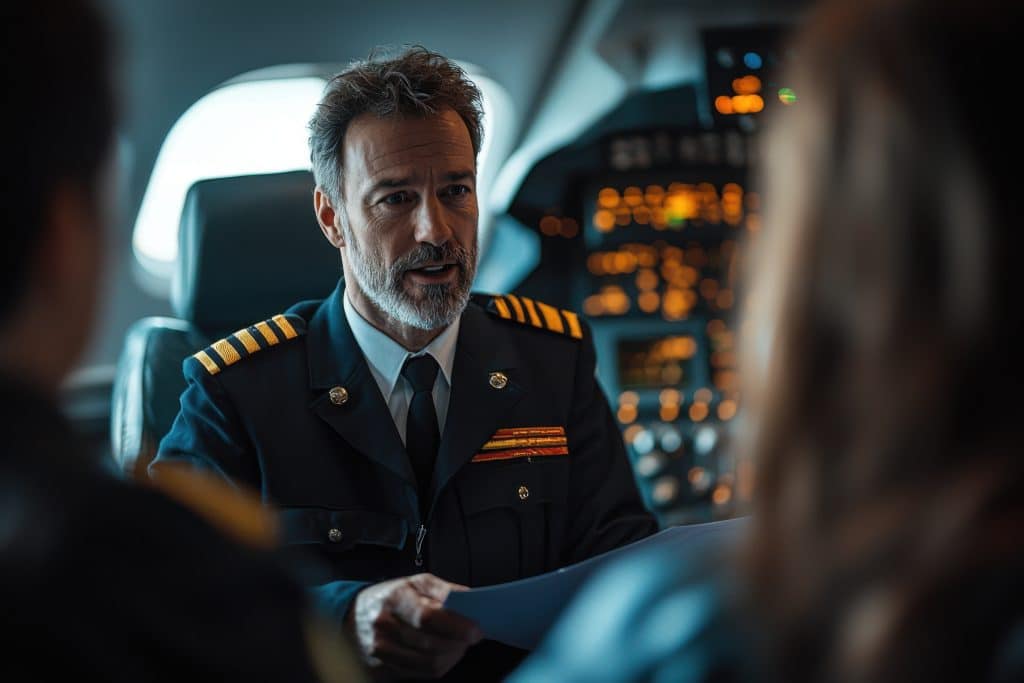
Flying lessons are structured training sessions where students learn to operate an aircraft under the guidance of a qualified instructor. These lessons cover practical flying skills, navigation, safety procedures, and aviation theory, helping students progress toward licences such as a Recreational Pilot Licence (RPL) or Private Pilot Licence (PPL).
Why Take Flying Lessons in Australia?
Australia offers some of the best conditions in the world for pilot training. Firstly, the country has diverse airspace from controlled city environments to quiet regional skies allowing students to gain broad experience. Additionally, weather conditions are generally favourable year-round.
According to the Civil Aviation Safety Authority (CASA), Australia maintains rigorous safety and training standards, ensuring consistency across all accredited flight schools. This means your flying lessons are recognised both nationally and internationally.
Moreover, Australia’s aviation industry continues to grow. The Australian Government’s aviation outlook highlights increasing demand for pilots, especially in regional and commercial sectors.
Types of Flying Lessons Available in Australia
1. Trial Introductory Flights
These are short, one-off experiences designed to give you a taste of flying. You’ll sit in the pilot’s seat and even control the aircraft under supervision.
2. Recreational Pilot Licence (RPL) Lessons
RPL is the entry-level licence in Australia. It allows you to fly within a limited radius (typically 25–50 nautical miles) without complex navigation requirements.
3. Private Pilot Licence (PPL) Training
PPL expands your privileges significantly. You can fly longer distances, carry passengers, and operate in more complex airspace.
4. Commercial Pilot Licence (CPL) Training
This is for those aiming to become professional pilots. CPL allows you to be paid for flying.
5. Instrument Rating & Advanced Training
These lessons focus on flying in low visibility conditions using instruments.
Flying Licences Explained (CASA Overview)
In Australia, all flying lessons and licences are regulated by CASA. Here’s a simplified breakdown:
- RPL (Recreational Pilot Licence): Entry-level, minimal requirements
- PPL (Private Pilot Licence): Intermediate, broader privileges
- CPL (Commercial Pilot Licence): Professional-level qualification
CASA ensures all training organisations follow strict guidelines, including instructor qualifications and aircraft maintenance standards.
Step-by-Step Checklist to Start Flying Lessons
- Book a Trial Flight
Start with an introductory lesson to confirm your interest. - Choose a CASA-Approved Flight School
Ensure the school is accredited and reputable. - Obtain an Aviation Reference Number (ARN)
Required for all pilot training in Australia. - Complete Medical Requirements
Depending on your licence, you may need a CASA medical certificate. - Begin Structured Flying Lessons
Combine practical flying with theory study. - Log Your Flight Hours
Maintain accurate records of your training. - Pass Theory Exams
Required for each licence level. - Complete Flight Tests
Conducted by an authorised examiner.
Costs of Flying Lessons in Australia
Flying lessons can vary depending on aircraft type, location, and school quality. Below is a general estimate:
- Trial Flight: AUD $200 – $400
- RPL: AUD $16,000–$23,000
- PPL: AUD $35,000–$45,000
- CPL: AUD $90,000+
These are estimates and may vary. Always request a detailed breakdown from your flight school.
Training Options Comparison Table
| Training Type | Duration | Cost Range | Best For |
| Trial Flight | 30–60 mins | $200–$400 | Beginners exploring aviation |
| RPL | 3–6 months | $16k–$23k | Recreational flying |
| PPL | 6–12 months | $35k–$45k | Private travel & skill building |
| CPL | 12–24 months | $90k+ | Career pilots |
What to Expect During Your First Flying Lesson
Your first flying lesson typically begins with a briefing. The instructor explains the aircraft controls, safety procedures, and basic aerodynamics.
Then, you’ll head to the aircraft. Surprisingly, many students get hands-on control within minutes. You’ll practice:
- Straight and level flight
- Gentle turns
- Basic climb and descent
From my experience, the moment you take control even briefly is unforgettable.
How Long Does It Take to Become a Pilot?
The timeline depends on your goals:
- RPL: 3–6 months (part-time)
- PPL: 6–9 months (part-time)
- CPL: 12–24 months (part-time)
However, progress depends on consistency. Students who fly more often tend to complete training faster.
Key Factors That Affect Your Progress
Several factors influence how quickly you complete flying lessons:
- Frequency of lessons
- Weather conditions
- Personal study habits
- Instructor availability
Consistency is key. Gaps between lessons often slow progress.
Safety, Regulations, and Compliance in Australia
Australia has one of the safest aviation systems globally. CASA regulates:
- Pilot licensing
- Aircraft maintenance
- Training standards
While this article explains the process, any compliance steps (like medical certification) should be considered administrative requirements reviewed with qualified professionals not legal advice.
Choosing the Right Flight School
Selecting the right school is critical. Look for:
- CASA approval
- Experienced instructors
- Modern aircraft fleet
- Transparent pricing
For example, you can explore structured programs and modern training facilities through this trusted Australian provider:
Explore professional flying lessons in Australia
People Also Ask (PAA)
How much do flying lessons cost in Australia?
Flying lessons typically range from $200 for a trial flight to over $90,000 for a full commercial licence. Costs depend on aircraft type, training frequency, and school location.
Do I need a degree to take flying lessons?
No, a degree is not required. However, strong English and basic maths skills are helpful for understanding aviation theory.
Can I learn to fly part-time?
Yes, many students complete flying lessons part-time. However, consistent scheduling improves learning speed and retention.
What age can you start flying lessons in Australia?
You can start training at any age, but the minimum age for the first solo flight is 15, and for an RPL licence is 16.
Are flying lessons safe?
Yes, flying lessons in Australia follow strict CASA safety standards, making them highly regulated and safe.
Advanced Q&A Section
What is the difference between RPL and PPL in Australia?
RPL allows limited flying within a defined radius, while PPL enables longer cross-country flights and more complex operations. PPL also serves as a stepping stone to commercial training.
How many hours are required for a Private Pilot Licence?
CASA requires a minimum of 40 flight hours for a PPL, though most students complete closer to 55–70 hours due to skill development needs.
Can international students take flying lessons in Australia?
Yes, international students can enrol, but they must meet visa and English language requirements. Flight schools often assist with administrative steps.
What aircraft are used for flying lessons.?
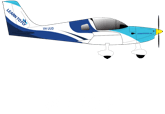
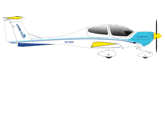
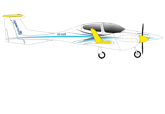
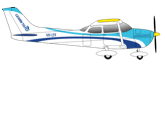
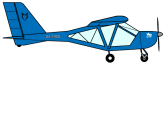
Common training aircraft include the Sling 2, Cessna 172 and Diamond DA40. These are chosen for reliability, safety, and ease of handling.
Is becoming a pilot in Australia worth it?
For those passionate about aviation, it offers strong career opportunities and personal fulfilment. However, it requires financial investment and commitment.
Conclusion
Flying lessons in Australia offer a clear and structured pathway into aviation, whether for recreation or a professional career. With strong regulatory oversight, high-quality training, and growing industry demand, there has never been a better time to start.
If you’re ready to take the first step, consider booking a trial lesson and exploring structured programs through a reputable provider like
Australia’s leading flying lessons training programs
Your journey to the skies begins with a single lesson, so why not start today?