

Select country
-->

Flying Lessons in Australia: A Complete Beginner-to-Pilot Guide

flying lessons

Table of Contents

  1. Introduction
  2. What Are Flying Lessons?
  3. Why Take Flying Lessons in Australia?
  4. Types of Flying Lessons Available in Australia
  5. Flying Licences Explained (CASA Overview)
  6. Step-by-Step Checklist to Start Flying Lessons
  7. Costs of Flying Lessons in Australia
  8. Training Options Comparison Table
  9. What to Expect During Your First Flying Lesson
  10. How Long Does It Take to Become a Pilot?
  11. Key Factors That Affect Your Progress
  12. Safety, Regulations, and Compliance in Australia
  13. Choosing the Right Flight School
  14. People Also Ask (PAA)
  15. Advanced Q&A Section
  16. Conclusion

Introduction

Flying lessons are one of the most exciting and rewarding ways to experience aviation in Australia. Whether you dream of becoming a commercial pilot or simply want to fly recreationally, starting with structured flying lessons is the first step. From my experience working with aspiring pilots, many beginners feel overwhelmed at first, but with the right guidance, the process becomes surprisingly straightforward and enjoyable.

Australia is globally recognised for its high aviation standards, making it an ideal place to learn. With organisations like the Civil Aviation Safety Authority (CASA) regulating training, students can trust that their flying lessons meet strict safety and quality benchmarks.
flying lessons

What Are Flying Lessons?

Flying lessons are structured training sessions where students learn to operate an aircraft under the guidance of a qualified instructor. These lessons cover practical flying skills, navigation, safety procedures, and aviation theory, helping students progress toward licences such as a Recreational Pilot Licence (RPL) or Private Pilot Licence (PPL).

Why Take Flying Lessons in Australia?

Australia offers some of the best conditions in the world for pilot training. Firstly, the country has diverse airspace from controlled city environments to quiet regional skies allowing students to gain broad experience. Additionally, weather conditions are generally favourable year-round.

According to the Civil Aviation Safety Authority (CASA), Australia maintains rigorous safety and training standards, ensuring consistency across all accredited flight schools. This means your flying lessons are recognised both nationally and internationally.

Moreover, Australia’s aviation industry continues to grow. The Australian Government’s aviation outlook highlights increasing demand for pilots, especially in regional and commercial sectors.

Types of Flying Lessons Available in Australia

1. Trial Introductory Flights

These are short, one-off experiences designed to give you a taste of flying. You’ll sit in the pilot’s seat and even control the aircraft under supervision.

2. Recreational Pilot Licence (RPL) Lessons

RPL is the entry-level licence in Australia. It allows you to fly within a limited radius (typically 25–50 nautical miles) without complex navigation requirements.

3. Private Pilot Licence (PPL) Training

PPL expands your privileges significantly. You can fly longer distances, carry passengers, and operate in more complex airspace.

4. Commercial Pilot Licence (CPL) Training

This is for those aiming to become professional pilots. CPL allows you to be paid for flying.

5. Instrument Rating & Advanced Training

These lessons focus on flying in low visibility conditions using instruments.

Flying Licences Explained (CASA Overview)

In Australia, all flying lessons and licences are regulated by CASA. Here’s a simplified breakdown:

  • RPL (Recreational Pilot Licence): Entry-level, minimal requirements
  • PPL (Private Pilot Licence): Intermediate, broader privileges
  • CPL (Commercial Pilot Licence): Professional-level qualification

CASA ensures all training organisations follow strict guidelines, including instructor qualifications and aircraft maintenance standards.

Step-by-Step Checklist to Start Flying Lessons

  1. Book a Trial Flight
    Start with an introductory lesson to confirm your interest.
  2. Choose a CASA-Approved Flight School
    Ensure the school is accredited and reputable.
  3. Obtain an Aviation Reference Number (ARN)
    Required for all pilot training in Australia.
  4. Complete Medical Requirements
    Depending on your licence, you may need a CASA medical certificate.
  5. Begin Structured Flying Lessons
    Combine practical flying with theory study.
  6. Log Your Flight Hours
    Maintain accurate records of your training.
  7. Pass Theory Exams
    Required for each licence level.
  8. Complete Flight Tests
    Conducted by an authorised examiner.

Costs of Flying Lessons in Australia

Flying lessons can vary depending on aircraft type, location, and school quality. Below is a general estimate:

  • Trial Flight: AUD $200 – $400
  • RPL: AUD $16,000–$23,000
  • PPL: AUD $35,000–$45,000
  • CPL: AUD $90,000+

These are estimates and may vary. Always request a detailed breakdown from your flight school.

Training Options Comparison Table

Training TypeDurationCost RangeBest For
Trial Flight30–60 mins$200–$400Beginners exploring aviation
RPL3–6 months$16k–$23kRecreational flying
PPL6–12 months$35k–$45kPrivate travel & skill building
CPL12–24 months$90k+Career pilots

What to Expect During Your First Flying Lesson

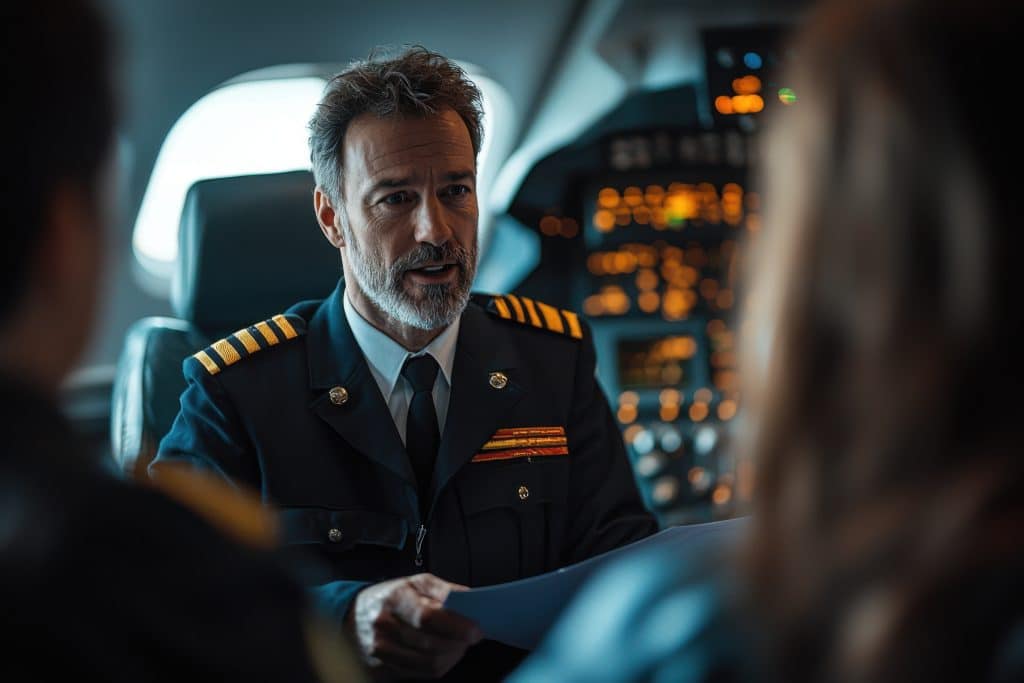
Your first flying lesson typically begins with a briefing. The instructor explains the aircraft controls, safety procedures, and basic aerodynamics.

Then, you’ll head to the aircraft. Surprisingly, many students get hands-on control within minutes. You’ll practice:

  • Straight and level flight
  • Gentle turns
  • Basic climb and descent

From my experience, the moment you take control even briefly is unforgettable.

How Long Does It Take to Become a Pilot?

The timeline depends on your goals:

  • RPL: 3–6 months (part-time)
  • PPL: 6–9 months (part-time)
  • CPL: 12–24 months (part-time)

However, progress depends on consistency. Students who fly more often tend to complete training faster.

Key Factors That Affect Your Progress

Several factors influence how quickly you complete flying lessons:

  • Frequency of lessons
  • Weather conditions
  • Personal study habits
  • Instructor availability

Consistency is key. Gaps between lessons often slow progress.

Safety, Regulations, and Compliance in Australia

Australia has one of the safest aviation systems globally. CASA regulates:

  • Pilot licensing
  • Aircraft maintenance
  • Training standards

While this article explains the process, any compliance steps (like medical certification) should be considered administrative requirements reviewed with qualified professionals not legal advice.

Choosing the Right Flight School

Selecting the right school is critical. Look for:

  • CASA approval
  • Experienced instructors
  • Modern aircraft fleet
  • Transparent pricing

For example, you can explore structured programs and modern training facilities through this trusted Australian provider:
Explore professional flying lessons in Australia

People Also Ask (PAA)

How much do flying lessons cost in Australia?

Flying lessons typically range from $200 for a trial flight to over $90,000 for a full commercial licence. Costs depend on aircraft type, training frequency, and school location.

Do I need a degree to take flying lessons?

No, a degree is not required. However, strong English and basic maths skills are helpful for understanding aviation theory.

Can I learn to fly part-time?

Yes, many students complete flying lessons part-time. However, consistent scheduling improves learning speed and retention.

What age can you start flying lessons in Australia?

You can start training at any age, but the minimum age for the first solo flight is 15, and for an RPL licence is 16.

Are flying lessons safe?

Yes, flying lessons in Australia follow strict CASA safety standards, making them highly regulated and safe.

Advanced Q&A Section

What is the difference between RPL and PPL in Australia?

RPL allows limited flying within a defined radius, while PPL enables longer cross-country flights and more complex operations. PPL also serves as a stepping stone to commercial training.

How many hours are required for a Private Pilot Licence?

CASA requires a minimum of 40 flight hours for a PPL, though most students complete closer to 55–70 hours due to skill development needs.

Can international students take flying lessons in Australia?

Yes, international students can enrol, but they must meet visa and English language requirements. Flight schools often assist with administrative steps.

What aircraft are used for flying lessons.?

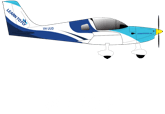
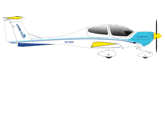
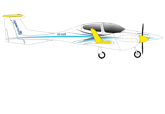
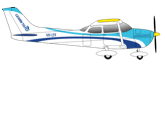
Common training aircraft include the Sling 2, Cessna 172 and Diamond DA40. These are chosen for reliability, safety, and ease of handling.

Is becoming a pilot in Australia worth it?

For those passionate about aviation, it offers strong career opportunities and personal fulfilment. However, it requires financial investment and commitment.

Conclusion

Flying lessons in Australia offer a clear and structured pathway into aviation, whether for recreation or a professional career. With strong regulatory oversight, high-quality training, and growing industry demand, there has never been a better time to start.

If you’re ready to take the first step, consider booking a trial lesson and exploring structured programs through a reputable provider like
Australia’s leading flying lessons training programs

Your journey to the skies begins with a single lesson, so why not start today?
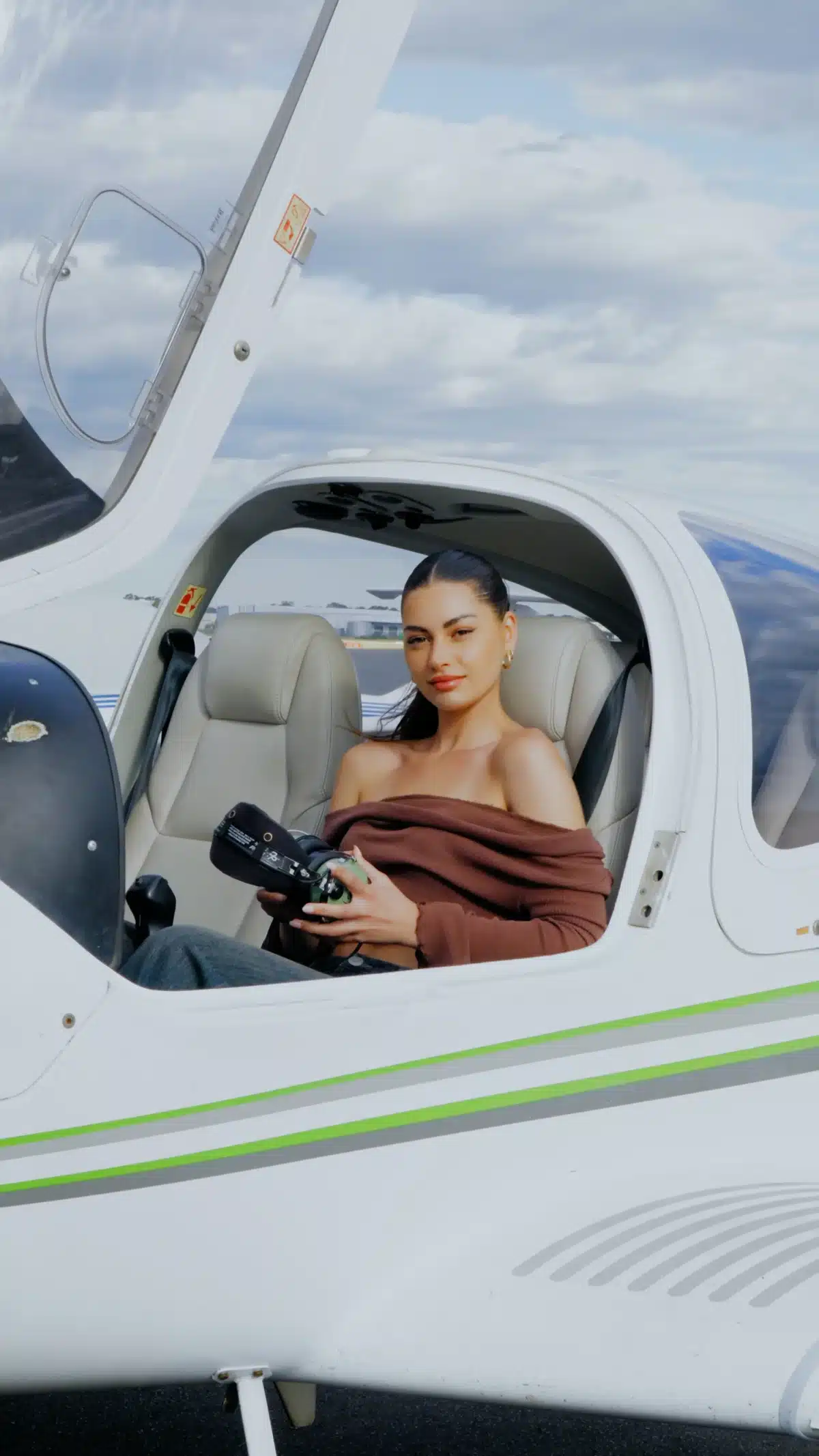
Ultimate Guide to Flying in Australia

Table of Contents

  1. Introduction to Flying in Australia
  2. What Is Flying? 
  3. Why Flying Matters in Australia
  4. How Flying Works: The Basics Explained
  5. Types of Flying in Australia
  6. Flying Training Pathways in Australia
  7. Medicals, Licences and Aviation Administration
  8. Costs of Flying in Australia
  9. Safety Standards and Oversight
  10. Comparison Table: Recreational vs Professional Flying
  11. Step-by-Step Checklist to Start Flying
  12. People Also Ask About Flying
  13. Advanced Q&A: Expert Insights on Flying
  14. Conclusion and Next Steps

1. Introduction to Flying in Australia

Flying has always held a special place in Australia. With vast distances between cities, remote communities, and world-class aviation infrastructure, flying is not just a hobby here, it’s a critical part of national life. From regional transport to pilot training and air freight, aviation connects the country in ways no other transport mode can.

From my experience working with aspiring pilots and aviation students across Victoria and beyond, many Australians begin exploring flying for one of three reasons: passion, career ambition, or practical need. Some dream of airline cockpits. Others want weekend recreational flights over the coast. Many simply want to understand how aviation works before committing to formal training.

This guide explains flying in clear, practical terms, with an Australian context. It covers training pathways, safety standards, costs, and career options all supported by credible sources and real-world insight.

Flying

2. What Is Flying? 

Flying is the controlled movement of an aircraft through the air using aerodynamic lift generated by wings or rotors. In Australia, flying includes recreational, private, and commercial aviation, regulated primarily by the Civil Aviation Safety Authority (CASA). It involves pilot training, medical certification, and strict operational standards to ensure safety.

3. Why Flying Matters in Australia

Australia’s geography makes aviation essential. Major cities are separated by hundreds or thousands of kilometres. Remote communities rely on air services for medical transport, supplies, and access to education.

According to the Bureau of Infrastructure and Transport Research Economics (BITRE), domestic aviation carries tens of millions of passengers annually in Australia. Aviation also supports freight, tourism, emergency services, and defence.

Moreover:

  • Regional airlines provide critical connectivity.
  • The Royal Flying Doctor Service relies on aviation to deliver urgent care.
  • Mining and energy sectors depend on FIFO (Fly-In Fly-Out) operations.

Therefore, flying in Australia is not just recreational it underpins economic and social infrastructure.

4. How Flying Works: The Basics Explained

At its core, flying depends on four forces:

  1. Lift – Generated by airflow over wings.
  2. Weight – The aircraft’s mass pulled downward by gravity.
  3. Thrust – Forward force from engines or propellers.
  4. Drag – Air resistance opposing motion.

For an aircraft to maintain flight, lift must equal weight, and thrust must overcome drag.

From a student pilot’s perspective, understanding why these forces interact matters more than memorising definitions. For example, increasing speed increases lift but also drag. Managing that balance is central to safe flying.

Modern training aircraft in Australia typically include:

  • Light single-engine aeroplanes (e.g., Cessna 172)
  • Glass cockpit avionics systems
  • GPS-based navigation

Importantly, aircraft performance changes with altitude and temperature. Australia’s hot summers and higher-density altitude conditions require careful performance calculations.

5. Types of Flying in Australia

Flying in Australia falls broadly into three categories:

Recreational Flying

Often conducted under Recreational Aviation Australia (RAAus), this involves lightweight aircraft and simplified medical requirements. It is ideal for hobbyists.

Private Flying

A Private Pilot Licence (PPL) allows pilots to fly passengers but not earn income from flying.

Commercial Flying

A Commercial Pilot Licence (CPL) allows pilots to be paid. This is the pathway toward airline and charter careers.

Each pathway has different training hours, medical standards, and operational privileges.

6. Flying Training Pathways in Australia

All formal pilot training in Australia is regulated by the Civil Aviation Safety Authority (CASA). CASA sets standards for licensing, safety oversight, and medical certification.

Typical progression:

  1. Trial Introductory Flight
  2. Recreational Pilot Licence (RPL)
  3. Private Pilot Licence (PPL)
  4. Commercial Pilot Licence (CPL)
  5. Multi-engine and instrument ratings

Flight training combines:

  • Ground theory (aerodynamics, meteorology, air law)
  • Simulator sessions
  • Dual flight instruction
  • Solo flight practice

For those seeking structured, CASA-compliant training in Victoria, professional programs such as those offered through integrated pilot training programs in Australia provide a clear pathway from beginner to commercial level.

Importantly, training is competency-based. Students must demonstrate skill not just log hours.

7. Medicals, Licences and Aviation Administration

To fly legally in Australia, pilots must hold:

  • A valid aviation medical certificate
  • The appropriate licence
  • Aircraft type endorsements

CASA issues medical classes:

  • Class 1: Required for commercial pilots
  • Class 2: Required for private pilots

Medical assessments are conducted by designated aviation medical examiners. These assessments are administrative processes to verify fitness standards, not personal medical advice.

Pilots must also:

  • Pass English language proficiency checks
  • Complete security identification (ASIC)
  • Maintain logbooks

8. Costs of Flying in Australia

Flying is a significant financial commitment. Costs vary by aircraft type, school location, and fuel prices.

Estimated costs (2026 estimates, subject to change):

  • Trial flight: $250–$500
  • RPL: $15,000–$22,000
  • PPL: $20,000–$30,000
  • CPL: $85,000–$100,000

These figures vary depending on weather delays, aircraft availability, and student progress.

Additionally, pilots must budget for:

  • Headsets
  • Textbooks
  • Medical examinations
  • Licence issue fees

While flying requires investment, structured training and clear milestones help students manage costs efficiently.

9. Safety Standards and Oversight

Australia maintains a strong aviation safety record. CASA enforces operational standards, conducts audits, and monitors airworthiness.

According to the Australian Transport Safety Bureau (ATSB), Australia’s aviation accident rates remain low compared to historical averages, with continuous improvements in safety reporting and data collection.

Modern safety systems include:

  • Mandatory occurrence reporting
  • Safety management systems (SMS)
  • Regular aircraft maintenance inspections

Safety in flying is not accidental. It is built through regulation, training discipline, and operational culture.

10. Comparison Table: Recreational vs Professional Flying

FeatureRecreational FlyingProfessional Flying
Licence TypeRAAus / RPLCPL / ATPL
Income AllowedNoYes
Medical RequirementDriver’s licence (some categories)CASA Class 1
Aircraft TypeLightweightMulti-engine, turbine
Training HoursLowerSignificantly higher
Career PathHobbyAirline, charter, freight

This comparison highlights why early goal-setting is important before committing to training.

11. Step-by-Step Checklist to Start Flying

If you are considering flying in Australia, follow this structured checklist:

  1. Book a trial introductory flight.
  2. Discuss long-term goals with a CASA-approved instructor.
  3. Obtain an aviation medical certificate.
  4. Enrol in a structured ground school program.
  5. Begin dual flight training.
  6. Complete first solo flight.
  7. Sit CASA theory examinations.
  8. Pass flight test.
  9. Apply for licence issue.

Each step builds confidence and competence progressively.

12. People Also Ask About Flying

How long does it take to learn flying in Australia?

Most students complete a Recreational Pilot Licence within 3–6 months part-time. A Commercial Pilot Licence may take 12–24 months depending on training frequency and weather conditions.

Is flying safe in Australia?

Yes. Australia operates under strict CASA regulations and maintains strong safety oversight. Accident rates have steadily improved according to ATSB data.

Do I need maths to learn flying?

Basic numeracy helps with navigation and fuel calculations. However, modern avionics simplify many calculations, and instructors teach required maths step-by-step.

Can I start flying with no experience?

Absolutely. Most student pilots begin with no aviation background. Trial flights are designed specifically for beginners.

13. Advanced Q&A: Expert Insights on Flying

1. What is density altitude and why does it matter in Australia?

Density altitude refers to air density relative to standard atmospheric conditions. In hot Australian summers, higher density altitude reduces aircraft performance, requiring longer take-off distances.

2. How competitive is the airline pathway in Australia?

Airline recruitment varies with market demand. Economic cycles influence hiring. Therefore, flexibility and multi-rating qualifications improve employability.

3. What are instrument ratings in flying?

An instrument rating allows pilots to fly in low visibility using cockpit instruments. It is essential for airline and charter operations.

4. How important is simulator training?

Simulators enhance procedural training safely and cost-effectively. They are particularly useful for instrument and emergency scenarios.

5. What ongoing requirements exist after getting licensed?

Pilots must complete regular flight reviews, medical renewals, and recency requirements to maintain privileges.

14. Conclusion: Taking the Next Step in Flying

Flying in Australia combines technical skill, regulatory discipline, and personal passion. Whether you want recreational freedom or a commercial aviation career, structured training and informed planning are essential.

Australia’s aviation environment is robust, well-regulated, and globally respected. With proper guidance, realistic budgeting, and consistent effort, flying can transform from curiosity into capability.

If you’re ready to explore structured, CASA-aligned pilot training in Australia, consider beginning with a professional flight school that offers clear pathways and experienced instructors. Your journey into flying starts with one decision and one take-off.