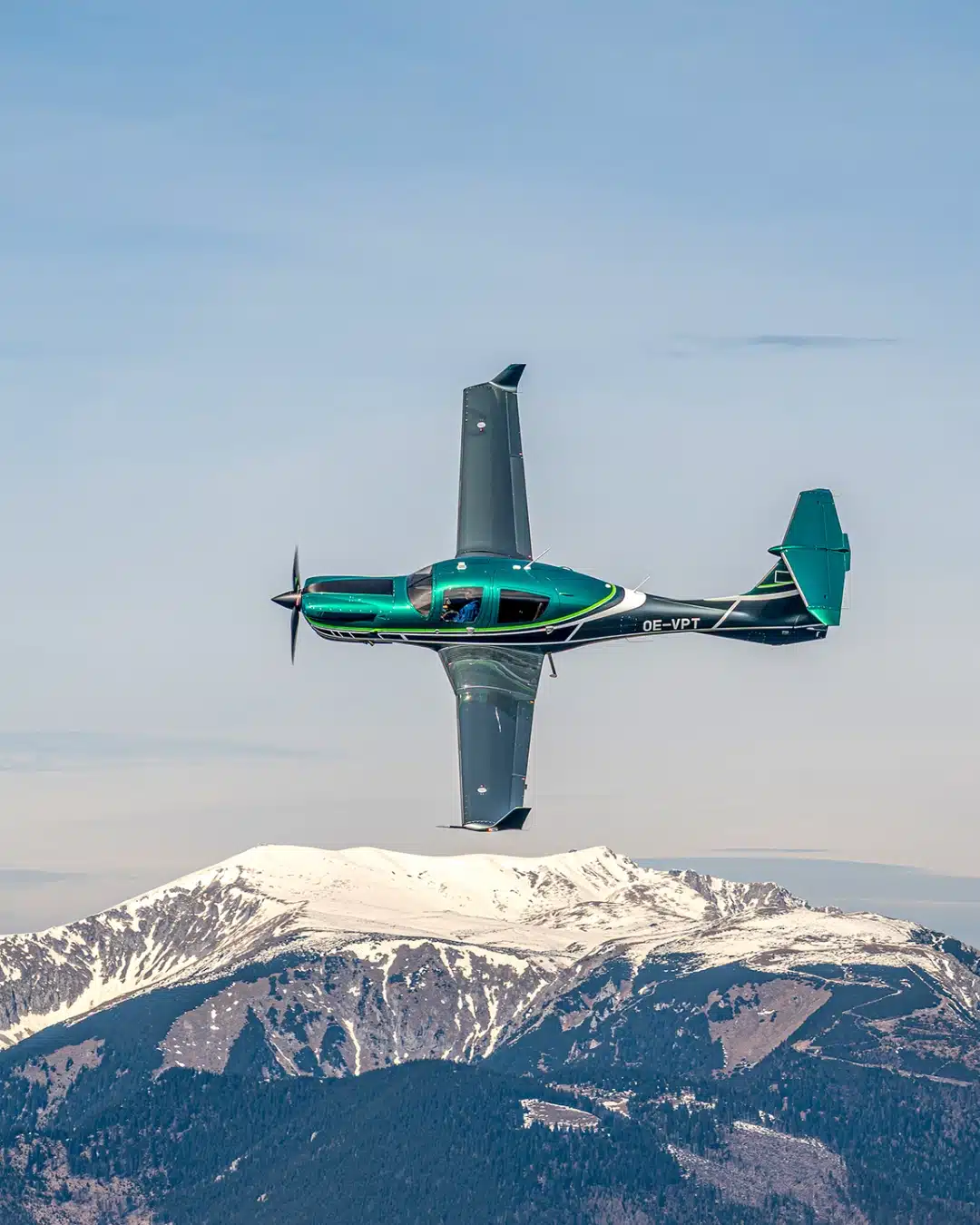
The Ultimate Diamond Aircraft Ownership Experience
Owning a Diamond Aircraft has long been a dream for many aviation enthusiasts and pilots. Known worldwide for their advanced technology, exceptional safety record, fuel efficiency, and modern design, Diamond Aircraft have become one of the most popular choices for private owners, flight schools, and commercial operators alike.
Now, thanks to a new partnership between Learn To Fly Melbourne and Utility Air, the official Diamond Aircraft dealer in Australia, purchasing a new Diamond Aircraft has become even more rewarding.
Eligible buyers can now receive complimentary flight training as part of their aircraft ownership journey, making it easier than ever to transition from aspiring pilot to proud Diamond Aircraft owner.
Why Choose a Diamond Aircraft?
Diamond Aircraft are renowned for combining performance, safety, and comfort in a modern airframe.
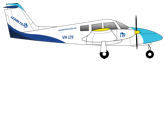
Popular models such as the DA40, DA42, DA50RG and DA62 have earned a reputation as some of the safest and most efficient aircraft in their class. Featuring advanced composite construction, modern avionics, excellent fuel economy, and outstanding handling characteristics, Diamond Aircraft continue to be a preferred choice for both training and private ownership.
Whether you’re looking for your first aircraft or upgrading your existing fleet, a Diamond Aircraft offers a premium flying experience with lower operating costs and excellent long-term value.
Complimentary Flight Training for New Diamond Aircraft Buyers
For a limited time, customers who purchase an eligible new Diamond Aircraft (excluding the DA20) through Utility Air will receive a complimentary pilot training package from Learn To Fly Melbourne.
This exclusive offer is designed to help new aircraft owners start flying sooner while receiving professional instruction from one of Australia’s largest Diamond Aircraft training organisations.
For customers who do not yet hold a pilot licence, the package includes:
– Up to 25 hours of flight training
– Professional flight instruction
– Ground training and theory support
– Structured training towards a Recreational Pilot Licence (RPL)
Students can choose to complete their training in their own new Diamond Aircraft or in one of Learn To Fly Melbourne’s Diamond DA40 training aircraft.
This provides a unique opportunity to learn in the aircraft you plan to own and operate.
Already Have a Pilot Licence?
Existing pilots can also benefit from this promotion.
Rather than completing an RPL training package, licensed pilots can receive an equivalent training package tailored to their experience and operational requirements.
– Training options may include:
– Diamond Aircraft familiarisation training
– Aircraft transition training
– Differences training
– Refresher training
– Additional flight training as required
Our instructors work closely with aircraft owners to ensure they are comfortable and confident operating their new Diamond Aircraft from day one.
The Complete Aircraft Ownership Package
Purchasing an aircraft is about more than simply taking delivery of the keys.
Aircraft owners need to understand the aircraft’s systems, performance, operating procedures, and handling characteristics to maximise safety and enjoyment.
This partnership between Learn To Fly Melbourne and Utility Air provides a complete aircraft ownership solution by combining premium Diamond Aircraft sales with professional flight training.
Whether you are a first-time aircraft owner or an experienced pilot moving into a new aircraft type, this program helps ensure you receive the support, training, and confidence needed to get the most from your investment.
Learn To Fly Melbourne – Diamond Aircraft Specialists
Learn To Fly Melbourne operates one of Australia’s largest Diamond Aircraft training fleets and has trained thousands of pilots using Diamond Aircraft.
Our instructors have extensive experience delivering flight training in Diamond aircraft and helping pilots transition into aircraft ownership.
With modern facilities at Moorabbin Airport and a strong focus on safety and professionalism, Learn To Fly Melbourne is uniquely positioned to support Diamond Aircraft owners throughout their aviation journey.
Learn More
If you’re considering purchasing a Diamond Aircraft, now is the perfect time to take advantage of this exclusive promotion.
Contact Utility Air or Learn To Fly Melbourne today to learn more about eligible aircraft models and how you can receive complimentary flight training with your new Diamond Aircraft purchase.
For many CPL students, the ultimate goal isn’t just earning a license, it’s finding a clear path into a professional cockpit. At Learn To Fly, we bridge that gap by turning high-achieving students into professional flight instructors.
Angela’s story is a prime example of how structured CPL training and a clear career framework can lead to immediate employment. After completing her Commercial Pilot Licence and being selected for our instructor employment program, Angela returned to the school to share her passion with the next generation of pilots.
Starting CPL Training with a Passion for Aviation
Like many CPL students, Angela’s interest in aviation started early.
“There’s something about the environment of airports and aviation that’s naturally drawn me in since I was young,” she says.
During her CPL training, her focus quickly evolved beyond simply learning to fly. She became deeply engaged in understanding systems, improving through repetition, and building confidence through structured practice — all key traits that later define successful flight instructors.
Building Confidence Through CPL Training
One of the most important stages for CPL students is solo navigation training. This phase requires independent decision-making, planning, and adaptability.
“Each route and aerodrome brought something new to learn,” Angela explains. “Although there was definitely stress involved, it was still a very rewarding period.”
Through this stage of CPL training, she developed confidence, situational awareness, and the ability to manage unexpected situations — all essential skills for future flight instructors.
Recognising Potential in CPL Students
As Angela progressed through her CPL training, her potential as one of the future flight instructors became clear.
Before starting her Flight Instructor Rating, she was selected through Learn To Fly’s employment program — designed to identify high-performing CPL students and support them toward an instructional career.
The process includes:
Instructor recommendations
Resume submission
Interview assessment (similar to a Grade 3 instructor role)
For Angela, this opportunity provided both recognition and direction.
“It was very relieving and I’m grateful to have been presented with the opportunity,” she says.
The Mindset That Defines Future Flight Instructors
Not all CPL students become flight instructors — mindset plays a critical role.
Angela highlights key traits that helped her stand out:
Willingness to learn
Openness to feedback
Continuous self-reflection
“I’ve always tried to stay open to feedback and take the time to understand what I can do better,” she says.
These qualities are essential for transitioning from CPL training into an instructional role.
Transitioning from CPL Training to Flight Instructor Rating
After completing her CPL training, Angela moved into her Flight Instructor Rating with clarity and focus.
“I was able to focus more on the FIR course itself, rather than worrying about securing a job afterwards,” she explains.
This highlights the value of a structured pathway — where CPL students are not just trained to fly, but are guided toward becoming flight instructors.
From Student to Flight Instructor
The transition from CPL student to flight instructor is not just a qualification change — it’s a shift in responsibility and perspective.
Becoming a flight instructor means not only managing your own performance, but influencing the learning and safety of others.
“The biggest change would be the shift in perspective,” Angela says. “There is an increased level of responsibility.”
Returning as a Flight Instructor
Today, Angela is one of the flight instructors at Learn To Fly, teaching in the same environment where she completed her CPL training.
“It has been a really nice transition coming back to the same school I trained at,” she says.
Her journey reflects what many CPL students aim for — building a career within a familiar and supportive training environment.
Why Flight Instructors Keep Learning
One of the most rewarding aspects of becoming a flight instructor is continuous development.
“What I find most rewarding is being able to continue developing my own skills while helping others progress,” Angela explains.
For many former CPL students, becoming a flight instructor is not just a job — it’s a way to accelerate learning while building experience.
Inspiring the Next Generation of CPL Students
Angela’s journey also highlights the importance of representation in aviation.
Through outreach programs like CSIRO’s Aviator in Schools, she has helped introduce aviation to younger students — showing them what is possible.
Her experience demonstrates that today’s CPL students can become tomorrow’s flight instructors, shaping the future of the industry.
Overcoming Challenges During CPL Training
Like many CPL students, Angela faced challenges along the way.
“I experienced a lot of self-doubt throughout my training,” she says.
What defines successful flight instructors is not the absence of difficulty, but the ability to continue progressing through it.
What CPL Training Can Lead To
For those considering CPL training, Angela’s journey provides a clear outcome.
With the right structure, support, and mindset, CPL students can progress beyond their licence — becoming skilled flight instructors, building experience, and creating long-term aviation careers.
Your first solo flight is one of the biggest milestones in any student pilot’s training. It’s the first time you take off, fly, and land an aircraft entirely by yourself—without a flight instructor in the cockpit.
While the idea may sound intimidating at first, student pilots only reach this moment after demonstrating they are competent, confident, and safe to operate independently under normal conditions.
Typically, a student pilot’s first solo takes place in a circuit pattern at your home airport under visual flight rules (VFR). The goal isn’t to travel far but to show you can safely perform takeoffs, landings, and follow standard traffic patterns without assistance.
Preparing for Your First Solo Flight
The journey to flying solo for the first time is paved with hard work, dedication, and steady progress. Before you can go solo, you’ll spend significant time mastering key skills such as:
– Aircraft handling and control
– Radio communication with air traffic control (ATC)
– Performing normal and emergency procedures
– Conducting pre-flight and post-flight checks
– Navigating the airport circuit
Your flight instructor will closely monitor your progress over several lessons. Once you’ve passed the necessary pre-solo theory exams, medical checks, and demonstrated consistent flying skills, they’ll endorse your logbook—officially clearing you for your first solo flight training.
What to Expect on Your First Solo Flight
Most pilots describe their first solo flight experience as a mix of excitement, nervousness, and pride. The moment your instructor steps out of the aircraft and says, “You’ve got this,” the reality sinks in—you’re about to fly completely on your own.
Inside the cockpit, you’ll notice it’s quieter without your instructor. The aircraft feels lighter and more responsive. As you taxi, the anticipation builds, but once you line up on the runway and apply full power, your training takes over. Muscle memory kicks in, and soon you’re airborne—truly flying solo as a student pilot.
Why the First Solo Is Such a Big Deal
A student pilot’s first solo isn’t just another flight—it’s a major personal and professional breakthrough. It represents:
– Competence: You’ve proven you can safely operate an aircraft independently.
– Trust: Your instructor has full confidence in your abilities.
– Confidence: You’ve shown yourself that you can fly solo.
– Progress: It’s a crucial step toward earning your pilot licence.
Many flight schools in Australia celebrate this achievement with photos or even a traditional shirt-cutting ceremony. No matter how you mark the occasion, your first solo in aviation is a memory you’ll keep for life.
Common Fears (And Why You’re Ready Anyway)
Feeling nervous before your first solo flight is completely normal. Some common concerns are:
– What if I forget what to do?
– What if I make a mistake?
– What if something goes wrong?
Here’s the truth – you won’t be sent solo until your instructor is 100% confident in your skills. You’ve already flown the same circuits many times, handled emergency procedures, and demonstrated safe decision-making.
Most pilots actually find their first solo flight in flight school goes smoother than expected. Without an instructor onboard, the aircraft climbs faster, handles better, and you’re more focused than ever.
What Happens After Your First Solo
After your first solo flight, your training will progress into more complex exercises. You’ll:
– Complete additional solo flights in various conditions
– Practice crosswind landings
– Prepare for your first solo navigation flight (another major milestone)
This phase builds your confidence, decision-making skills, and situational awareness—key qualities for both recreational and commercial pilots.
Final Thoughts: You’ll Never Forget It
Your first solo flight marks the point where you stop being just a student and start becoming a true pilot-in-command. Whether your goal is to fly recreationally, pursue a commercial career, or tick a lifelong dream off your list, this is the day you’ll always remember.
When your time comes, take a deep breath, trust your training, and enjoy the freedom of flying solo for the very first time. You’ve earned it—and you’re ready.
If you’re ready to begin your journey toward your first solo flight in Australia, check out our First Solo Course and take the first step toward your dream of becoming a pilot.
Most student pilots start their day early. Aviation training is highly weather-dependent, and flying conditions are often best in the morning when winds are calm and visibility is optimal.
One of the first tasks of the day is to check the weather using resources like NAIPS, the Bureau of Meteorology (BOM), or trusted aviation-specific apps. You’ll be looking at factors such as wind direction and speed, visibility, cloud coverage, and temperature. Based on this information, you’ll determine if the conditions are safe and legal for flying.
Here’s what a day might look like for student with a morning flight…
8:00 AM – Pre-Flight Preparation and Briefing
Arriving at the flight school, the morning continues with aircraft bookings, briefing sessions, and flight plan preparation. You’ll meet your instructor to discuss the flight’s objectives, lesson plan, expected route, radio frequencies, and any particular airspace requirements.
Tasks at this stage include:
– Discussing weather
– Reading NOTAMs (Notices to Airmen)
– Calculating weight and balance
– Planning fuel requirements
– Check runway in use and discuss departure proceduresAnd if you’re a PPL or CPL student, you’ll also:
– Review navigation charts and route planning
– Fill out a flight plan (if required)
9:00 AM – Pre-Flight Checks and Takeoff
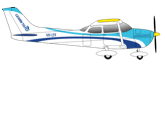
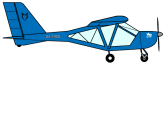
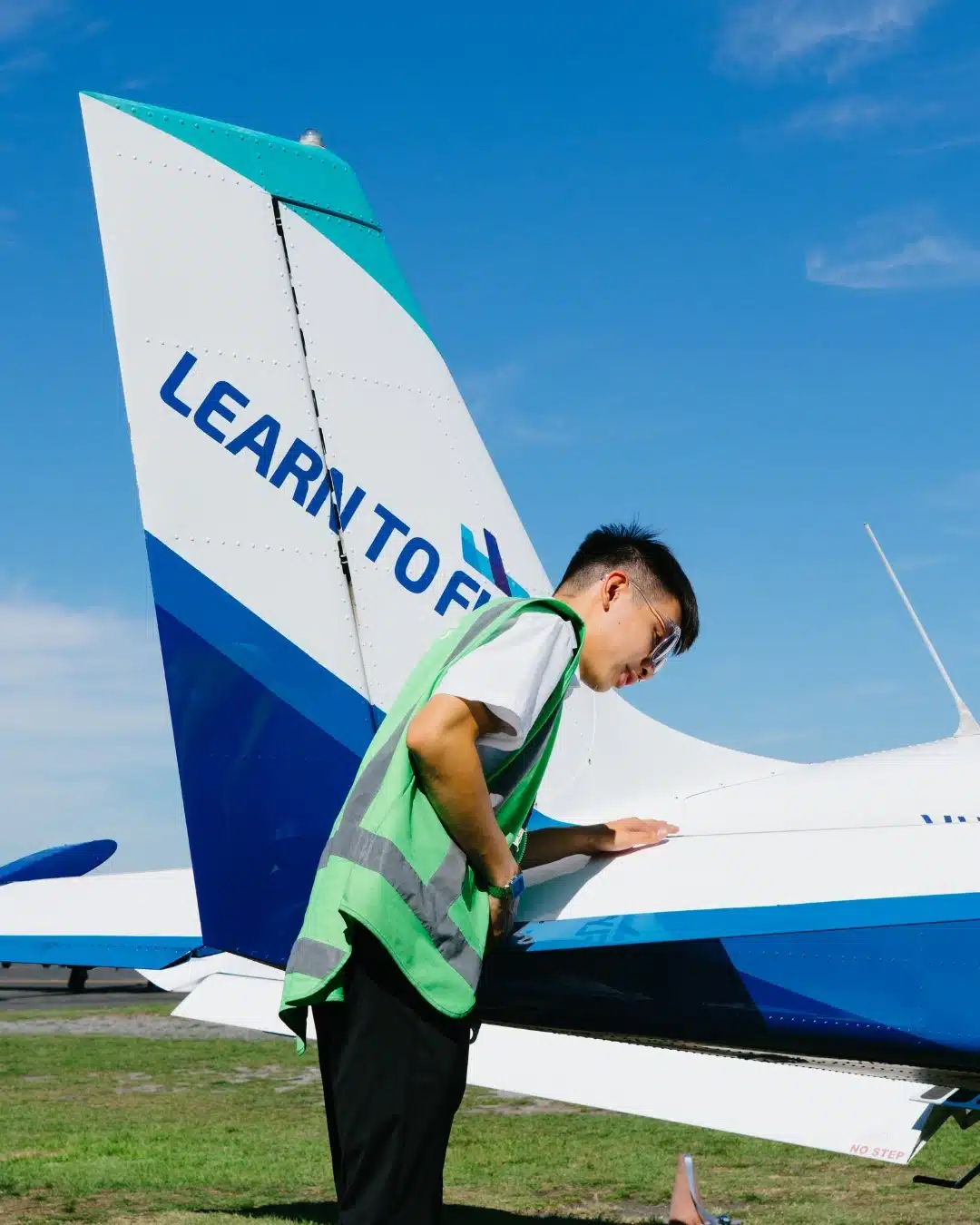
With your briefing complete, it’s time to get hands-on. Heading out to the apron, you’ll conduct a thorough pre-flight inspection of your aircraft. At Learn To Fly, a Melbourne flight school, you’ll either be flying a Sling 2, Cessna 172, or Diamond DA40 for your RPL, PPL, and CPL training.
The checklist includes:
– Fuel and oil levels
– Control surfaces and hinges
– Tires and brakes
– Pitot tube, lights, and antennas
– Overall serviceability
Once the inspection is complete, you’ll hop into the cockpit with your instructor (or without your instructor, if it’s a solo flight), start up the engine, conduct run-up checks, and request taxi clearance from air traffic control (YMMB is a Class D aerodrome).
11:00 AM – Post-Flight Debrief
After landing, your responsibilities aren’t over. You’ll taxi back to the parking area, shut down the aircraft, and ensure that the aircraft is properly tied down and secured.
You’ll then head inside for a debrief with your instructor. This is an essential part of the learning process—where you’ll review what went well, what could be improved, and what to focus on in the next lesson.
12:00 PM – Lunch and Break Time
After a busy morning, student pilots usually take a break around midday. Here at the best flight school in Melbourne, it’s common to grab a bite with fellow students or instructors in the student lounge—swapping stories about tough landings, favourite airports, or memorable lessons in the sky.
This downtime is also important for mental rest. Pilot training demands high levels of focus, situational awareness, and decision-making skills. Giving your brain time to relax helps you retain information and fly better.
1:00 PM – Ground School and Theory Study
Depending on your schedule, the afternoon may include time in a flight simulator, otherwise it’s time for your theory. Flight training isn’t just about flying (unfortunately)! Ground school plays a vital role in private and commercial pilot licence training, helping student pilots understand the principles of aviation, aircraft systems, meteorology, navigation, and regulations.
Depending on your course structure, you may have: – In-person classroom lessons – Online learning modules – Self study at home
The subjects you’ll need to pass for CPL include:
– Air Law
– Performance
– Navigation
– Meteorology
– Human Factors
– Aerodynamics
– Systems
4:00 PM – Review, Study, and Progress Check
The final part of the day often involves personal study time or review. You may revise today’s flight, complete logbook entries, or study for your next theory exam.
5:00 PM – Wind Down and Reflect
By the evening, you’re likely mentally tired, but also fulfilled. The student pilot journey is intense and fast-paced, but each day in the cockpit builds your skills and confidence.
It’s time to plan for the next day’s lesson. Consistency, reflection, and focus are key to succeeding in flying training.
Final Thoughts: The Student Pilot Life
The life of a student pilot is one of discipline, adventure, and constant growth. No two days are the same, and every flight brings a new challenge and a chance to improve. While the workload can be demanding—especially balancing theory, flying, and real-world responsibilities—it’s also deeply rewarding.
Whether you’re just starting your pilot training in Australia or considering flight school in the near future, understanding what flight training really looks like can help you make the most of every moment. If you’d like to find out more about Learn To Fly, click here to book a school tour!
If you’re searching for aviation courses Melbourne, you’re likely serious about building a career in aviation or pursuing your dream of becoming a pilot in Australia. From my experience working with aviation training providers and reviewing Australian flight education systems, Melbourne stands out as one of the most structured and accessible locations for pilot training.
Australia’s aviation industry is globally respected, and Melbourne offers access to modern aircraft, experienced instructors, and internationally recognised certifications. However, choosing the right course, understanding costs, and navigating requirements can feel overwhelming at first.
This guide breaks everything down in a clear, practical way, so you can make informed decisions based on real data, Australian standards, and industry expectations
What Are Aviation Courses Melbourne?
Aviation courses Melbourne are structured training programs that teach students how to operate aircraft safely and professionally under Australian aviation standards. These courses range from beginner pilot licences to advanced commercial certifications and combine theoretical learning with hands-on flight training regulated by the Civil Aviation Safety Authority (CASA).
Why Study Aviation in Melbourne, Australia
Melbourne is one of Australia’s leading aviation training hubs, and for good reason.
1. Strong Aviation Infrastructure
Melbourne has multiple controlled and uncontrolled airfields, which allows students to train in diverse conditions. This builds real-world flying confidence early.
2. CASA-Regulated Training Standards
All reputable training providers follow strict guidelines set by the Civil Aviation Safety Authority (CASA) , ensuring consistent safety and quality across Australia.
3. Weather Variety for Skill Development
Unlike some regions with predictable weather, Melbourne exposes students to varied flying conditions. While this can slow training slightly, it significantly improves pilot competence.
4. Career Pathway Opportunities
Australia’s aviation sector continues to grow. According to Australian Government Job Outlook , demand for pilots and aviation professionals is expected to remain steady due to regional airline expansion and global pilot shortages.
Types of Aviation Courses in Melbourne
When researching aviation courses Melbourne, you’ll come across several key training options. Each serves a different career goal.
1. Recreational Pilot Licence (RPL)
Entry-level licence
Fly within limited distance and conditions
Ideal for hobby pilots
2. Private Pilot Licence (PPL)
Fly independently
Carry passengers (non-commercial)
Builds foundational flying skills
3. Commercial Pilot Licence (CPL)
Required for paid flying jobs
Includes advanced navigation and operational training
Minimum ~150–200 flight hours
4. Instrument Rating (IR)
Allows flying in low visibility conditions
Essential for airline careers
5. Flight Instructor Rating
Enables you to teach others
Common first job pathway for pilots
Entry Requirements for Aviation Courses Melbourne
Entry requirements are relatively accessible compared to other professions in Australia.
Basic Requirements:
Minimum age: 14–18 depending on course
English proficiency (important for radio communication)
Medical certificate (Class 1, Class 2 or Class 5 depending on the course)
Basic maths and physics understanding
The medical certificate is issued under CASA guidelines and ensures you are fit to fly. You can learn more via CASA medical standards .
Cost of Aviation Courses in Australia
One of the most important considerations when exploring aviation courses Melbourne is cost.
Estimated Costs (AUD):
Course Type
Approximate Cost
RPL
$16,000 – $23,000
PPL
$35,000 – $45,000
CPL
$85,000 – $110,000
Full Airline Pathway
$125,000 – $150,000
Important note: These are estimates and vary depending on training pace, aircraft type, and weather delays.
From my experience, many students underestimate additional costs such as:
Landing fees
Exam fees
Study materials
Additional flying hours
Training Process: Step-by-Step Checklist
Here’s a simplified pathway for starting aviation courses Melbourne:
Research flight schools in Melbourne
Complete an introductory flight lesson
Obtain CASA medical certificate
Enrol in ground school training
Begin flight training hours
Pass theory exams
Complete flight tests
Apply for licence certification
This structured approach helps avoid delays and keeps your training on track.
Comparing Training Pathways
Choosing between full-time and part-time training is a major decision.
Factor
Full-Time Training
Part-Time Training
Duration
12–18 months
2–4 years
Cost Efficiency
Higher (less repetition)
Lower upfront
Skill Retention
Strong
Can vary
Flexibility
Low
High
Career Speed
Faster
Slower
From my experience, full-time training is ideal if you want to enter the aviation workforce quickly, while part-time suits those balancing work or study.
Career Opportunities After Aviation Training
Completing aviation courses Melbourne opens several career paths:
Entry-Level Roles:
Flight instructor
Charter pilot
Regional airline pilot
Advanced Careers:
Airline captain
Corporate jet pilot
Aviation safety specialist
Australia’s aviation sector is closely tied to global demand. According to industry reports from the International Air Transport Association (IATA), pilot shortages are expected to continue globally, which benefits qualified Australian-trained pilots.
Aviation Regulations in Australia Explained
All aviation courses in Melbourne are governed by CASA regulations. These rules ensure safety, training quality, and operational standards.
Key Points:
CASA issues licences and certifications
Training organisations must be approved
Exams are standardised nationwide
This is not legal advice, but rather an overview of administrative requirements. Always confirm details with your training provider or a licensed aviation professional.
Choosing the Right Flight School in Melbourne
Not all training providers are the same. Here’s what to look for:
1. Fleet Quality
Modern aircraft improve learning and safety.
2. Instructor Experience
Experienced instructors can significantly speed up your progress.
3. Location
Airfield traffic and conditions affect training quality.
4. Course Structure
Look for clear, structured pathways to CPL and beyond.
1. How long does it take to complete aviation courses in Melbourne?
It typically takes 12–18 months for full-time students to complete a Commercial Pilot Licence, while part-time students may take 2–4 years depending on availability and training frequency.
2. Are aviation courses in Melbourne expensive?
Yes, aviation training is a significant investment, often ranging from $85,000 to $110,000 for a CPL. However, costs vary based on training pace and additional certifications.
3. Do I need a university degree to become a pilot in Australia?
No, a university degree is not required. Aviation courses are skill-based and regulated by CASA, focusing on practical and theoretical flight training.
4. Is Melbourne a good place to learn flying?
Yes, Melbourne offers diverse weather conditions, modern facilities, and strong aviation infrastructure, making it ideal for developing well-rounded flying skills.
5. Can international students take aviation courses in Melbourne?
Yes, many schools accept international students, but visa requirements and English proficiency standards must be met.
FAQs: Expert Q&A
1. What is the difference between PPL and CPL in Australia?
A PPL allows private flying without earning income, while a CPL enables you to work as a professional pilot. The CPL requires more flight hours and advanced training.
2. How many flight hours are required for a CPL in Melbourne?
Typically, students need around 150–200 flight hours, depending on CASA requirements and individual progress.
3. Are aviation jobs guaranteed after training?
No training provider can guarantee employment. However, strong training performance and instructor ratings can improve job prospects significantly.
4. What medical conditions can prevent pilot training?
Conditions affecting vision, heart health, or neurological stability may impact eligibility. CASA medical assessments determine fitness to fly.
5. Is it better to train locally or overseas?
Training in Australia is highly regarded globally due to strict CASA standards, making it a strong choice for long-term aviation careers.
Conclusion
Choosing the right aviation courses Melbourne offers is one of the most important decisions in your aviation journey. Melbourne provides high-quality training, global recognition, and strong career pathways, but success depends on selecting the right course, understanding costs, and committing to the process.