
If you searched for pilot training in Melbourne, Australia, you are probably comparing flight schools, licence pathways, costs, timeframes, and whether Melbourne is the right place to begin. The good news is that Australia has a structured flight training system, regulated by the Civil Aviation Safety Authority, known as CASA. The harder part is knowing which licence, training model, and school environment best match your goals.
From my experience reviewing Australian flight training pathways, the students who progress most smoothly are rarely the ones who simply choose the cheapest hourly rate. Instead, they understand the full pathway before they enrol. They ask about medicals, theory exams, instructor availability, aircraft scheduling, weather delays, and what happens after the first solo.
This guide explains pilot training in Melbourne, Australia in plain English. It covers recreational, private, and commercial pathways, plus the administrative steps that local and international students usually need to consider. It is practical information, not legal or migration advice.
Pilot training in Melbourne, Australia is the process of learning to fly in Melbourne under Australia’s CASA-regulated system. Students complete ground theory, supervised flying, medical and English checks, exams, and a flight test before earning licences such as RPL, PPL, or CPL for recreational, private, or commercial flying.
Table of Contents
- What pilot training melbourne australia means
- Why Melbourne is a practical aviation training location
- Licence pathways for pilot training melbourne australia
- Part 141 vs Part 142 flight training in Australia
- Onshore vs offshore preparation
- Costs and budgeting for flight training
- International students and administrative planning
- Melbourne flying conditions and safety habits
- How to choose a flight school
- Pilot training melbourne australia onboarding checklist
- Common mistakes to avoid
- People Also Ask
- Expert Q&A
- Conclusion
What pilot training melbourne australia means
Pilot training in Melbourne, Australia means learning to fly through a CASA-recognised pathway. CASA lists the main pilot licence categories, including Recreational Pilot Licence, Private Pilot Licence, Commercial Pilot Licence, Air Transport Pilot Licence, and international licence pathways. For a full official overview, check the CASA pilot licence information.
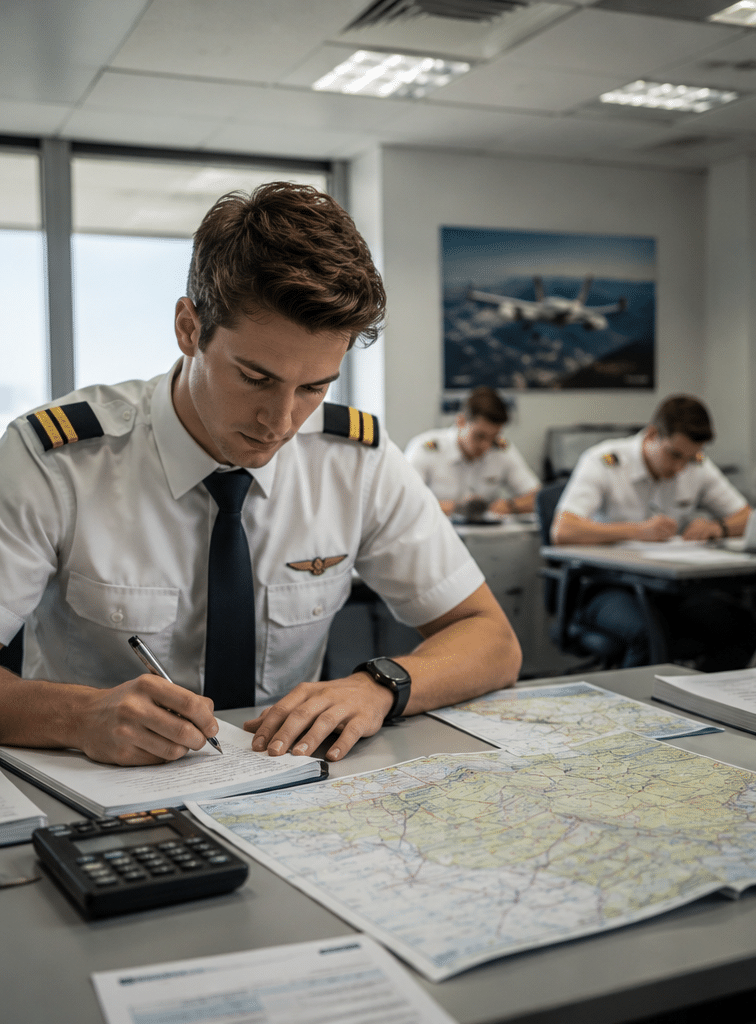
In simple terms, flight training has three parts. First, you learn the theory: air law, navigation, meteorology, aerodynamics, aircraft systems, human factors, and flight planning. Next, you build practical flying skills with an instructor. Finally, you complete assessments, exams, and flight tests.
However, pilot training in Melbourne, Australia is not only about flying hours. It also includes medical certification, English language requirements, logbook records, aviation security checks, and applications through CASA systems. These steps are administrative, but they matter because they affect when you can sit a flight test and when your licence can be issued.
Why Melbourne is a practical aviation training location in Australia
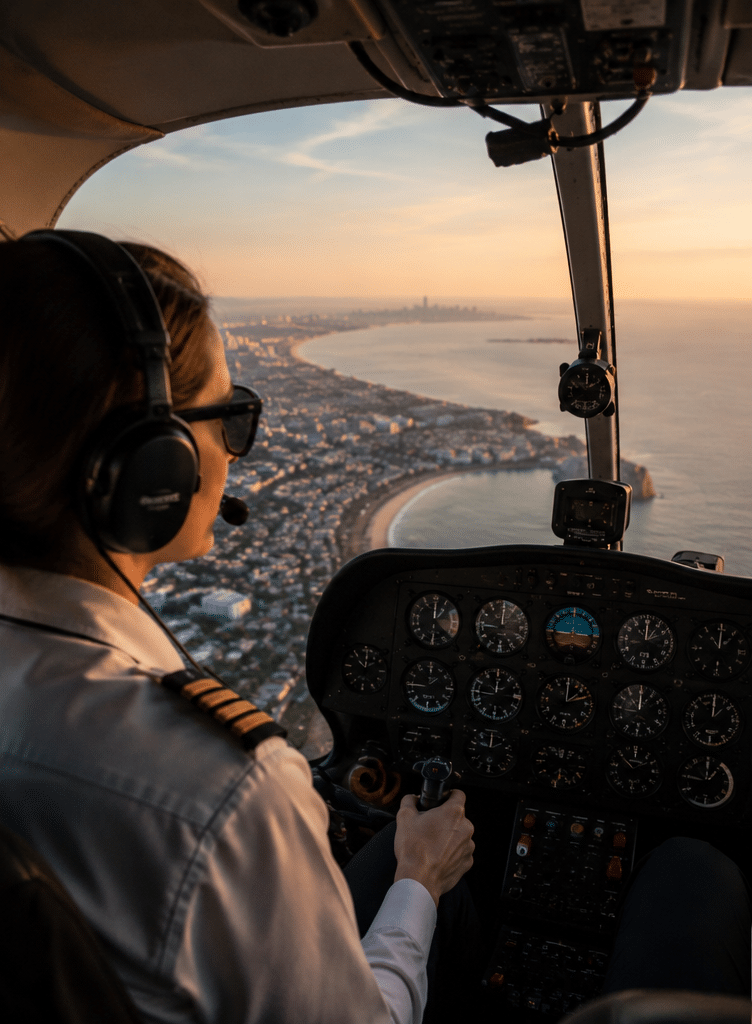
Melbourne is a strong training location because it gives students exposure to real Australian aviation conditions. Depending on the school and airport, students may experience busy circuit traffic, controlled airspace procedures, coastal weather, regional navigation routes, and cross-country planning. This mix can help build confidence early, provided training is structured and supervised.
Moorabbin Airport is especially well known in Victoria’s general aviation community. Moorabbin Airport describes itself as a leading general aviation flight training airport in Victoria, which is one reason many students look around Melbourne’s south-east when comparing flight schools.
Moreover, Melbourne weather teaches useful discipline. Students learn to read forecasts, watch wind, check cloud base, and understand why a safe “no-go” decision is part of good airmanship. The Bureau of Meteorology provides aviation weather services for Australian aviation users, including observations, forecasts, warnings, and advisories; it also notes that flight planning information should be obtained through Airservices Australia.
Therefore, pilot training in Melbourne, Australia can be valuable for both local and international students. You are not just learning to pass a test. You are learning to operate within a real aviation environment.
Licence pathways for pilot training melbourne australia
Most students begin by choosing between three common goals: flying for fun, flying privately, or flying professionally. In Australia, those goals usually align with RPL, PPL, and CPL pathways.
| Licence | Best suited to | Key CASA requirements | Practical student note |
| Recreational Pilot Licence, RPL | Local recreational flying and early skill building | CASA says an RPL allows unsupervised flight in a light, single-engine aircraft. Applicants must be at least 16 and meet English and medical requirements for the flight test. | A good first milestone. It can help you build confidence before deciding whether to continue with PPL or CPL. |
| Private Pilot Licence, PPL | Private flying, cross-country trips, and non-commercial aviation | CASA says PPL applicants must be at least 17, meet English requirements, hold an acceptable medical certificate, train with a Part 141 or Part 142 operator, pass theory, complete minimum experience, pass a flight test, complete an aviation security check, and apply through CASA. | The PPL is often the “freedom” licence. It adds navigation and broader private flying privileges. |
| Commercial Pilot Licence, CPL | Career pathways such as charter, instructing, survey, and later airline progression | CASA says CPL applicants must be at least 18, complete theory exams, train with a Part 141 or Part 142 operator, meet aeronautical experience requirements, pass the flight test, and meet medical certificate requirements. | The CPL is a professional baseline, not an airline job guarantee. Many pilots add ratings, endorsements, and experience after CPL. |
A key point is that minimum hours are not the same as a realistic training plan. For example, CASA lists aeroplane PPL minimum aeronautical experience as 35 hours for an integrated course and 40 hours for a non-integrated course. For aeroplane CPL, CASA lists 150 hours for integrated training and 200 hours for non-integrated training.
In practice, some students need extra hours because of weather, exam timing, aircraft availability, skill consolidation, or personal schedule gaps. That is normal. A good school should explain this before you commit.
Part 141 vs Part 142 flight training in Australia
When comparing pilot training Melbourne Australia options, you will often see “Part 141” and “Part 142”. These are CASA flight training approval categories.
For PPL and CPL training, CASA explains that flight training courses may be delivered as intensive integrated courses through Part 142 flight training operators or non-integrated courses through Part 141 flight training operators. CASA also notes that integrated training combines ground theory with practical flight training in a structured format, while non-integrated training can involve more practical flight time and may take longer.
You can verify providers through the CASA flight training operator search, which lists Part 141 and Part 142 certificate holders in Australia.
Which option is better?
Neither is automatically better. Instead, the right option depends on your goal.
An integrated Part 142 pathway may suit a student who wants a structured, full-time training plan. It can be useful for career-focused students because theory and flying are coordinated.
A non-integrated Part 141 pathway may suit a student who needs flexibility. For example, someone working full-time may prefer weekend lessons and a longer pathway.
However, structure matters in both models. A flexible course still needs clear milestones. Likewise, an intensive course still needs enough time for skill consolidation.
Onshore vs offshore preparation for pilot training melbourne australia
Some students start everything in Melbourne. Others, especially international students, prepare theory, documents, English, and budgeting before arriving. Both approaches can work.
| Pathway | Advantages | Challenges | Best for |
| Start fully onshore in Melbourne | You meet instructors, see aircraft, understand the airport, and build habits in the actual training environment. | You may spend more time in Australia before your first major milestone if admin tasks are not ready. | Local students, interstate students, and international students who want full immersion. |
| Prepare offshore, then train in Melbourne | You can organise documents, research licence pathways, study basic theory, and plan accommodation before arrival. | You must be careful not to rely on outdated visa, course, or provider information. | International students who want a smoother start after arrival. |
| Blended approach | You may complete introductory theory or school consultations before arriving, then fly onshore. | You still need local briefings, CASA-aligned procedures, and supervised flight training. | Students who want to reduce uncertainty before committing. |
For international students, one important issue is whether the course and provider meet student visa requirements. CRICOS is the official Australian Government register listing education providers and courses available to people studying in Australia on student visas.
Costs and budgeting for pilot training melbourne australia
Flight training costs vary because students pay for more than aircraft time. A realistic budget should include aircraft hire, instructor time, briefings, landing fees, theory materials, exams, medical appointments, headset and equipment, licence application fees, possible retesting, and transport or accommodation.
Therefore, the cheapest advertised flying rate may not be the cheapest total pathway. A slightly higher hourly rate can sometimes be better value if the school has reliable scheduling, strong instructor continuity, clear briefings, and fewer avoidable delays.
When you request a quote, ask whether the price includes:
- Pre-flight and post-flight briefings.
- Theory support.
- Landing fees and circuit charges.
- Exam preparation.
- Flight test preparation.
- Study materials.
- Uniform or equipment requirements.
- GST, if applicable.
- Re-sit or re-test costs.
- Fuel surcharges or aircraft upgrade costs.
Also, ask the school to separate CASA minimums from realistic averages. This helps you plan without assuming every lesson will go perfectly.
From my experience, students often underestimate the cost of irregular training. If you fly once every six weeks, you may spend the first part of each lesson rebuilding skills. As a result, a consistent schedule can save money over time.
International students and administrative planning
International students considering pilot training melbourne australia should plan early. Visa rules, course enrolment, health insurance, work limits, and provider registration can change. The official Study Australia student visa guide explains that the Student visa subclass 500 allows study at an Australian education provider, may allow family members, and can permit work up to 48 hours per fortnight while the course is in session. It also says students need a Confirmation of Enrolment before applying and must maintain important conditions such as enrolment, attendance, course progress, address updates, and health insurance.
Study Australia also states that from 1 July 2025, student visa fees are from AUD$2,000 per application, unless exempt. Since fees and rules may change, students should verify the current amount before applying.
This is administrative information, not migration advice. If your situation is complex, use official government sources or speak with a registered migration agent. A flight school can explain course documents, but visa eligibility should be checked through the correct official channels.
Medicals, English, and CASA administration
Before investing heavily, think about medical eligibility. CASA explains that aviation medicals cover the medical exams and certificates pilots may need, including how to apply, renew, and find medical examiners.
For PPL, CASA says applicants need a medical certificate, and Class 1, Class 2, or Basic Class 2 can be relevant for taking the PPL flight test. For CPL, CASA says Class 1 is required to attempt the CPL flight test, while Class 1 or Class 2 may apply to flying an aircraft under stated limits.
You will also hear the term ARN. An Aviation Reference Number is a CASA identifier used for aviation administration. CASA provides information on how individuals and organisations can apply for an ARN.
In addition, PPL and CPL applicants need to meet aviation English language requirements and complete an aviation security status check as part of the licence application process.
Melbourne flying conditions and safety habits
Melbourne is a useful training environment because conditions can change. A calm morning can become a windy afternoon. Coastal influence can affect clouds and visibility. Busy training circuits can also demand strong radio discipline.
That is why good pilot training programmes in Melbourne, Australia, should teach decision-making, not just handling skills. A safe student learns to ask:
- Is the weather suitable for my lesson objective?
- Is the aircraft serviceable?
- Do I understand the NOTAMs?
- Is my flight plan realistic?
- Am I current enough for this exercise?
- Do I need more briefing before flying?
The Bureau of Meteorology states that its Aviation Weather Service provides forecasts, warnings, observations, and advisories for aviation users. It also says flight planning information should be obtained from Airservices Australia, which is the official provider of the Aeronautical Information Service delivering Bureau aviation meteorological products.
For a beginner, terms such as METAR, TAF, NOTAM, and area forecast can feel overwhelming. However, they become normal with guided practice. The important point is that weather and briefing discipline should be taught from the start, not added after solo.
How to choose a flight school in Melbourne Australia
Choosing a school is a major decision. A good school should be transparent about the pathway, not just the dream. It should explain how lessons are scheduled, how progress is tracked, and how students are supported when they struggle.
When comparing schools, ask these questions:
- Is the school approved for the licence pathway I want?
- Are training plans written clearly?
- How often can I realistically fly?
- Will I have one main instructor or many rotating instructors?
- What aircraft will I train in?
- How are cancellations handled?
- What theory support is available?
- How are students prepared for exams and flight tests?
- What happens if I need extra lessons?
- Can I speak with current or former students?
Also, look closely at safety culture. A strong safety culture is not just posters on a wall. It shows up when instructors encourage questions, explain risks clearly, and support conservative decisions.
Pilot training melbourne australia onboarding checklist
Use this checklist before you commit to a course.
- Define your end goal. Decide whether you want recreational flying, private flying, or a professional pilot pathway.
- Book an introductory discussion. Ask the school to explain RPL, PPL, CPL, and any advanced ratings in plain English.
- Check CASA pathway requirements. Confirm age, English, medical, theory, training, flight test, and application steps for your licence goal.
- Apply for an ARN if needed. This helps you begin CASA-related administration.
- Discuss medical timing. Do not leave medical questions until late in training, especially if you want CPL.
- Ask for a written cost breakdown. Separate minimum-hour estimates from realistic completion planning.
- Confirm aircraft and instructor availability. Consistency matters, especially before first solo and flight tests.
- Plan theory study. Theory should support flying, not lag behind it.
- Build a weekly or fortnightly schedule. Regular flying usually improves skill retention.
- Review progress after each milestone. After the first solo, RPL, PPL, or CPL theory, update your plan.
CASA’s PPL and CPL guidance shows that training, theory exams, English assessment, minimum flying experience, flight tests, aviation security checks, and CASA applications are all part of the formal licensing pathway.
Common mistakes to avoid
The first mistake is choosing a school on price alone. Price matters, but poor scheduling can increase total cost.
The second mistake is delaying theory. Flying is more meaningful when you understand why each exercise matters.
The third mistake is ignoring medical planning. For career students, a late medical issue can disrupt the entire pathway.
The fourth mistake is flying too infrequently. Long gaps can reduce confidence and increase revision time.
Finally, some students focus only on the licence and forget the habits. Good pilots build habits around planning, weather, radio calls, checklist discipline, and honest self-assessment.
People Also Ask About pilot training melbourne australia
How long does pilot training in Melbourne Australia take?
It depends on the licence, training frequency, weather, aircraft availability, and exam progress. A recreational pathway can be much shorter than a commercial pathway, while CPL training requires substantially more experience and theory. CASA minimum hours provide a baseline, but many students should plan for extra time.
How much does pilot training in Melbourne, Australia cost?
There is no single fixed cost because schools charge differently and students progress at different rates. Ask for a written quote that includes aircraft hire, instructor time, briefings, theory, exams, landing fees, equipment, and likely extra training. Treat any cost figure as an estimate unless it is a formal school quote.
Do I need a medical certificate before my first flight lesson?
Usually, you can take an introductory flight before completing a full aviation medical. However, you should discuss medical requirements early if you plan to sit a flight test or pursue CPL. CASA sets medical certificate requirements for different licence levels and flight tests.
Can international students do pilot training in Australia?
Yes, international students can study in Australia if they meet visa, enrolment, provider, and course requirements. For student visa purposes, check CRICOS, obtain the correct enrolment documents, and verify conditions through official sources.
Is Melbourne good for airline pilot training?
Melbourne can be a strong starting point because students may train around active general aviation environments, controlled airspace procedures, and variable weather. However, airline readiness usually requires more than a CPL. Many pilots add instrument ratings, multi-engine experience, instructor ratings, further theory, and interview preparation.
Expert Q&A About pilot training melbourne australia
1. Should I complete RPL before PPL?
For many students, yes. RPL can be a useful stepping stone because it builds confidence and gives you an early achievement. However, if your goal is PPL or CPL and your school recommends a direct pathway, that can also work.
2. What is the biggest difference between PPL and CPL training?
PPL is designed for private operations, while CPL is for pilots who want to fly for work. CASA states that CPL applicants need theory exams, Part 141 or Part 142 flight training, minimum aeronautical experience, a flight test, and medical requirements.
3. How important is instructor continuity?
It is very important, especially in early training. One main instructor can understand your habits, strengths, and weak areas. However, occasional flights with another instructor can also help because you receive a fresh perspective.
4. What should I ask before paying a deposit?
Ask whether the deposit is refundable, what it covers, how scheduling works, how aircraft maintenance affects bookings, and whether the school provides written training milestones. Also ask how progress is recorded and how often you receive feedback.
5. What comes after a Commercial Pilot Licence?
After CPL, many pilots pursue additional qualifications such as a multi-engine class rating, instrument rating, flight instructor rating, or airline-focused preparation. CASA’s pilot licence information also points to ratings, reviews, endorsements, and further licensing resources, so students should map the post-CPL pathway early.
Conclusion
Pilot training in Melbourne, Australia is a serious investment, but it can be one of the most rewarding pathways you ever start. Melbourne offers a practical environment for learning, and Australia’s CASA-regulated system gives students a clear structure from RPL through PPL and CPL.
However, the best results come from planning. Understand the licence pathway, confirm medical and English requirements, compare Part 141 and Part 142 options, check the real cost breakdown, and choose a school that communicates clearly.
To take the next step, explore your options with structured pilot training support from Learn To Fly Melbourne and ask for a pathway that matches your goals, availability, and budget.