
Select country
-->

The Ultimate Guide to Pilot Training in Australia

Pilot training is the structured process of learning to operate an aircraft safely and legally, and in Australia it follows strict national standards set by the Civil Aviation Safety Authority (CASA). If you’re searching for pilot training options, costs, and career pathways in Australia, this guide explains what to expect, step by step.

From my experience working with aspiring aviators and flight schools across Victoria and beyond, most students don’t struggle with flying itself they struggle with understanding the pathway. Therefore, this guide breaks down the “what”, the “why”, and the practical realities of pilot training in Australia, using verified sources and real-world context.

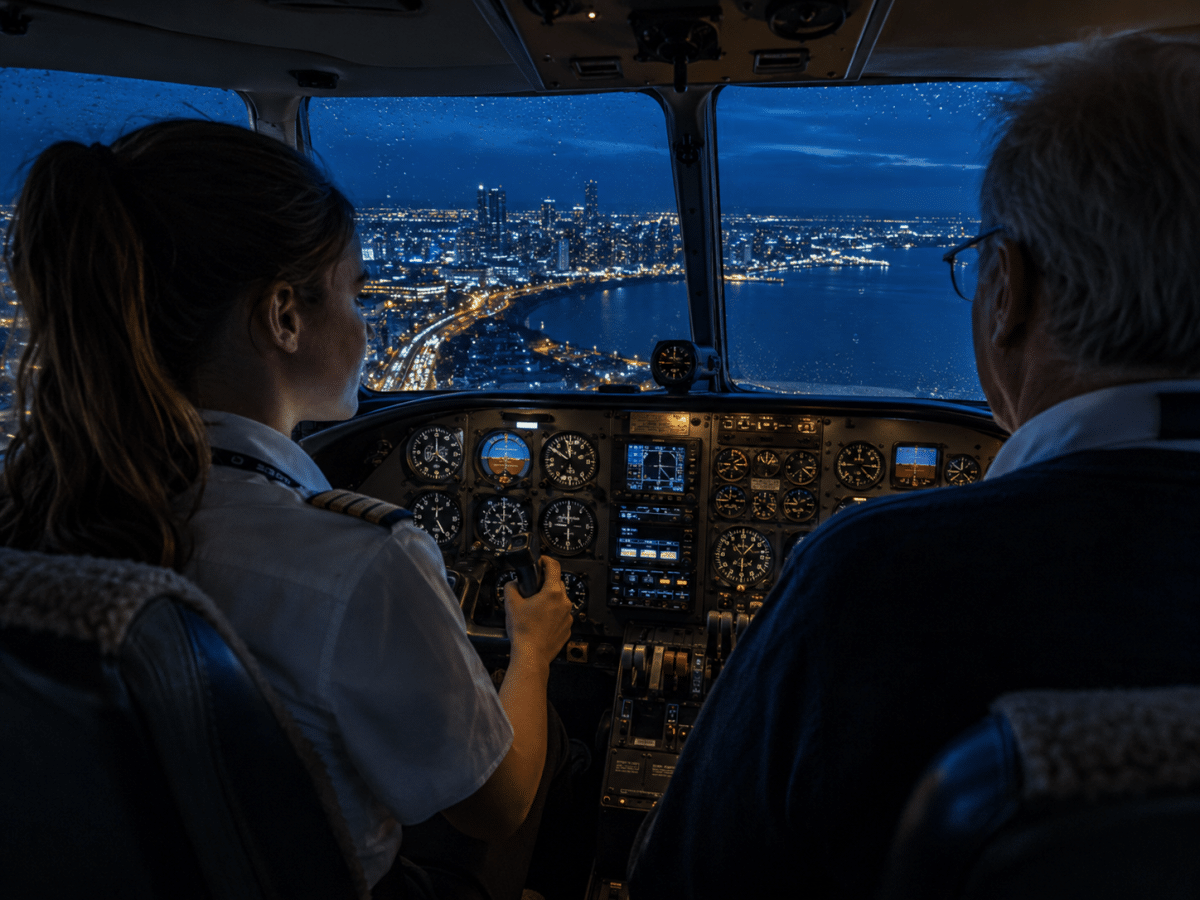
pilot training

What Is Pilot Training?

Pilot training is the structured education and flight instruction required to become a licensed pilot. In Australia, it includes theory study, practical flight hours, medical certification, and flight tests under CASA regulations. Training pathways range from a Recreational Pilot Licence (RPL) to a Commercial Pilot Licence (CPL) and Airline Transport Pilot Licence (ATPL).

Table of Contents

  1. How Pilot Training Works in Australia
  2. CASA Regulations and Licensing Pathways
  3. Types of Pilot Training Licences Explained
  4. Pilot Training Costs in Australia
  5. Entry Requirements for Pilot Training
  6. Step-by-Step Pilot Training Checklist
  7. Theory, Flight Hours and Assessments
  8. Onshore vs Regional Pilot Training Comparison
  9. Career Pathways After Pilot Training
  10. Choosing the Right Flight School in Australia
  11. People Also Ask About Pilot Training
  12. Expert Q&A: Advanced Pilot Training Questions
  13. Conclusion: Your Next Step Toward the Flight Deck

How Pilot Training Works in Australia

Pilot training in Australia is regulated by the Civil Aviation Safety Authority (CASA), the national aviation authority. CASA sets standards for:

  • Licensing
  • Medical certification
  • Flight training syllabuses
  • Instructor qualifications
  • Testing and assessment

Because aviation safety is critical, training is competency-based. That means students must demonstrate skill and knowledge proficiency not just log hours.

According to CASA’s official guidance, all flight crew licences require theoretical knowledge examinations and practical flight tests conducted by authorised examiners. This ensures consistency across Australia.

In practice, students enrol in a CASA-approved flight school, complete theory modules, accumulate flight hours, and sit both written and flight tests.

CASA Regulations and Pilot Training Pathways

Before starting pilot training, you must understand the Australian licence structure. Each licence level allows different operational privileges.

The framework is set out under CASA Part 61 licensing regulations. These rules define experience requirements, medical standards, and aircraft category ratings.

You can review the broader aviation regulatory structure via the Australian Government Federal Register of Legislation.

Importantly, these regulations are administrative requirements. Students should always confirm details directly with their flight school or a CASA-approved training organisation.

Types of Pilot Training Licences Explained

1. Recreational Pilot Licence (RPL)

  • Minimum 25 flight hours (CASA requirement)
  • Day VFR only (Visual Flight Rules)
  • Limited passenger and distance privileges

The RPL suits hobby pilots. However, it is not designed for airline careers.

2. Private Pilot Licence (PPL)

  • Minimum 40 flight hours
  • Can carry passengers
  • Allows cross-country flying

The PPL is often the first major milestone in pilot training.

3. Commercial Pilot Licence (CPL)

  • Minimum 150–200 flight hours (depending on integrated vs non-integrated pathway)
  • Allows you to be paid as a pilot

Most career-focused students aim for CPL.

4. Airline Transport Pilot Licence (ATPL)

  • Required to act as Captain in airline operations
  • Requires extensive flight hours (typically 1,500 total time)
  • Advanced theory exams

According to the International Civil Aviation Organization (ICAO), ATPL represents the highest standard of pilot certification globally.

Pilot Training Costs in Australia

One of the most searched questions about pilot training is cost. While prices vary between schools and aircraft types, approximate 2026 estimates are:

LicenceEstimated Cost (AUD)Notes
RPL$12,000–$18,000Basic entry level
PPL$20,000–$30,000Includes cross-country
CPL$65,000–$90,000Career-level training
Integrated CPL Program$85,000–$120,000Structured full-time

These figures are estimates and vary depending on:

  • Aircraft type (e.g., Cessna 172 vs Diamond DA40)
  • Fuel costs
  • Instructor rates
  • Weather delays
  • Student progression speed

From my experience, students should budget an additional 10–15% contingency to account for revision flights and exam resits.

Entry Requirements for Pilot Training in Australia

Before starting pilot training, students must:

  • Be at least 16 (RPL) or 17 (PPL)
  • Hold an Aviation Reference Number (ARN) from CASA
  • Pass a CASA aviation medical examination
  • Demonstrate English language proficiency

Medical certification is mandatory. Class 1 medical is required for CPL. Class 2 is sufficient for PPL.

Medical standards ensure pilots meet vision, hearing, cardiovascular, and neurological requirements. These are safety-based administrative assessments.

Step-by-Step Pilot Training Checklist

Here’s a simplified onboarding checklist:

  1. Research CASA-approved flight schools.
  2. Apply for an Aviation Reference Number (ARN).
  3. Book a CASA medical exam.
  4. Complete a Trial Introductory Flight.
  5. Enrol in theory coursework.
  6. Begin dual flight instruction.
  7. Progress to first solo flight.
  8. Complete cross-country navigation training.
  9. Sit CASA theory exams.
  10. Undertake final flight test.

This checklist helps students avoid common delays.

Theory, Flight Hours and Assessments

Pilot training is split into two parallel tracks:

1. Theory Knowledge

Subjects include:

  • Aerodynamics
  • Meteorology
  • Navigation
  • Air law
  • Human factors
  • Aircraft systems

Theory exams are computer-based and conducted through CASA-authorised providers.

2. Practical Flight Training

Flight training includes:

  • Aircraft handling
  • Circuit procedures
  • Emergency management
  • Navigation flights
  • Instrument appreciation

From my observation, students often underestimate the workload of meteorology and navigation. Consistent weekly study improves success rates significantly.

Onshore Metro vs Regional Pilot Training in Australia

Choosing location impacts experience and cost.

FactorMetro (e.g., Melbourne)Regional
Airspace ComplexityHighModerate
Radio WorkIntensiveModerate
Weather VarietyDiverseOften stable
Training DelaysPossible congestionFewer aircraft
ExposureControlled airspaceUncontrolled + CTAF

For example, training in controlled airspace builds strong radio confidence early. However, regional airports may offer more consistent scheduling.

Career Pathways After Pilot Training

Once CPL is achieved, common entry roles include:

  • Flight Instructor
  • Charter pilot
  • Aerial survey
  • Regional airline First Officer

Australia’s aviation industry has cyclical hiring patterns. According to the Australian Government’s Job Outlook data (labour market statistics), pilot employment demand fluctuates based on airline expansion and economic growth.

Building hours is critical. Most airline roles require:

  • Multi-engine rating
  • Instrument rating
  • Night VFR rating
  • Minimum flight experience benchmarks

Choosing the Right Pilot Training Organisation

When evaluating schools, consider:

  • CASA approval status
  • Aircraft fleet age and maintenance standards
  • Instructor experience
  • Safety record
  • Student progression rates
  • Structured syllabus clarity

If you are exploring structured and career-focused pilot training in Victoria, you can review detailed course pathways through this comprehensive Australian pilot training provider:
Explore professional pilot training programs in Australia

Always compare program outlines carefully before enrolling.

People Also Ask: Pilot Training in Australia

How long does pilot training take in Australia?

Full-time integrated CPL pilot training typically takes 12–18 months. Part-time training can take 2–4 years depending on availability and finances.

Is pilot training hard?

Pilot training is academically demanding but manageable with discipline. Students must balance theory study, flight practice, and revision. Strong time management makes a significant difference.

Do I need university for pilot training?

No university degree is required for CASA licensing. However, some airlines may prefer tertiary qualifications during recruitment.

What medical is required for pilot training?

A Class 2 medical is required for PPL. A Class 1 medical is mandatory for CPL and airline pathways.

Can international students do pilot training in Australia?

Yes, provided visa conditions allow study. Administrative immigration requirements should be reviewed with a registered migration agent.

Expert Q&A: Advanced Pilot Training Insights

1. What is the difference between integrated and non-integrated CPL pilot training?

Integrated pilot training is a structured, full-time program approved by CASA with reduced total hour requirements. Non-integrated training allows flexibility but may require more total flight time.

2. How important is aircraft type during pilot training?

Primary training aircraft (e.g., single-engine piston) matter less than training quality. However, modern glass cockpit exposure can ease transition to airline environments.

3. When should I start instrument rating during pilot training?

Most students begin instrument rating immediately after CPL. However, starting theory earlier can shorten total career progression time.

4. How do pilots build hours after CPL?

Common methods include instructing, charter operations, and aerial survey work. Each builds different operational competencies.

5. Is financing pilot training common in Australia?

Some schools offer staged payment options. External loans are possible but should be assessed carefully due to variable aviation income early in careers.

Conclusion: Starting Your Pilot Training Journey

Pilot training in Australia is structured, regulated, and achievable with preparation and commitment. While costs and workload are significant, the pathway is clearly defined by CASA standards and global aviation frameworks.

Most importantly, successful students treat pilot training like a professional investment from day one. They plan finances, schedule theory study early, and seek structured programs aligned with career goals.

If you’re ready to take the next step, review detailed Australian training pathways and speak with an approved flight training organisation to map your route to the cockpit.

Your aviation journey begins with informed decisions and consistent action.

The Ultimate Guide to PPL in Australia

If you’re searching for a ppl in Australia, you’re likely dreaming about flying your own aircraft, exploring regional airstrips, or even building hours toward a commercial aviation career. A Private Pilot Licence (PPL) is one of the most recognised and respected aviation qualifications in the world, and in Australia it’s regulated under strict Civil Aviation Safety Authority (CASA) standards.

From my experience working alongside flight instructors and student pilots, the journey toward a PPL is both exciting and structured. However, understanding the process, cost, requirements, and long-term value makes all the difference. This guide explains everything clearly, using accurate Australian data and practical insight.

ppl australia

What Is a PPL?

A PPL (Private Pilot Licence) in Australia is a CASA-issued qualification that allows you to fly single-engine aircraft privately, carry passengers, and operate under Visual Flight Rules (VFR). It does not permit paid flying but provides greater privileges and flexibility than a Recreational Pilot Licence (RPL).

Table of Contents

  1. What Is a PPL in Australia?
  2. Why Get a PPL in Australia?
  3. CASA Requirements for a PPL
  4. PPL vs RPL vs CPL Comparison Table
  5. Step-by-Step Checklist to Earn Your PPL
  6. How Much Does a PPL Cost in Australia?
  7. How Long Does It Take to Complete a PPL?
  8. Medical Requirements for a PPL
  9. What Aircraft Can You Fly With a PPL?
  10. People Also Ask About PPL in Australia
  11. Expert Q&A: Advanced Questions About PPL
  12. Conclusion: Your Next Step Toward a PPL

What Is a PPL in Australia?

A PPL in Australia is regulated by the Civil Aviation Safety Authority (CASA), the national aviation regulator responsible for flight safety standards. According to the Civil Aviation Safety Authority (CASA), a Private Pilot Licence allows you to:

  • Fly single-engine aircraft
  • Carry passengers
  • Operate Australia-wide under VFR
  • Build flight time toward advanced licences

Unlike a Recreational Pilot Licence (RPL), a PPL allows greater operational flexibility, including longer cross-country flights and access to more aircraft types.

Importantly, a PPL does not allow you to receive payment for flying. Commercial privileges require a CPL (Commercial Pilot Licence).

Why Get a PPL in Australia?

There are several reasons Australians pursue a PPL:

1. Personal Freedom

A PPL allows you to travel between regional airports without airline schedules. For example, many pilots fly from Melbourne to coastal Victorian destinations for weekend trips.

2. Career Progression

If you plan to become a commercial pilot, a PPL is typically the next step after an RPL and before a CPL.

3. Skill Development

The PPL requires more advanced navigation, aeronautical knowledge, and flight planning skills than entry-level licences.

Moreover, Australia’s aviation environment diverse weather systems, controlled airspace, and regional aerodromes provides robust training conditions.

CASA Requirements for a PPL

To obtain a PPL in Australia, you must meet CASA Part 61 requirements.

According to CASA regulations:

  • Minimum age: 17 years
  • English language proficiency required
  • Minimum 40 flight hours (including:
    • 10 hours solo
    • 5 hours solo cross-country
    • 5 hours instrument time)
  • Pass the PPL theory exam
  • Pass a flight test with a CASA-approved examiner
  • Hold at least a Class 2 aviation medical

Full regulatory details are outlined under CASA Part 61 Flight Crew Licensing.

However, while 40 hours is the legal minimum, most students complete their PPL between 55–70 hours, depending on consistency and aptitude.

PPL vs RPL vs CPL in Australia

Understanding how a PPL compares is crucial.

FeatureRPLPPLCPL
Carry passengersYesYesYes
Fly commerciallyNoNoYes
Cross-country privilegesLimitedYesYes
Minimum hours2540150–200
Medical requirementClass 2 or BasicClass 2Class 1
Typical purposeRecreationalPrivate flyingCareer

Therefore, a PPL sits in the middle: broader privileges than an RPL, but without commercial rights.

Step-by-Step Checklist to Earn Your PPL in Australia

Here’s a practical roadmap:

  1. Choose a CASA-approved flight school
  2. Obtain a CASA ARN (Aviation Reference Number)
  3. Complete a Class 2 medical examination
  4. Begin dual flight training
  5. Study for the PPL theory exam
  6. Complete solo training and cross-country navigation
  7. Log minimum required flight hours
  8. Pass the PPL theory exam
  9. Undertake a flight test with an examiner
  10. Receive your PPL qualification

When selecting a school, ensure they operate modern, well-maintained aircraft and structured theory support. For example, you can explore professional PPL training programs through private pilot licence training in Australia to understand available pathways.

How Much Does a PPL Cost in Australia?

The cost of a PPL varies by aircraft type, location, and training pace.

Estimated Cost Range (2025)

  • Aircraft hire: $300–$450 per hour
  • Instructor fees: $80–$120 per hour
  • Theory materials & exam: $300–$600
  • Medical: $250–$400
  • Flight test: $800–$1,200

Total Estimated Investment:

The total cost of earning a PPL in Australia depends on whether you are starting from zero experience or upgrading from an RPL.

  • $40,000 – $50,000 AUD
    If completing both RPL and PPL training from the beginning
  • $20,000 – $30,000 AUD
    If you have already completed your RPL and are upgrading to a PPL

These estimates include aircraft hire, instructor time, theory training, exams, flight test fees, and associated administrative costs. Actual costs vary depending on flight frequency, aircraft type, student proficiency, and weather delays.

How Long Does It Take to Complete a PPL?

Completion time depends on frequency of training.

  • Flying 2–3 times per week: 4–6 months
  • Flying once per week: 8–12 months
  • Irregular training: May exceed 12 months

Consistency improves skill retention and reduces total cost. In my observation, students who train regularly complete their PPL more efficiently and confidently.

Medical Requirements for a PPL

A PPL requires a Class 2 aviation medical issued by a CASA-designated aviation medical examiner (DAME).

The assessment includes:

  • Vision testing
  • Hearing assessment
  • Cardiovascular check
  • Medical history review

Class 2 standards are less strict than Class 1 (required for commercial pilots), yet they still ensure passenger safety.

Medical requirements are administrative aviation standards and should be reviewed with a licensed medical examiner, not interpreted as personal medical advice.

What Aircraft Can You Fly With a PPL?

A PPL typically allows you to operate:

  • Single-engine piston aircraft
  • Day VFR operations
  • Aircraft within your endorsed class rating

Additional endorsements are required for:

  • Night VFR
  • Instrument ratings
  • Multi-engine aircraft

Therefore, while a PPL is powerful, endorsements expand its privileges.

People Also Ask About PPL in Australia

1. Is a PPL worth it in Australia?

Yes, if you value aviation freedom or plan to pursue a career. A PPL provides greater privileges than an RPL and builds essential skills for advanced training.

2. Can I fly interstate with a PPL?

Yes. A PPL allows cross-country and interstate flying under VFR, provided you comply with airspace and operational requirements.

3. How many hours do most people need for a PPL?

Although CASA sets a 40-hour minimum, most students require 55–70 hours to reach flight test standard.

4. Can I convert my Australian PPL overseas?

In many cases, yes. Australia aligns with ICAO standards, but each country has its own validation process.

5. Can I take friends flying with a PPL?

Yes. You may carry passengers, but you cannot receive payment or operate commercially.

Expert Q&A: Advanced PPL Questions

1. How does Australian airspace complexity affect PPL training?

Australia includes Class C, D, E, and G airspace. Training often includes controlled aerodrome operations, which strengthens radio communication and situational awareness.

2. What is the difference between Day VFR and Night VFR privileges?

Day VFR allows flying during daylight under visual conditions. Night VFR requires additional training and endorsement.

3. Does a PPL expire in Australia?

The licence itself does not expire, but you must maintain medical validity and flight review currency every 24 months.

4. Can a PPL holder build hours toward a CPL?

Yes. All logged flight time counts toward the aeronautical experience required for a CPL, subject to CASA rules.

5. What are common reasons students take longer to complete a PPL?

Inconsistent training, weather interruptions, financial pauses, and exam preparation delays are the most common factors.

Conclusion: Is a PPL in Australia Right for You?

A ppl in Australia represents freedom, responsibility, and structured aviation training under one of the world’s most respected safety systems. While the investment in time and money is considerable, the reward is the ability to command an aircraft independently and safely.

If you’re serious about starting your aviation journey, explore structured, CASA-aligned programs through professional PPL training pathways in Australia and speak with a qualified instructor about your goals.

The sky isn’t a shortcut, it’s a commitment. However, with the right preparation and guidance, earning your PPL can be one of the most empowering achievements of your life.

Ultimate Guide to Learn to Fly in Australia

learn to fly

Table of Contents

  1. Introduction
  2. What Does It Mean to Learn to Fly? 
  3. Why Learn to Fly in Australia?
  4. Learn to Fly: Licence Options in Australia
  5. Step-by-Step Checklist to Learn to Fly
  6. Medical Requirements Explained
  7. How Much Does It Cost to Learn to Fly?
  8. Training Timeline: How Long Does It Take?
  9. Flight School Comparison Table
  10. What to Expect in Your First Flying Lesson
  11. Safety, Standards and CASA Oversight
  12. Career Pathways After You Learn to Fly
  13. People Also Ask
  14. Expert Q&A Section
  15. Conclusion

Introduction

Many Australians search “learn to fly” each year because aviation offers freedom, challenge and genuine career opportunities. Whether you want to fly recreationally or pursue a professional aviation career, learning to fly in Australia is structured, regulated and achievable with the right guidance. From my experience working alongside student pilots and instructors, the key to success is understanding the process clearly before you begin.

Australia has one of the world’s most respected aviation safety systems. Training is regulated by the Civil Aviation Safety Authority (CASA), which ensures standards are consistent nationwide. As a result, when you learn to fly here, your qualifications are internationally respected.

However, many aspiring pilots feel overwhelmed at first. What licence do you need? How much does it cost? How long does it take? This guide answers those questions clearly, using Australian terminology and verified sources.

learn to fly

What Does It Mean to Learn to Fly? 

To learn to fly in Australia means completing structured flight training under CASA regulations to safely operate an aircraft. Students undertake theory study, practical flight lessons and medical certification before earning a pilot licence such as a Recreational, Private or Commercial Pilot Licence.

Why Learn to Fly in Australia?

Australia offers unique advantages for flight training.

Firstly, the country’s diverse geography provides exposure to coastal, rural and controlled airspace environments. Secondly, weather conditions in many regions allow year-round training. Finally, Australian aviation standards are globally respected.

According to the Civil Aviation Safety Authority (CASA), Australia maintains a strict regulatory framework designed to uphold aviation safety. CASA sets licensing standards, medical requirements and operational rules for pilots.

Additionally, Australia’s aviation industry continues to show long-term demand for skilled pilots. While aviation hiring fluctuates with economic cycles, regional airlines, charter operations and flight schools consistently require qualified professionals.

Learn to Fly: Licence Options in Australia

Before you learn to fly, you need to understand your licence pathway. In Australia, pilot licences are issued under Part 61 of the Civil Aviation Safety Regulations.

1. Recreational Pilot Licence (RPL)

  • Entry-level licence
  • Fly up to 25 nautical miles from departure aerodrome (unless endorsed)
  • No requirement to learn controlled airspace initially
  • Minimum 25 hours flight time (CASA requirement)

Ideal for hobby pilots who want local flying privileges.

2. Private Pilot Licence (PPL)

  • Fly further distances
  • Carry passengers
  • Operate in controlled airspace (with appropriate endorsements)
  • Minimum 40 hours flight time (CASA requirement)

This is the most common licence for private flying.

3. Commercial Pilot Licence (CPL)

  • Allows you to be paid to fly
  • Minimum 150–200 hours total flight time depending on training pathway
  • Required for airline and charter careers

CASA outlines these standards in Part 61 licensing regulations. You can review official requirements on the CASA website.

Step-by-Step Checklist to Learn to Fly in Australia

If you’re ready to begin, follow this structured checklist:

  1. Choose a CASA-certified flight school
  2. Complete a Class 1 or Class 2 aviation medical (as required)
  3. Apply for an Aviation Reference Number (ARN) through CASA
  4. Begin theory training and ground school
  5. Start practical flight lessons with a qualified instructor
  6. Complete required solo flight hours
  7. Pass the relevant CASA theory exam
  8. Complete your flight test with a CASA-approved examiner
  9. Receive your pilot licence

Each step is administrative and safety-focused. Importantly, flight schools typically guide students through these processes; however, medical and licensing approvals remain regulated by CASA.

Medical Requirements Explained

Medical certification is mandatory before you can fly solo.

CASA medicals are conducted by Designated Aviation Medical Examiners (DAMEs). There are different classes:

  • Class 1 Medical: Required for Commercial Pilots
  • Class 2 Medical: Required for Private Pilots
  • Recreational Aviation Medical Practitioner’s Certificate (RAMPC): For some recreational operations

According to CASA’s aviation medical standards, assessments examine vision, hearing, cardiovascular health and overall fitness to ensure aviation safety.

For full guidance, refer to CASA’s aviation medical information:
CASA Aviation Medical Requirements

How Much Does It Cost to Learn to Fly in Australia?

Costs vary depending on the licence type, aircraft category, training structure and fuel pricing.

As a general guide in the current Australian training environment:

  • Private Pilot Licence (PPL): Typically ranges between $40,000 and $50,000 AUD
  • Commercial Pilot Licence (CPL): Can exceed $95,000 AUD, particularly when including additional ratings such as multi-engine and instrument endorsements

These figures are indicative estimates and may vary between flight schools. Factors influencing cost include aircraft hire rates, instructor fees, landing charges, examination fees and additional flight hours beyond the minimum CASA requirements.

Before enrolling, it is wise to request a detailed cost breakdown from your chosen training provider to understand inclusions and potential additional expenses.

Training Timeline: How Long Does It Take?

How long it takes to learn to fly depends on frequency and consistency.

  • Training once per week: 12–18 months for PPL
  • Training full-time: 3–6 months for PPL
  • Integrated CPL program: 12–18 months full-time

Consistency matters. Skills develop faster when lessons occur regularly. Weather, aircraft availability and personal study habits also influence timelines.

Flight School Comparison Table

Choosing the right school is crucial.

FactorSmaller Regional SchoolLarger Metro Academy
Student NumbersLowerHigher
Aircraft FleetLimited but personalisedLarger fleet
Airspace ExposureOften non-controlledMixed controlled airspace
Career PathwaysLimited partnershipsAirline pathway programs
Training PaceFlexibleStructured

When evaluating schools, consider aircraft maintenance standards, instructor experience and student support systems.

If you’re exploring structured pilot training options, review detailed program pathways at a reputable Australian flight training academy such as this comprehensive pilot training provider:
Professional pilot training programs in Australia

What to Expect in Your First Flying Lesson

Your first flying lesson is carefully structured to build confidence while introducing you to the fundamentals of aircraft operation. You will not simply observe, you will actively participate under the close supervision of a qualified flight instructor.

Your first lesson typically includes:

  • Aircraft safety briefing – An introduction to emergency procedures, cockpit layout, communication protocols and general safety awareness.
  • Pre-flight inspection – A guided external and internal inspection of the aircraft to confirm it is serviceable and safe to operate.
  • Taxiing practice – Instruction on manoeuvring the aircraft safely on the ground using rudder pedals and controlled throttle inputs.
  • Effects of Controls flight – A foundational airborne exercise demonstrating how control inputs affect pitch, roll and yaw, helping you understand how the aircraft responds in flight.

In practice, the “Effects of Controls” exercise is where many students first appreciate how precise and responsive an aircraft can be. It forms the technical basis for all future manoeuvres and navigation training.

Safety, Standards and CASA Oversight

Australia’s aviation framework is built on safety management systems (SMS), instructor standardisation and regulatory oversight.

CASA enforces operational rules under the Civil Aviation Act and Civil Aviation Safety Regulations. These are administrative and regulatory standards, not personal legal advice. Flight schools must operate under approved manuals and audit systems.

According to CASA’s publicly available safety data, Australia maintains strong aviation safety benchmarks compared to global averages.

Career Pathways After You Learn to Fly

Once licensed, options include:

  • Private aircraft ownership
  • Charter flying
  • Flight instruction (with additional rating)
  • Regional airline operations
  • Corporate aviation

Progression typically follows this structure:

  1. Commercial Pilot Licence
  2. Multi-Engine Rating
  3. Instrument Rating
  4. Flight Instructor Rating or airline recruitment

Airline recruitment depends on industry cycles, hours logged and regulatory compliance.

People Also Ask

How long does it take to learn to fly in Australia?

Most students complete a Private Pilot Licence within 6–18 months, depending on frequency. Full-time programs can be faster, while part-time training may extend longer due to scheduling and weather.

Is it hard to learn to fly?

Learning to fly requires discipline and study, but it is achievable with structured instruction. Students develop skills progressively, starting with basic control before advancing to navigation and emergency procedures.

How much does it cost to learn to fly in Australia?

Costs vary by licence and aircraft type. A Private Pilot Licence typically ranges between $20,000 and $30,000 AUD, while commercial training can exceed $70,000 AUD.

Do I need perfect eyesight to learn to fly?

No. Many pilots wear glasses or contact lenses. However, you must meet CASA’s minimum aviation medical vision standards.

Expert Q&A Section

1. What theory exams are required when you learn to fly?

For an RPL, theory is often conducted in-house. For a PPL or CPL, CASA requires formal theory exams covering navigation, meteorology, aerodynamics and air law.

2. Can international students learn to fly in Australia?

Yes, but visa and English language requirements apply. Flight schools provide administrative guidance; however, immigration advice should be confirmed through licensed migration professionals.

3. What aircraft types are used in beginner training?

Most Australian schools use single-engine trainers such as Cessna 172 or Piper Warrior aircraft due to reliability, cost efficiency and forgiving handling characteristics.

4. Is learning to fly safe?

Statistically, structured flight training under CASA oversight maintains strong safety standards. Risk is managed through instructor supervision, maintenance programs and regulated procedures.

5. What happens if I fail a flight test?

If a flight test is unsuccessful, you receive targeted retraining before reattempting. Many students require additional practice in certain manoeuvres; this is normal and part of the learning process.

Conclusion

Choosing to learn to fly in Australia is both an exciting and structured journey. With CASA regulation, reputable flight schools and clearly defined licence pathways, aspiring pilots can progress confidently from first lesson to professional qualification.

While costs and timelines vary, consistent training, medical readiness and theory preparation make the process manageable. Most importantly, aviation rewards commitment and discipline.

If you’re ready to begin, explore structured, CASA-aligned training pathways and take your first step toward the cockpit today.

The Ultimate Guide to CPL in Australia: Costs, Requirements & Career Pathways

CPL

Becoming a cpl holder in Australia is a major milestone for any aspiring professional pilot. Whether your goal is to fly charter, instruct students, operate regional airline services, or build hours toward an ATPL, the Commercial Pilot Licence (CPL) is the qualification that turns your passion into a paid profession.

From my experience working with student pilots across Australia, the biggest challenges aren’t just flight hours they’re understanding CASA requirements, planning finances realistically, and choosing the right training pathway.

This comprehensive guide explains everything you need to know about earning a CPL in Australia, using verified information from reputable aviation authorities and real-world industry context.

What Is a CPL?

A CPL (Commercial Pilot Licence) in Australia is a qualification issued by the Civil Aviation Safety Authority (CASA) that allows a pilot to be paid for flying. To obtain a CPL, candidates must complete approved training, pass theory exams, meet medical standards, and log the required flight hours under CASA regulations.

Table of Contents

  1. What Is a CPL in Australia?
  2. CPL vs PPL: What’s the Difference?
  3. CASA Requirements for a CPL
  4. CPL Flight Hour Requirements Explained
  5. CPL Theory Exams and Subjects
  6. Medical Standards for CPL in Australia
  7. How Much Does a CPL Cost in Australia?
  8. Integrated vs Non-Integrated CPL Training
  9. Step-by-Step CPL Training Checklist
  10. Career Options After a CPL
  11. CPL Timeline: How Long Does It Take?
  12. People Also Ask About CPL
  13. Expert Q&A: Advanced CPL Questions
  14. Conclusion: Starting Your CPL Journey

What Is a CPL in Australia?

A CPL allows you to legally work as a professional pilot in Australia. It is regulated by the Civil Aviation Safety Authority (CASA), which oversees aviation safety standards nationwide.

With a CPL, you can:

  • Be paid to fly
  • Conduct charter operations
  • Work as a flight instructor (with additional rating)
  • Operate aerial work (survey, agricultural, photography)
  • Build hours toward an Airline Transport Pilot Licence (ATPL)

However, you cannot act as captain of a multi-crew airline operation without an ATPL. Therefore, a CPL is often considered the “professional entry point” into aviation.

CPL vs PPL: What’s the Difference?

Many students begin with a Private Pilot Licence (PPL). However, there are key differences.

FeaturePPLCPL
Paid to fly?NoYes
Minimum flight hours40150–200
CASA medicalClass 2Class 1
Theory depthModerateAdvanced
Career pathwayRecreationalProfessional

In short, a PPL allows private flying, while a CPL enables commercial aviation employment.

CASA Requirements for a CPL

To obtain a CPL in Australia, CASA requires candidates to meet standards outlined in Part 61 of the Civil Aviation Safety Regulations.

According to CASA, CPL applicants must:

  • Be at least 18 years old
  • Hold at least a Class 1 Medical Certificate
  • Pass the CPL theory examination
  • Complete required flight training hours
  • Pass a CPL flight test

You can review official licensing guidance via CASA’s licensing section here:
CASA Flight Crew Licensing

Importantly, administrative compliance including medical validity and logbook certification must be reviewed carefully. While flight schools assist with documentation, final licence approval remains CASA’s responsibility.

CPL Flight Hour Requirements Explained

Flight hour requirements vary depending on training pathway:

Aeroplane CPL (Typical Requirements)

  • Minimum 150 hours (integrated course)
  • 200 hours (non-integrated pathway)
  • 100 hours Pilot in Command (PIC)
  • 20 hours cross-country PIC
  • 10 hours instrument time

These numbers are defined under CASA Part 61 standards. However, most students exceed minimums before they feel fully prepared for the flight test.

From my experience observing training outcomes in Australia, students who aim for 180–220 hours often feel significantly more confident entering commercial operations.

CPL Theory Exams and Subjects

CPL theory is significantly more advanced than PPL knowledge. Subjects include:

  1. Aerodynamics
  2. Aircraft General Knowledge
  3. Meteorology
  4. Navigation
  5. Flight Planning
  6. Human Factors
  7. Air Law
  8. Performance

The CASA CPL theory exam consolidates these areas into a comprehensive test.

According to the Australian Government’s aviation regulatory framework, knowledge requirements are designed to ensure pilots can safely manage complex commercial operations.

Strong preparation is critical. Many students underestimate performance calculations and advanced meteorology.

Medical Standards for CPL in Australia

A CPL requires a CASA Class 1 Medical Certificate.

This includes:

  • ECG (depending on age)
  • Vision testing
  • Hearing checks
  • General health assessment

Medical assessments are conducted by a Designated Aviation Medical Examiner (DAME).

It’s wise to obtain your Class 1 medical early in training to avoid costly surprises later.

How Much Does a CPL Cost in Australia?

CPL costs vary depending on location, aircraft type, and training structure.

Estimated CPL Cost Range (Australia)

  • Non-integrated: AUD $65,000–$90,000
  • Integrated program: AUD $80,000–$110,000

These are estimates and can vary based on fuel prices, aircraft availability, and additional ratings (e.g., multi-engine, instrument rating).

Students should budget for:

  • Flight hours
  • Instructor time
  • Landing fees
  • CASA exam fees
  • Medical assessments
  • Study materials

Always request a transparent training cost breakdown before enrolling.

Integrated vs Non-Integrated CPL Training

Choosing the right structure matters.

FeatureIntegrated CPLNon-Integrated CPL
Structured syllabusYesFlexible
Minimum hours150200
Full-time studyYesOptional
TimelineFasterVariable
Ideal forCareer-focused studentsFlexible learners

Integrated courses suit students committed to a professional pathway. Meanwhile, non-integrated pathways allow part-time progression.

If you’re exploring structured commercial pilot training in Melbourne, review the professional programs available at Learn To Fly Australia’s commercial pilot training programs.

Step-by-Step CPL Training Checklist

Here’s a practical roadmap:

  1. Obtain a Class 1 Medical Certificate
  2. Complete PPL (if not already licensed)
  3. Enrol in CPL theory course
  4. Pass CPL theory exam
  5. Accumulate required flight hours
  6. Complete instrument and navigation training
  7. Sit CPL flight test
  8. Submit CASA licence application

Following this checklist reduces delays and helps maintain compliance with administrative requirements.

Career Options After a CPL

Once you hold a CPL, opportunities expand significantly.

Common Australian CPL career paths include:

  • Flight Instructor (with Instructor Rating)
  • Charter Pilot (regional operators)
  • Aerial Survey Pilot
  • Agricultural Pilot
  • Tourism/Scenic Flights
  • First Officer (with further ratings and hours)

According to industry data from the Australian aviation sector, regional airlines and charter services frequently recruit pilots building hours toward ATPL eligibility.

However, employment depends on experience, additional endorsements, and market demand.

CPL Timeline: How Long Does It Take?

Full-time integrated students may complete a CPL in 12–18 months.

Part-time students may take 2–4 years depending on availability and finances.

Weather conditions in Australia, especially in southern states during winter, can influence training pace. Therefore, planning flexibility is essential.

People Also Ask About CPL

How many hours do you need for a CPL in Australia?

Most students require 150–200 flight hours depending on the training pathway. However, many exceed minimums before attempting the flight test.

Can you go straight to CPL without PPL?

Yes, through an integrated course. However, non-integrated pathways typically require holding a PPL first.

Is a CPL enough to work for an airline?

Not as captain. A CPL allows commercial work, but airline captains require an ATPL. Most airline first officers begin with a CPL and additional ratings.

How hard is the CPL theory exam?

It is significantly more complex than PPL theory. Performance, meteorology, and air law require strong preparation and disciplined study.

How much does a CPL pilot earn in Australia?

Entry-level charter or instructor roles may start around AUD $55,000–$75,000 annually (estimates vary). Airline salaries increase substantially with experience and ATPL qualification.

Expert Q&A: Advanced CPL Questions

1. Does a CPL automatically include instrument privileges?

No. A CPL allows commercial operations in visual conditions. Instrument flying requires a separate Instrument Rating (IR).

2. Can overseas pilots convert a CPL to Australia?

Yes, but CASA requires licence verification, theory exams, and medical compliance. Conversion pathways depend on ICAO recognition.

3. What aircraft endorsements are needed after CPL?

Common endorsements include multi-engine class rating and design feature endorsements (e.g., retractable undercarriage, constant-speed propeller).

4. How long is a CPL valid?

The licence itself does not expire, but medical certificates and flight reviews must remain current to exercise privileges.

5. What’s the difference between CPL(A) and CPL(H)?

CPL(A) refers to aeroplanes, while CPL(H) refers to helicopters. Training hours and operational standards differ significantly.

Conclusion: Taking the Next Step Toward Your CPL

Earning a cpl in Australia is a serious commitment financially, academically, and professionally. However, it remains the gateway to a rewarding aviation career.

By understanding CASA requirements, planning your training pathway carefully, and budgeting realistically, you position yourself for long-term success.

If you’re ready to explore structured, CASA-aligned commercial pilot training in Australia, review the available programs and speak with experienced instructors at Learn To Fly. The right training environment can make all the difference between simply logging hours and building a professional aviation future.