
Select country
-->

The Complete Guide to Learn to Fly Melbourne (Australia)

Table of Contents

  1. Introduction
  2. What Does “Learn to Fly Melbourne” Mean? 
  3. Why Melbourne Is One of the Best Places to Learn to Fly
  4. Flight Training Licences in Australia Explained
  5. Step-by-Step Process to Learn to Fly in Melbourne
  6. Costs of Flight Training in Melbourne
  7. Comparison Table: Recreational vs Private vs Commercial Pilot Training
  8. Aircraft and Training Environments in Melbourne
  9. Choosing the Right Flight School in Melbourne
  10. Common Challenges When Learning to Fly
  11. Career Opportunities After Learning to Fly
  12. People Also Ask (PAA) About Learn to Fly Melbourne
  13. Expert Q&A About Flight Training in Melbourne
  14. Conclusion

Introduction

Many aspiring pilots search online for learn to fly Melbourne because the city has become one of Australia’s leading aviation training hubs. With several international airports, strong aviation infrastructure, and regulated training standards from the Civil Aviation Safety Authority (CASA), Melbourne offers excellent conditions for beginner pilots.

From my experience speaking with flight instructors and students in Australia, Melbourne is often recommended because it provides a mix of controlled and uncontrolled airspace. That environment helps trainees develop strong aviation decision-making skills early in their training.

Moreover, Australia has a structured aviation training system designed to ensure safety and professional competency. According to the Civil Aviation Safety Authority, all pilot licences require approved training and rigorous flight assessments to ensure pilots meet national safety standards.

For students interested in aviation careers or recreational flying, understanding how to start flight training in Melbourne is the first step toward the cockpit.

learn to fly melbourne

What Does “Learn to Fly Melbourne” Mean? 

Learning to fly in Melbourne means enrolling in a certified Australian flight training program where students receive ground school education and practical flight lessons to obtain licences such as a Recreational Pilot Licence (RPL), Private Pilot Licence (PPL), or Commercial Pilot Licence (CPL) under Civil Aviation Safety Authority regulations.

Why Melbourne Is One of the Best Places to Learn to Fly

Melbourne stands out as a training location for several reasons.

1. Diverse Airspace for Training

Melbourne’s aviation environment includes:

  • Controlled airspace around Melbourne Airport (Tullamarine)
  • Regional training airfields
  • Coastal flying routes
  • Busy aviation corridors

This diversity exposes students to real-world flight conditions early in their training.

2. Strong Aviation Infrastructure

Australia maintains strict aviation standards. The Civil Aviation Safety Authority (CASA) regulates flight schools, instructors, aircraft maintenance, and training syllabuses.

According to Civil Aviation Safety Authority, Australian flight schools must meet strict safety and training requirements before they can operate.

3. Weather Variety

Melbourne’s well-known “four seasons in one day” weather may seem challenging, but it actually helps pilots learn weather interpretation and decision-making.

Pilots trained in varied weather conditions typically develop stronger operational skills.

4. Growing Aviation Industry

The aviation sector in Australia is expanding. According to Bureau of Infrastructure and Transport Research Economics, air travel demand across Australia has steadily increased over the last decade, which supports long-term aviation career demand.

Flight Training Licences in Australia Explained

If you want to learn to fly Melbourne, understanding the licence pathway is essential.

Australia follows a progressive training structure.

Recreational Pilot Licence (RPL)

This is the entry-level licence.

It allows pilots to:

  • Fly light aircraft
  • Carry limited passengers
  • Operate within specific distance limits

The RPL is ideal for hobby flying.

Private Pilot Licence (PPL)

The PPL is the most common licence for recreational aviation enthusiasts.

It allows pilots to:

  • Fly cross-country
  • Carry passengers
  • Rent aircraft
  • Fly across Australia (with limitations)

Commercial Pilot Licence (CPL)

This licence is required for aviation careers.

With a CPL, pilots can:

  • Be paid to fly aircraft
  • Work as charter pilots
  • Progress toward airline careers

According to International Civil Aviation Organisation, professional pilot training worldwide follows similar staged licensing structures to ensure safety and competency.

Step-by-Step Process to Learn to Fly in Melbourne

Starting flight training may feel overwhelming. However, the process is structured and straightforward.

Step-by-Step Checklist

  1. Research flight schools in Melbourne
  2. Book a trial introductory flight
  3. Obtain an Aviation Reference Number (ARN)
  4. Complete a CASA aviation medical if required
  5. Start ground school training
  6. Begin practical flight lessons
  7. Complete solo flight milestone
  8. Pass theory examinations
  9. Complete flight test with an examiner
  10. Receive your pilot licence

Many training organisations simplify the process with structured programs. For example, students can explore professional pilot training pathways through the Learn to Fly Melbourne aviation training programs offered by specialised aviation academies.

Costs of Flight Training in Melbourne

The cost of learning to fly depends on aircraft type, instructor time, and licence level.

Typical estimates in Australia:

Licence TypeEstimated HoursEstimated Cost (AUD)
Recreational Pilot Licence33–45 hours$18,000 – $24,000
Private Pilot Licence55–85 hours$36,000 – $50,000
Commercial Pilot Licence150–200 hours$95,000 – $115,000

These are general estimates and vary depending on aircraft type and training pace.

Students who train consistently often complete their licences more efficiently.

Comparison Table: Pilot Training Pathways

FeatureRecreational Pilot LicencePrivate Pilot LicenceCommercial Pilot Licence
Main PurposeHobby flyingPersonal travelAviation career
Minimum Flight Hours~25~55~150+
Passenger CarryingLimitedYesYes
Paid FlyingNoNoYes
Cross-Country FlyingLimitedYesYes
Typical Training Time2-3 months (Full-time)6–9 months (Full-time)14–20 months (Full-time)

Understanding these differences helps aspiring pilots choose the right path.

Aircraft and Training Environments in Melbourne

Flight schools in Melbourne commonly train students on aircraft such as:

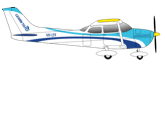
  • Cessna 172
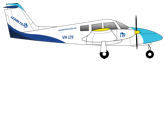
  • Piper Warrior
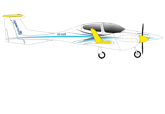
  • Diamond DA40
  • Cirrus SR20

These aircraft are used worldwide for pilot training due to their safety and reliability.

Modern training fleets often include glass cockpit avionics, which resemble the systems used in modern airline aircraft.

Learning with advanced avionics prepares students for professional aviation environments.

Choosing the Right Flight School in Melbourne

Selecting the right training organisation is crucial.

Important factors include:

Instructor Experience

Experienced instructors provide better mentoring and real-world aviation insights.

Fleet Quality

Modern aircraft improve reliability and safety.

Training Structure

Structured programs help students progress faster.

Aviation Pathways

Some schools offer integrated career pathways into commercial aviation.

Location

Melbourne has several training airports including:

  • Moorabbin Airport
  • Essendon Fields Airport
  • Melbourne Airport training zones

Each location offers different training environments.

Common Challenges When Learning to Fly

Learning to fly is rewarding but challenging.

1. Weather Delays

Melbourne weather can delay lessons, particularly during winter.

2. Information Overload

Students must learn aerodynamics, navigation, radio communication, and regulations simultaneously.

3. Confidence During Solo Flight

The first solo flight is a major milestone and often the most nerve-racking moment for student pilots.

However, proper training ensures students are fully prepared before flying solo.

Career Opportunities After Learning to Fly

Completing commercial pilot training can lead to various aviation careers.

Common pathways include:

  • Charter pilot
  • Flight instructor
  • Airline pilot
  • Corporate aviation
  • Agricultural aviation
  • Emergency medical services aviation

Australia’s aviation industry supports both domestic and international career opportunities.

People Also Ask About Learn to Fly Melbourne

How long does it take to learn to fly in Melbourne?

Most students complete a Recreational Pilot Licence within three to six months if they train regularly. However, the timeline varies depending on lesson frequency, weather conditions, and personal study time.

How much does it cost to learn to fly in Melbourne?

Flight training costs vary depending on licence level. Recreational licences may cost around $14,000 to $20,000, while professional commercial pilot training can exceed $90,000 due to the required flight hours.

Do you need perfect eyesight to learn to fly?

No. Many pilots wear corrective glasses or contact lenses. Aviation medical assessments simply ensure pilots meet CASA vision standards for safe aircraft operation.

Can international students learn to fly in Melbourne?

Yes. Australia is a popular destination for international aviation students due to its high training standards and English-language aviation environment.

What age can you start flight training in Australia?

Students can begin training at a young age, although licence issue requirements vary. Many flight schools allow introductory lessons during teenage years.

Expert Q&A: Learn to Fly Melbourne

What is the first flight lesson like in Melbourne?

The first lesson usually begins with a briefing on aircraft controls and safety procedures. Students then fly with an instructor, often experiencing basic manoeuvres such as climbs, turns, and straight-and-level flight.

Is Melbourne good for airline pilot training?

Yes. Melbourne’s aviation ecosystem includes busy airspace, advanced training aircraft, and regulated flight schools, which makes it suitable for students aiming for airline careers.

How often should you train to progress efficiently?

Training at least two to three times per week helps students retain skills and progress faster. Long gaps between lessons may slow skill development.

Do flight schools provide ground theory classes?

Most Australian flight schools include structured ground school programs that teach aerodynamics, navigation, meteorology, and aviation regulations.

What skills are most important for student pilots?

Successful pilots typically develop strong situational awareness, decision-making ability, communication skills, and disciplined study habits.

Conclusion

Choosing to learn to fly Melbourne is the beginning of an exciting aviation journey. With structured pilot licensing, advanced training aircraft, and regulated safety standards from the Civil Aviation Safety Authority, Melbourne provides one of the most supportive environments in Australia for aspiring pilots.

Whether your goal is recreational flying or a professional aviation career, understanding the training pathway, costs, and licensing process will help you make informed decisions.

If you’re ready to explore flight training options and start your journey toward becoming a pilot, you can learn more about professional aviation courses through the Learn to Fly Melbourne training programs available online.

Aviation Degree in Australia: Complete Guide for Future Pilots

Table of Contents

  1. Introduction
  2. What Is an Aviation Degree? 
  3. Why Study an Aviation Degree in Australia
  4. Types of Aviation Degrees Available in Australia
  5. What You Learn in an Aviation Degree Program
  6. Aviation Degree vs Pilot Licence Training
  7. Aviation Degree Entry Requirements in Australia
  8. Step-by-Step Checklist to Start an Aviation Degree
  9. Cost of Studying an Aviation Degree in Australia
  10. Career Opportunities After an Aviation Degree
  11. Top Aviation Training Environment in Australia
  12. Aviation Degree vs Diploma vs Flight School (Comparison Table)
  13. People Also Ask: Aviation Degree Questions
  14. Expert Q&A Section
  15. Conclusion

Introduction

An aviation degree is one of the most structured pathways for people in Australia who want to build a professional career in aviation. Whether you want to become a commercial pilot, aviation manager, flight instructor, or aviation safety specialist, a university-level aviation education provides both theoretical knowledge and industry-focused training.

From my experience researching aviation education pathways and speaking with flight instructors, many students assume that becoming a pilot only requires flight hours. However, in Australia the aviation industry increasingly values academic qualifications alongside licences, especially for airline careers and aviation management roles.

Australia is also one of the world’s most respected aviation training environments. The country’s vast airspace, strong regulatory standards, and excellent weather conditions make it ideal for flight training and aviation education.

For students searching online for a reputable aviation training pathway, institutions such as Learn to Fly Australia’s aviation training programs provide structured training environments aligned with Australian aviation standards.

However, before choosing a course, it’s important to understand what an aviation degree actually involves, what career outcomes it supports, and how it fits into the broader aviation training pathway.

aviation degree

What Is an Aviation Degree? 

An aviation degree is a university-level qualification that teaches the science, operations, and management of aviation. In Australia, it usually combines aviation theory, safety systems, meteorology, navigation, and sometimes pilot training to prepare graduates for careers such as commercial pilots, aviation managers, and aviation safety specialists.

Why Study an Aviation Degree in Australia

Australia has become a global hub for aviation training. Several factors contribute to its reputation.

1. Strong Aviation Regulations

Australia’s aviation industry is regulated by the Civil Aviation Safety Authority (CASA), which oversees pilot licensing, safety standards, and training requirements. According to the
CASA official website, Australia maintains internationally recognised aviation safety standards.

Because of this regulatory environment, aviation degrees and pilot training programs in Australia often meet high global benchmarks.

2. Excellent Flying Conditions

Australia offers:

  • Large, uncongested airspace
  • Consistent weather conditions
  • Modern training airports

These factors allow aviation students to complete flight training more efficiently compared with many other countries.

3. Global Career Opportunities

Graduates from Australian aviation programs often work internationally. Airlines in Asia-Pacific, the Middle East, and Europe recognise Australian pilot training standards.

Furthermore, the global aviation sector is expected to continue growing. According to the
International Air Transport Association (IATA), global air passenger demand is projected to grow steadily in the coming decades, which increases demand for aviation professionals.

Types of Aviation Degrees Available in Australia

Several types of aviation degrees exist depending on your career goals.

Bachelor of Aviation

This is the most common undergraduate aviation degree.

Typical focus areas include:

  • Flight operations
  • Aviation management
  • Aviation safety
  • Air transport operations

Some universities also offer integrated flight training.

Bachelor of Aviation Management

This program focuses more on the business and operational side of aviation.

Students learn about:

  • Airport operations
  • Aviation economics
  • airline management
  • aviation regulation

This pathway suits students who want to work in aviation administration rather than flying.

Aviation Safety Degrees

These programs specialise in:

  • safety systems
  • accident investigation
  • risk management
  • aviation human factors

These degrees are valuable for careers in aviation authorities and airline safety departments.

What You Learn in an Aviation Degree Program

An aviation degree combines theoretical knowledge with practical industry understanding.

Typical subjects include:

Aerodynamics

Students learn how aircraft generate lift and how aerodynamic principles affect aircraft performance.

Aviation Meteorology

Weather plays a critical role in aviation safety. Students learn to interpret weather systems and forecasts relevant to flight operations.

Navigation

Navigation training covers:

  • air navigation charts
  • satellite navigation
  • flight planning techniques

Human Factors in Aviation

Human factors study how pilot decision-making, fatigue, and cockpit communication affect safety.

The Australian Transport Safety Bureau highlights that human factors contribute significantly to aviation safety outcomes
(ATSB).

Aviation Degree vs Pilot Licence Training

One of the most common misconceptions is that an aviation degree automatically makes someone a pilot.

In reality, pilot licences are issued separately through flight training organisations approved by CASA.

Key differences

FeatureAviation DegreeDiploma Program
QualificationsAcademic degree + Pilot LicenceDiploma Certificate + Pilot Licence
FocusTheory, operations, aviation systemsFlight training
Duration3–4 years14 – 18 Months
RegulatorUniversity + CASA alignmentASQA + CASA

Many students combine both pathways.

For example, some training institutions offer integrated programs that combine flight training with aviation education.

Aviation Degree Entry Requirements in Australia

Entry requirements vary by university but usually include:

Academic Requirements

Students typically need:

  • Year 12 completion
  • English language proficiency
  • Minimum ATAR score (varies)

Medical Requirements

Students pursuing pilot training usually require a CASA Class 1 Medical Certificate.

English Proficiency

International students usually need IELTS or equivalent scores.

Step-by-Step Checklist to Start an Aviation Degree

If you want to pursue an aviation degree in Australia, this simple checklist can help.

  1. Research aviation universities and training organisations
  2. Check aviation degree course structure
  3. Understand CASA pilot licence requirements
  4. Obtain aviation medical clearance if needed
  5. Compare flight training partnerships
  6. Calculate tuition and training costs
  7. Apply to your preferred aviation institution

Completing these steps early helps students avoid delays in training or licensing.

Cost of Studying an Aviation Degree in Australia

The cost of an aviation degree varies significantly.

Typical estimates include:

Cost CategoryEstimated Range
University tuitionAUD $35,000 – $50,000 per year
Flight trainingAUD $90,000 – $140,000
Equipment & materialsAUD $5,000 – $8,000

Total AUD$250,000 – AUD$300,000

These figures are estimates and can vary depending on the institution and flight training hours required.

However, many students view aviation education as an investment in a specialised career path.

Career Opportunities After an Aviation Degree

An aviation degree opens several career pathways.

Commercial Pilot

Many graduates pursue a Commercial Pilot Licence (CPL) and eventually work for airlines or charter companies.

Flight Instructor (May require additional training)

Flight instructors train new pilots and accumulate flying hours.

Airport Operations Manager

Airport management roles involve coordinating airport logistics, safety, and operations.

Aviation Analyst

Some graduates work in aviation consulting or airline planning.

Top Aviation Training Environment in Australia

Australia’s aviation industry continues to attract international students.

Reasons include:

  • internationally recognised training standards
  • safe aviation infrastructure
  • strong aviation regulatory oversight

According to the Australian Government Department of Infrastructure, aviation is a critical part of Australia’s transport system
(Department of Infrastructure).

Because of this importance, the country maintains rigorous aviation training standards.

Aviation Degree vs Diploma vs Flight School

Choosing between an aviation degree, diploma, or flight school depends on career goals.

PathwayDurationFocusBest For
Aviation Degree3–4 yearsTheory + managementAirline careers, aviation leadership
Aviation Diploma1–2 yearsPractical aviation knowledgeTechnical roles
Flight SchoolVariablePilot trainingBecoming a professional pilot

Many professionals recommend combining academic education with flight training.

People Also Ask

Is an aviation degree required to become a pilot in Australia?

No. To become a pilot in Australia you primarily need licences issued by CASA. However, an aviation degree can strengthen your knowledge and career prospects in airlines and aviation management.

How long does an aviation degree take in Australia?

Most aviation degrees in Australia take three to four years to complete. Programs that include integrated flight training may take longer depending on flight hours required.

Is Australia good for aviation training?

Yes. Australia is widely recognised for aviation training due to its strong safety regulations, modern infrastructure, and favourable flying conditions.

What jobs can you get with an aviation degree?

Graduates can work as commercial pilots, aviation managers, safety specialists, airport operations managers, and aviation analysts.

Expert Q&A Section

What is the difference between an aviation degree and aeronautical engineering?

An aviation degree focuses on flight operations, aviation management, and aviation systems. Aeronautical engineering focuses on aircraft design, propulsion systems, and aerospace engineering.

Can international students study aviation in Australia?

Yes. Many international students study aviation in Australia. However, visa requirements, medical certification, and English proficiency standards must be met.

Do airlines prefer pilots with aviation degrees?

Some airlines prefer candidates with degrees because they demonstrate broader knowledge and discipline. However, the most important factor remains flight experience and licensing.

How many flight hours are required to become a commercial pilot in Australia?

To obtain a Commercial Pilot Licence (CPL) in Australia, students typically need around 200 flight hours, although requirements can vary depending on training pathways.

Is aviation a good career in Australia?

Aviation can be a rewarding career for those passionate about flying and aviation technology. Career progression depends on training, experience, and industry demand.

Conclusion

An aviation degree provides a structured foundation for anyone pursuing a career in the aviation industry. In Australia, aviation education combines academic knowledge, safety training, and industry exposure that prepares graduates for roles across airlines, airports, and aviation organisations.

Whether your goal is to become a commercial pilot, aviation manager, or aviation safety specialist, choosing the right training pathway is essential.

If you’re exploring aviation training opportunities, learning about professional aviation education programs can help you start your journey toward a career in aviation.You can explore training pathways and aviation programs through Learn to Fly Australia to understand how aviation education and flight training work together in the Australian aviation industry.

RPC in Australia: Complete Guide to the Recreational Pilot Certificate

rpc

Table of Contents

  1. Introduction
  2. What Is RPC? 
  3. Understanding the Recreational Pilot Certificate (RPC) in Australia
  4. Why Many Australians Choose an RPC First
  5. RPC vs Other Pilot Licences in Australia
  6. RPC Training Process in Australia
  7. Step-by-Step Checklist to Get an RPC
  8. RPC Costs in Australia (Typical Estimates)
  9. RPC Privileges and Limitations
  10. Aircraft Types You Can Fly With an RPC
  11. Safety and Regulations for RPC Pilots in Australia
  12. People Also Ask: RPC in Australia
  13. Expert Q&A About RPC
  14. Conclusion

Introduction

If you are searching for rpc training in Australia, you are likely exploring one of the fastest ways to start flying recreational aircraft. In Australian aviation, RPC stands for Recreational Pilot Certificate, a qualification that allows individuals to fly lightweight recreational aircraft under the Recreational Aviation Australia (RAAus) system.

From my experience speaking with aspiring pilots and flight instructors, the rpc pathway is often the most approachable entry point into aviation. Compared with traditional pilot licences, the training is shorter, the aircraft are simpler, and the costs are typically lower.

Importantly, an RPC is designed for recreational flying rather than commercial aviation. However, it still teaches the core flying skills, safety procedures, and aeronautical knowledge required to operate an aircraft responsibly in Australian airspace.

For many Australians, the RPC becomes the first step toward more advanced pilot qualifications, including a Private Pilot Licence (PPL) or Commercial Pilot Licence (CPL).

rpc

What Is RPC? 

RPC (Recreational Pilot Certificate) is an Australian aviation qualification that allows pilots to fly lightweight recreational aircraft for personal use. Issued through Recreational Aviation Australia (RAAus), the certificate requires flight training, theory knowledge, and safety assessments before pilots can operate registered recreational aircraft within approved conditions.

Understanding the Recreational Pilot Certificate (RPC) in Australia

The Recreational Pilot Certificate (RPC) is administered by Recreational Aviation Australia (RAAus), an organisation that regulates recreational aviation operations outside the main CASA licensing system.

Unlike commercial aviation licences regulated entirely by the Civil Aviation Safety Authority (CASA), the RPC focuses specifically on light recreational aircraft.

According to the Australian aviation regulator, safety training and certification are essential before operating any aircraft. The Civil Aviation Safety Authority outlines aviation rules and safety expectations for pilots across the country (CASA aviation safety information).

RPC training focuses on three key areas:

  • Basic aircraft control
  • Aviation safety procedures
  • Understanding airspace and navigation

The goal is simple: teach recreational pilots how to fly safely while enjoying aviation.

Typical aircraft used during RPC training include:

  • Light sport aircraft
  • Ultralight aircraft
  • Two-seat training aircraft

These aircraft are lighter and simpler than traditional training planes, which helps reduce training complexity and costs.

Why Many Australians Choose an RPC First

For many people in Australia, the idea of becoming a pilot can feel intimidating. However, the RPC simplifies the entry into aviation.

There are several reasons why students often begin with an RPC.

1. Lower Training Costs

Traditional flight training can be expensive. However, recreational aircraft use less fuel and simpler systems, making them cheaper to operate and train in.

2. Faster Training Timeline

Many RPC students complete their training within 30-35 flight hours, depending on learning pace and training frequency.

3. Accessible Entry Requirements

Unlike some aviation licences, the RPC does not require a formal aviation degree or complex prerequisites.

4. Strong Foundation for Future Training

Many pilots use the RPC as a stepping stone toward more advanced aviation pathways.

If you’re considering aviation training, exploring structured programs at an Australian flight training academy like Learn To Fly Australia’s aviation training programs can provide additional insight into how recreational training fits into broader pilot career pathways.

RPC vs Other Pilot Licences in Australia

One of the most common questions people ask is how the RPC compares with other pilot licences.

Below is a simplified comparison.

FeatureRPCRecreational Pilot Licence (PPL)Private Pilot Licence (PPL)
PurposeRecreational flyingRecreational FlyingProfessional pilot
Governing BodyRAAusCASACASA
Typical Training Hours30–35 hours30–40 hours55-75 hours
Aircraft TypeLight recreational aircraftGeneral aviation aircraftGeneral aviation aircraft
Passenger CarryingLimitedYesYes
Paid FlyingNoNoNo

According to Recreational Aviation Australia, the RPC focuses on safe recreational flying rather than professional aviation pathways (RAAus official information).

However, skills learned during RPC training such as navigation, aircraft control, and situational awareness are directly transferable to higher licences.

RPC Training Process in Australia

RPC training follows a structured approach designed to build knowledge and confidence step by step.

Most training programs include:

Ground Theory

Students learn aviation basics, including:

  • Aircraft systems
  • Aerodynamics
  • Weather interpretation
  • Airspace rules
  • Navigation

Practical Flight Training

Students practise:

  • Aircraft control
  • Take-offs and landings
  • Emergency procedures
  • Circuit flying
  • Navigation flights

Safety Assessment

Before certification, instructors assess whether the student can safely operate the aircraft independently.

Step-by-Step Checklist to Get an RPC

Below is a typical pathway most Australian students follow.

  1. Choose an aviation training school
    Select a reputable training organisation experienced in recreational aviation.
  2. Complete initial medical and safety checks
    Basic health standards must be met for safe flying.
  3. Start flight training lessons
    Students usually train in dual instruction with a qualified instructor.
  4. Study aviation theory
    Learn essential aviation knowledge covering navigation, weather, and aircraft systems.
  5. Complete required flight hours
    Training hours vary depending on individual progress.
  6. Pass theory assessments
    Students must demonstrate knowledge of aviation safety and procedures.
  7. Complete a flight assessment
    Instructors evaluate safe aircraft operation.
  8. Receive the Recreational Pilot Certificate
    After successful completion, pilots can fly recreational aircraft within permitted limits.

RPC Costs in Australia (Typical Estimates)

Flight training costs vary depending on location, aircraft type, and instructor fees.

Below are typical estimates based on Australian training organisations.

Training ComponentEstimated Cost (AUD)
Introductory flight lesson$250 – $400
Hourly aircraft + instructor$300 – $450
Theory training materials$100 – $400
RAAus membership and admin$200 – $300
Total RPC training$14,000 – $20,000

These numbers are estimates only and can vary between schools.

According to Australian aviation training providers, training costs depend heavily on student learning pace and aircraft type.

RPC Privileges and Limitations

An RPC allows pilots to fly recreational aircraft under specific conditions.

What You Can Do

RPC holders may:

  • Fly registered recreational aircraft
  • Carry one passenger (after additional endorsements)
  • Conduct local navigation flights
  • Operate within approved airspace

Limitations

RPC pilots generally cannot:

  • Fly larger aircraft
  • Carry more than 1 passenger
  • Operate in controlled airspace without additional endorsements
  • Fly at night without additional ratings

These limitations exist primarily for safety and regulatory reasons.

Aircraft Types You Can Fly With an RPC

Most RPC pilots fly lightweight recreational aircraft designed for simplicity and efficiency.

Examples include:

  • Light sport aircraft (LSA)
  • Ultralight aircraft
  • Two-seat recreational trainers

These aircraft typically weigh under 600 kg maximum take-off weight, which makes them easier to control and maintain.

The Australian Government’s aviation safety framework ensures that these aircraft meet strict safety standards for recreational operations (Australian Government aviation regulations).

Safety and Regulations for RPC Pilots in Australia

Safety is the foundation of all aviation training.

Even though RPC flying is recreational, the training standards are serious and structured.

Pilots must understand:

  • Weather safety
  • Airspace restrictions
  • Aircraft limitations
  • Emergency procedures

From my experience observing flight schools, instructors emphasise risk awareness and decision-making just as much as flying skills.

This is because aviation incidents are rarely caused by mechanical issues alone. More often, they involve:

  • Poor weather judgement
  • Navigation errors
  • Inadequate preparation

Good RPC training helps pilots recognise these risks early.

People Also Ask: RPC in Australia

What does RPC stand for in Australian aviation?

RPC stands for Recreational Pilot Certificate. It allows pilots in Australia to fly recreational aircraft under the Recreational Aviation Australia (RAAus) system after completing training and safety assessments.

How long does it take to get an RPC in Australia?

Most students complete RPC training within 20–30 flight hours, though the timeline depends on training frequency and individual progress.

Can you carry passengers with an RPC?

Yes, but typically only after additional training and endorsements. Students must first demonstrate safe solo operation before carrying passengers.

Is an RPC recognised by CASA?

The RPC operates within the RAAus regulatory framework, which works alongside CASA’s broader aviation safety oversight.

Can an RPC lead to a commercial pilot career?

Yes. While an RPC itself is recreational, many pilots later transition to CASA licences such as the PPL or CPL if they wish to pursue professional aviation.

FAQs / Expert Q&A About RPC

Is the RPC easier than a Private Pilot Licence?

The RPC is generally considered more accessible because it focuses on lighter aircraft and recreational operations. However, it still requires strong aviation knowledge and disciplined training.

What medical requirements apply to RPC pilots?

RPC pilots typically follow self-declared medical standards rather than full aviation medical exams required for higher licences. However, pilots must still be medically fit to fly safely.

Can RPC pilots fly long distances?

Yes, with navigation endorsements. Pilots can conduct cross-country flights once they demonstrate navigation proficiency and receive instructor approval.

What happens if I want to upgrade from RPC?

Many pilots upgrade by transitioning into CASA-regulated training programs such as the Private Pilot Licence (PPL). Flight experience gained during RPC training can help build foundational skills.

Is recreational aviation safe in Australia?

Australia maintains strong aviation safety standards. Training organisations, regulators, and aviation clubs all contribute to a structured safety culture within recreational aviation.

Conclusion

For many aspiring aviators in Australia, the rpc (Recreational Pilot Certificate) represents the most practical and exciting entry into the world of flying. It combines structured training, accessible aircraft, and strong safety standards while allowing people to enjoy aviation for personal recreation.

From learning basic aircraft control to understanding airspace rules and weather safety, RPC training builds the essential skills every pilot needs.

If you’re considering starting your aviation journey, exploring professional training options can help you understand the next steps. You can learn more about structured aviation training pathways by visiting Learn To Fly Australia’s pilot training programs.

With the right training, dedication, and safety mindset, the dream of flying in Australia can become a real and achievable goal.

Pilots in Australia: Training, Careers, and What to Expect

pilots

Table of Contents

  1. Introduction
  2. Who Are Pilots? 
  3. Why Pilots Matter in Australia’s Aviation Industry
  4. Types of Pilots in Australia
  5. How to Become a Pilot in Australia
  6. Pilot Licences in Australia Explained
  7. Flight Training Process: Step-by-Step Checklist
  8. Costs of Pilot Training in Australia
  9. Skills Every Successful Pilot Develops
  10. Pilot Career Paths in Australia
  11. Pilot Salary Expectations in Australia
  12. Comparison Table: Private vs Commercial Pilots
  13. Safety, Regulation, and Aviation Authorities
  14. People Also Ask About Pilots in Australia
  15. Expert Q&A Section
  16. Conclusion

Introduction

Pilots play a crucial role in Australia’s aviation ecosystem, connecting cities, supporting emergency services, and enabling global travel. Every day, thousands of pilots safely operate aircraft across the country from commercial airliners travelling between Sydney and Melbourne to small charter planes flying into regional communities.

From my experience speaking with trainee pilots and instructors across Australia, many aspiring aviators are curious about what the journey actually involves. Questions often centre around training requirements, licences, career paths, and the real cost of becoming a pilot.

This guide explains how pilots train and work in Australia, using clear explanations, real industry practices, and insights from aviation training environments.

pilots

Who Are Pilots?

Pilots are trained aviation professionals who operate aircraft safely by navigating routes, managing flight systems, and coordinating with air traffic control. In Australia, pilots must complete structured flight training and obtain licences regulated by the Civil Aviation Safety Authority (CASA) before operating aircraft commercially or privately.

Why Pilots Matter in Australia’s Aviation Industry

Australia is a vast country with large distances between cities and remote communities. Because of this geography, aviation is not simply a convenience—it is essential infrastructure.

Pilots support many critical services including:

  • Commercial airline travel
  • Medical evacuation flights
  • Regional transport
  • Agricultural aviation
  • Aerial surveying and firefighting

According to the Australian Government’s aviation regulator, the Civil Aviation Safety Authority, the aviation sector requires highly trained pilots to maintain safety and efficiency across thousands of daily flights. The regulatory framework ensures pilots maintain strict competency standards.
Learn more about aviation safety regulations.

Additionally, aviation plays a major role in Australia’s economy. Tourism, freight logistics, and international trade all depend heavily on reliable aviation operations.

Types of Pilots in Australia

Not all pilots follow the same career path. In Australia, pilots typically specialise depending on their training and career interests.

1. Commercial Airline Pilots

These pilots operate passenger aircraft for airlines such as Qantas, Virgin Australia, or regional carriers.

Typical responsibilities include:

  • Operating large multi-engine aircraft
  • Managing flight planning and navigation
  • Coordinating with airline operations and air traffic control

2. Charter Pilots

Charter pilots transport passengers privately or for specialised services such as corporate travel or remote tourism.

3. Flight Instructors

Many pilots begin their careers by teaching new students how to fly. Flight instruction helps pilots build valuable flight hours while mentoring others.

4. Agricultural Pilots

These pilots operate aircraft used for crop dusting, livestock monitoring, and agricultural mapping.

5. Emergency and Rescue Pilots

Helicopter and fixed-wing pilots assist emergency services including search-and-rescue missions and medical evacuations.

Each role requires different training levels, aircraft types, and operational experience.

How to Become a Pilot in Australia

Becoming a pilot involves structured training approved by aviation authorities. While the process may seem complex, it follows a clear progression.

Most students begin their aviation journey through professional flight training organisations. For example, prospective aviators can explore structured flight training programs through Learn to Fly’s professional pilot training programs, which guide students from beginner flight lessons to advanced licences.

The typical pathway involves:

  1. Introductory flight training
  2. Private pilot licence
  3. Commercial pilot licence
  4. Additional ratings and flight hours
  5. Airline transport pilot qualification (for airline careers)

However, training timelines vary depending on study pace and experience.

Pilot Licences in Australia Explained

In Australia, aviation licences are issued by the Civil Aviation Safety Authority (CASA). Each licence allows pilots to operate aircraft under different conditions.

Recreational Pilot Licence (RPL)

This entry-level licence allows pilots to fly small aircraft for recreational purposes within certain limitations.

Key features:

  • Limited passenger capacity
  • Restricted flight range
  • Ideal for hobby pilots

Private Pilot Licence (PPL)

The PPL allows pilots to fly aircraft privately and carry passengers but not receive payment for flights.

Typical requirements include:

  • Minimum flight hours
  • Navigation training
  • Aviation theory exams

Commercial Pilot Licence (CPL)

A CPL enables pilots to be paid for flying aircraft. This licence is the standard qualification for professional aviation careers.

Airline Transport Pilot Licence (ATPL)

This is the highest pilot qualification and required for airline captains operating large aircraft.

The full details of licence requirements and training standards can be found through the Australian Government aviation regulator.
Read CASA licensing information.

Flight Training Process: Step-by-Step Checklist

Becoming a pilot typically follows a structured learning pathway.

Pilot Training Checklist

  1. Complete an introductory flight lesson to understand the basics of aircraft controls.
  2. Enrol in a flight training program approved by aviation authorities.
  3. Study aviation theory, including navigation, meteorology, and aircraft systems.
  4. Log supervised flight hours with certified flight instructors.
  5. Pass CASA theory examinations required for pilot licensing.
  6. Complete a flight test demonstrating safe aircraft operation.
  7. Build additional flight hours required for commercial aviation careers.

This process typically takes 12–24 months for full-time students pursuing professional aviation careers.

Costs of Pilot Training in Australia

Pilot training is a professional investment and costs can vary depending on program structure and flight hours required.

Estimated training costs may include:

Training StageEstimated Cost Range (AUD)
Recreational Pilot Licence$15,000 – $22,000
Private Pilot Licence$20,000 – $30,000
Commercial Pilot Licence$85,000 – $100,000
Full Airline Pathway$200,000 – $250,000

These figures are estimates and vary by flight school, aircraft type, and student progress.

According to aviation workforce reports published by Boeing, global demand for pilots continues to increase as aviation recovers and expands.
Read the global pilot outlook.

Skills Every Successful Pilot Develops

Professional pilots require more than technical training. Successful aviation careers also depend on strong personal and cognitive skills.

Key Pilot Skills

Situational awareness

Pilots must continuously monitor aircraft systems, weather, and surrounding airspace.

Decision-making

Aviation requires rapid, well-informed decisions under pressure.

Communication

Pilots coordinate constantly with air traffic control and crew members.

Problem solving

Unexpected weather or technical issues require quick and calm responses.

Discipline and responsibility

Safety procedures and regulations must always be followed precisely.

Pilot Career Paths in Australia

After obtaining a commercial licence, pilots often begin building flight hours before moving into larger aircraft roles.

Typical career progression:

  1. Flight instructor
  2. Charter pilot
  3. Regional airline first officer
  4. Major airline first officer
  5. Airline captain

However, alternative aviation careers also exist in areas such as aerial firefighting, tourism aviation, or corporate aviation.

Pilot Salary Expectations in Australia

Pilot salaries vary depending on experience, aircraft type, and employer.

Estimated ranges include:

Pilot RoleAverage Salary (AUD)
Flight Instructor$60,000 – $180,000
Charter Pilot$70,000 – $120,000
Regional Airline Pilot$65,000 – $150,000
Major Airline Captain$200,000+

These ranges represent typical estimates based on aviation industry reports and job listings.

Comparison Table: Private vs Commercial Pilots

FeaturePrivate PilotCommercial Pilot
Paid to FlyNoYes
Licence TypePPLCPL
Passenger FlightsAllowedAllowed
Professional Aviation JobsNot permittedPermitted
Training HoursLowerHigher

This comparison helps aspiring pilots understand the difference between recreational flying and professional aviation careers.

Safety, Regulation, and Aviation Authorities

Australia maintains one of the world’s most respected aviation safety frameworks.

The Civil Aviation Safety Authority (CASA) regulates pilot training, aircraft operations, and aviation maintenance standards.

Pilots must maintain:

  • Regular flight proficiency checks
  • Medical certification
  • Ongoing training and competency testing

These systems ensure Australian aviation continues to maintain strong safety standards.

People Also Ask About Pilots in Australia

How long does it take to become a pilot in Australia?

Most students complete pilot training within 12 to 24 months, depending on whether they study full-time or part-time. However, building additional flight hours for airline careers may take several more years.

How much does it cost to become a pilot in Australia?

Training costs vary widely but typically range between $90,000 and $150,000 for full commercial pilot training.

Do pilots need university degrees in Australia?

No. A university degree is not required to become a pilot. Instead, aviation careers rely on flight training and licences issued by CASA.

Are pilots in demand in Australia?

Demand for pilots fluctuates with airline growth and global aviation trends. Industry forecasts indicate continued demand for skilled aviation professionals worldwide.

What subjects help if you want to become a pilot?

Mathematics, physics, and geography can be useful because they support navigation, aircraft performance understanding, and meteorology concepts.

Expert Q&A Section

1. What medical requirements do pilots need in Australia?

Pilots must pass aviation medical examinations to ensure they are fit to operate aircraft safely. These medical checks assess vision, hearing, cardiovascular health, and other key factors.

2. Can international students train as pilots in Australia?

Yes, many flight schools accept international students. However, visa requirements and training approvals must be reviewed through immigration and aviation authorities.

3. How many flight hours are required for a commercial pilot licence?

The minimum requirement is typically 150–200 flight hours, although most pilots accumulate additional experience before applying for airline roles.

4. Is flight simulation part of pilot training?

Yes. Modern aviation training includes advanced simulators that allow pilots to practise emergency procedures and aircraft systems safely.

5. Do pilots continue training after receiving licences?

Absolutely. Professional pilots undergo recurrent training, safety checks, and simulator sessions throughout their careers.

Conclusion

Pilots play a vital role in Australia’s aviation system, supporting transport, emergency services, and international connectivity. While becoming a pilot requires dedication, training, and financial investment, the career offers unique opportunities to travel, operate advanced aircraft, and contribute to a highly skilled profession.

For those exploring aviation careers, structured training programs provide a clear pathway from beginner flight lessons to professional pilot qualifications.If you’re considering aviation training, explore the programs and learning pathways available through professional pilot training opportunities in Australia to start your journey toward becoming a pilot.

Pilot Practice Exams in Australia: The Complete Guide

pilot practice exams

Table of Contents

  1. Introduction
  2. What Are Pilot Practice Exams? (Featured Snippet)
  3. Why Pilot Practice Exams Matter in Australia
  4. Understanding CASA Theory Exams
  5. Types of Pilot Practice Exams in Australia
  6. How to Use Pilot Practice Exams Effectively
  7. Comparison Table: Practice Exams vs Real CASA Exams
  8. Step-by-Step Checklist for Exam Readiness
  9. Common Mistakes Students Make
  10. People Also Ask (PAA)
  11. Advanced Q&A: Expert Answers
  12. Conclusion

Introduction

If you’re training to become a pilot, pilot practice exams are one of the most powerful tools you can use to prepare for CASA theory assessments in Australia. From my experience working with student pilots across Victoria and interstate, those who consistently use structured practice exams perform more confidently and manage exam pressure far better than those who rely on passive study alone.

In Australia, pilot theory exams are regulated by the Civil Aviation Safety Authority (CASA). These exams assess whether you understand aviation law, meteorology, navigation, aerodynamics, human factors, and aircraft performance. While textbooks build knowledge, pilot practice exams help you apply that knowledge under realistic exam conditions.

Done properly, they bridge the gap between study and success.

pilot practice exams

What Are Pilot Practice Exams? 

Pilot practice exams are simulated theory tests designed to mirror CASA’s official pilot knowledge exams in Australia. They replicate question formats, timing, and subject coverage, allowing student pilots to test their understanding, identify weak areas, and build exam confidence before sitting the real assessment.

Why Pilot Practice Exams Matter in Australia

In Australia, pilot licensing is structured under Part 61 of the Civil Aviation Safety Regulations (CASR). According to the Civil Aviation Safety Authority (CASA), pilots must pass theory examinations before progressing through licence stages such as:

  • Recreational Pilot Licence (RPL)
  • Private Pilot Licence (PPL)
  • Commercial Pilot Licence (CPL)
  • Airline Transport Pilot Licence (ATPL)

Each stage includes knowledge examinations covering specific competency units.

The Reality of CASA Exams

CASA theory exams are computer-based and delivered through approved testing centres. They are:

  • Time-limited
  • Multiple choice
  • Scenario-based
  • Performance-standard assessed

While CASA does not publish live exam questions, it does outline syllabus knowledge requirements and standards.

Therefore, pilot practice exams are designed around:

  • CASA syllabi
  • Aeronautical Information Publication (AIP) content
  • Civil Aviation Orders (CAOs)
  • Civil Aviation Safety Regulations (CASRs)

Without practice exams, many students underestimate how questions are framed. In my experience, strong theory students sometimes fail simply because they misinterpret question wording or mismanage time.

Understanding CASA Theory Exams

Before using pilot practice exams effectively, you need to understand the structure of official assessments.

According to CASA’s licensing framework:

  • PPL exams typically contain ~50–60 questions (subject dependent).
  • CPL exams are more detailed and analytical.
  • ATPL exams require deeper systems knowledge and decision-making.

Exact formats may vary, and candidates should confirm current details directly via CASA or authorised training providers.

For official regulatory information, refer to the Federal Register of Legislation – Civil Aviation Safety Regulations.

Core Subject Areas Tested

For example, a PPL candidate may be examined on:

  • Air law
  • Human factors
  • Meteorology
  • Navigation
  • Aircraft general knowledge
  • Flight planning

Pilot practice exams replicate these content areas using structured question banks.

Types of Pilot Practice Exams in Australia

Not all pilot practice exams are equal. Some are generic. Others are specifically aligned to Australian standards.

Here are the main types available:

1. RPL Pilot Practice Exams

Designed for entry-level pilots flying recreationally. Focus on:

  • Basic air law
  • Meteorology fundamentals
  • Aircraft performance basics

2. PPL Pilot Practice Exams

More comprehensive. Often include:

  • Navigation calculations
  • Fuel planning
  • Controlled airspace procedures

3. CPL Pilot Practice Exams

These are significantly more complex and calculation-heavy. Expect:

  • Performance charts
  • Advanced meteorology
  • Commercial operations law

4. ATPL Pilot Practice Exams

The highest theory level. Focus on:

  • Multi-crew operations
  • Advanced systems
  • Performance and limitations

How to Use Pilot Practice Exams Effectively

Many students make the mistake of using pilot practice exams too early or incorrectly.

Here’s a proven method that works.

Phase 1: Learn the Theory First

Before attempting full pilot practice exams:

  • Read your CASA-aligned textbooks
  • Attend ground school sessions
  • Take structured notes
  • Clarify concepts with instructors

Practice exams should test knowledge, not replace learning.

Phase 2: Topic-Based Practice

Instead of doing full mock exams immediately:

  • Attempt subject-specific question sets
  • Focus on weak areas
  • Review explanations carefully

This builds depth.

Phase 3: Timed Full-Length Pilot Practice Exams

Once confident:

  • Sit full-length timed exams
  • Replicate test conditions
  • Avoid interruptions
  • Mark results honestly

From my experience, students who complete at least 5–8 full mock exams before sitting a CASA test report significantly reduced anxiety.

Comparison Table: Pilot Practice Exams vs Real CASA Exams

FeaturePilot Practice ExamsReal CASA Exams
Question SourceSimulated from syllabusOfficial CASA database
FormatMultiple choiceMultiple choice
TimingUsually matchedStrictly timed
Pass MarkPractice benchmarkCASA-set performance standard
FeedbackImmediate explanationsScore only
Stress LevelLow to moderateHigh

The biggest difference? Real exam pressure.

That’s why realistic pilot practice exams are so important.

Step-by-Step Checklist for Exam Readiness

Before booking your CASA theory exam, complete this checklist:

  1. ✔ Review the relevant CASA syllabus
  2. ✔ Complete all subject modules
  3. ✔ Attempt at least 5 full pilot practice exams
  4. ✔ Achieve consistent 80–85% scores (self-benchmark)
  5. ✔ Review incorrect answers thoroughly
  6. ✔ Practise navigation and performance calculations manually
  7. ✔ Confirm exam booking details and identification requirements

While an 80–85% benchmark is a common instructor recommendation, note that official pass standards are set by CASA and may vary by subject.

Common Mistakes Students Make

Even strong candidates can struggle. Here are the most common issues I’ve seen:

1. Memorising Without Understanding

Pilot practice exams should reinforce concepts, not encourage memorisation of patterns.

2. Ignoring CASA Source Documents

Students often skip:

  • Aeronautical Information Publication (AIP)
  • ERSA references
  • Civil Aviation Orders

However, CASA exam questions frequently reference operational scenarios grounded in official documentation.

The Airservices Australia AIP portal provides access to official publications.

3. Poor Time Management

Many candidates spend too long on difficult calculation questions. Pilot practice exams teach pacing.

People Also Ask (PAA)

Are pilot practice exams similar to the real CASA exam?

They are designed to mirror CASA exam structure and syllabus areas. However, they do not contain actual CASA questions. Their purpose is preparation, not prediction.

How many pilot practice exams should I complete?

Most instructors recommend at least 5–8 full-length attempts per subject. Consistency matters more than volume.

Are pilot practice exams required by CASA?

No. CASA requires passing the official theory exam. Practice exams are optional preparation tools used by students and training organisations.

Do pilot practice exams guarantee I will pass?

No preparation tool can guarantee a pass. However, structured and repeated practice significantly improves familiarity and exam confidence.

Advanced Q&A: Expert Answers

1. How accurately do pilot practice exams reflect CASA performance standards?

Quality pilot practice exams align with CASA syllabus learning objectives. However, only CASA sets official competency benchmarks. Use practice exams as readiness indicators, not official scoring predictors.

2. Should I delay booking my CASA exam until I consistently score above 85%?

As a general readiness benchmark, consistent high practice scores indicate conceptual strength. However, readiness should also consider instructor feedback and confidence under timed conditions.

3. Are online pilot practice exams sufficient without ground school?

For some self-directed learners, possibly. However, structured instruction clarifies complex topics like meteorology interpretation and flight planning calculations. Blended learning is often more effective.

4. How do pilot practice exams help with exam anxiety?

They create familiarity. When students simulate time pressure repeatedly, physiological stress reduces. The exam environment becomes predictable.

5. What’s the biggest advantage of structured pilot practice exams?

Immediate feedback. Understanding why an answer is wrong accelerates learning more than passive reading.

Where to Prepare in Australia

If you’re preparing for your CASA theory exams, structured guidance makes a difference. A reputable Australian flight school can integrate pilot practice exams into a broader training plan.

For example, you can explore structured aviation theory programs and exam preparation support through Learn to Fly’s pilot training programs in Australia, which align training with CASA standards and structured exam readiness.

Conclusion

Pilot practice exams are not shortcuts. Instead, they are strategic preparation tools that simulate CASA theory conditions, reinforce knowledge, and build confidence. In Australia’s regulated aviation training environment, structured preparation matters.

When used correctly, pilot practice exams help you:

  • Identify knowledge gaps
  • Improve time management
  • Reduce exam anxiety
  • Approach CASA assessments confidently

However, always cross-check requirements with official CASA publications and training providers. Regulations can change, and aviation standards demand accuracy.

If you’re serious about progressing from RPL to PPL, CPL, or beyond, integrate pilot practice exams into a structured study plan and combine them with professional guidance from an Australian training provider.

Your aviation career deserves preparation that matches the responsibility of the cockpit.

How to Become a Pilot in Australia: The Complete 2026 Guide

If you’re searching for how to become a pilot in Australia, you’re likely picturing yourself in the cockpit of a commercial airliner, charter aircraft, or flight school trainer. The pathway is structured, regulated, and achievable but only if you understand the licences, medical requirements, costs, and training stages involved.

From my experience guiding aspiring aviators, the biggest challenge isn’t flying the aircraft it’s navigating the process clearly and confidently. This guide explains exactly how to become a pilot in Australia, step by step, using accurate, current information and trusted sources.

how to become a pilot

How to Become a Pilot (Australia)

To become a pilot in Australia, you must obtain a CASA-approved aviation medical, complete flight training at a certified flight school, and earn licences such as a Recreational, Private, or Commercial Pilot Licence. Training includes theory exams, flight hours, and flight tests under Civil Aviation Safety Authority regulations.

Table of Contents

  1. Why Choose a Pilot Career in Australia?
  2. Understanding Aviation Regulation in Australia
  3. Step-by-Step: How to Become a Pilot
  4. Pilot Licence Pathways Explained
  5. Training Timeline and Flight Hours
  6. Costs of Becoming a Pilot in Australia
  7. Medical Requirements and Fitness Standards
  8. Theory Exams and Flight Tests
  9. Career Pathways After Qualification
  10. Comparison Table: RPL vs PPL vs CPL
  11. Checklist: Your First 10 Steps
  12. People Also Ask
  13. Advanced Q&A Section
  14. Conclusion

Why Choose a Pilot Career in Australia?

Australia has one of the safest and most respected aviation systems in the world. The country’s vast geography, strong regional aviation network, and busy international gateways create consistent demand for skilled pilots.

According to the Civil Aviation Safety Authority (CASA), Australia’s aviation regulatory framework is aligned with International Civil Aviation Organisation (ICAO) standards. This means Australian licences are globally recognised, which can open international career pathways.

Furthermore, Boeing’s long-term industry outlook forecasts ongoing demand for commercial pilots worldwide due to fleet growth and retirements (Boeing Pilot and Technician Outlook). While forecasts vary, the broader trend supports steady recruitment across airlines and charter operators.

Therefore, if you’re serious about how to become a pilot in Australia, you’re entering a structured and internationally respected system.

Understanding Aviation Regulation in Australia

Before you begin flight training, it’s essential to understand who governs aviation.

In Australia:

  • CASA (Civil Aviation Safety Authority) regulates licensing, safety, and standards.
  • Training organisations must operate under CASA approval.
  • Medical assessments must be conducted by CASA-designated aviation medical examiners.

All licensing requirements are outlined in the Civil Aviation Safety Regulations (CASR Part 61), which define pilot qualifications and flight crew licensing standards.

Importantly, administrative requirements such as licence applications and medical renewals are procedural tasks they are not legal advice matters. Reputable flight schools guide students through these processes.

Step-by-Step: How to Become a Pilot in Australia

If you want a clear pathway, follow this structured sequence.

1. Confirm Basic Eligibility

You must:

  • Be at least 16 years old (RPL)
  • Be 17 years old (PPL)
  • Be 18 years old (CPL)
  • Have sufficient English language proficiency

2. Obtain a CASA Aviation Medical

You’ll need:

  • Class 2 Medical (RPL/PPL)
  • Class 1 Medical (CPL/airline pathway)

Details are available through the CASA aviation medical portal. Medical standards assess vision, hearing, cardiovascular health, and general fitness.

3. Choose a CASA-Approved Flight School

Select a reputable Australian training provider with:

  • Modern aircraft fleet
  • Structured theory support
  • Transparent pricing
  • Strong safety record

For example, students researching how to become a pilot in Victoria often explore comprehensive programs at institutions like Learn to Fly’s integrated pilot training programs, which provide structured pathways from beginner to commercial level.

4. Begin Ground Theory Training

You will study subjects such as:

  • Aerodynamics
  • Meteorology
  • Navigation
  • Air law
  • Human factors

Understanding why aircraft behave the way they do is just as important as controlling them.

5. Complete Flight Training Hours

You will train with a certified flight instructor and gradually build competency.

6. Pass Theory Exams

CASA theory exams must be passed before progressing to certain licence levels.

7. Pass a Flight Test

A CASA-authorised testing officer conducts your final practical assessment.

Pilot Licence Pathways Explained

When learning how to become a pilot, you must choose your licence path carefully.

Recreational Pilot Licence (RPL)

  • Minimum 25 flight hours
  • Fly within 25 nautical miles (expandable with endorsements)
  • No passenger hire or reward

Best for hobby pilots.

Private Pilot Licence (PPL)

  • Minimum 40 flight hours
  • Fly anywhere in Australia
  • Carry passengers (not for commercial hire)

Best for private and recreational flying freedom.

Commercial Pilot Licence (CPL)

  • Minimum 150–200 flight hours (depending on pathway)
  • Allows you to be paid as a pilot

Essential for airline or charter careers.

Comparison Table: RPL vs PPL vs CPL

FeatureRPLPPLCPL
Minimum Age161718
Minimum Hours2540150–200
Paid FlyingNoNoYes
Passenger CarryingYesYesYes
International RecognitionLimitedModerateHigh
Typical GoalHobbyPrivate travelProfessional career

Training Timeline and Flight Hours

Most full-time students complete:

  • RPL: 3–6 months
  • PPL: 6–12 months
  • CPL: 12–24 months

Part-time students may take longer depending on weather, availability, and finances.

Consistency matters. Flying weekly improves skill retention and reduces total cost over time.

Costs of Becoming a Pilot in Australia

The total investment required to become a pilot in Australia depends on your starting point and licence pathway. Below are the current estimated figures relevant to students progressing through Private and Commercial training.

Private Pilot Licence (PPL)

Your total cost will vary depending on whether you have already completed a Recreational Pilot Licence (RPL).

  • Total Estimated Investment: $40,000 – $50,000 AUD (including RPL training)
  • Estimated Investment: $20,000 – $30,000 AUD (if you have already passed RPL)

These estimates generally cover flight training hours, instructor time, theory components, and flight testing required to achieve your Private Pilot Licence.

Commercial Pilot Licence (CPL)

For students progressing to professional-level training, detailed and current pricing for the AVI50222 Diploma of Aviation (Commercial Pilot Licence – Aeroplane) is available directly from the training provider.

You can view the official CPL pricing here:

https://learntofly.edu.au/pilot-training-courses/avi50222-diploma-of-aviation-commercial-pilot-licence-aeroplane/price

As with all aviation training, final investment depends on individual progress, flight hour efficiency, and additional ratings if required.

Medical Requirements and Fitness Standards

Aviation medical standards exist to ensure flight safety.

Class 1 Medical (Commercial level) typically includes:

  • ECG (depending on age)
  • Vision standards
  • Hearing assessment
  • Blood pressure checks

Medical validity periods vary by age.

For full regulatory detail, consult CASA’s official guidance (linked earlier). Always confirm current requirements, as standards may update.

Theory Exams and Flight Tests

Each licence level requires theory exams covering aviation subjects.

For example, the CPL includes seven theory subjects.

Flight tests assess:

  • Aircraft handling
  • Navigation accuracy
  • Emergency procedures
  • Decision-making

From my observation, students who treat theory seriously find the flight test significantly less stressful.

Career Pathways After Qualification

After earning a CPL, you may pursue:

  • Flight Instructor Rating
  • Charter pilot roles
  • Regional airline first officer
  • Aerial survey
  • Agricultural aviation

According to Australia’s Job Outlook data (Australian Government employment projections), aviation roles fluctuate with economic cycles but remain specialised, skilled positions.

Progression to airline captain often requires:

  • Multi-engine rating
  • Instrument rating
  • Airline Transport Pilot Licence (ATPL) theory

Checklist: Your First 10 Steps

  1. Research CASA licence types
  2. Book a trial introductory flight
  3. Apply for an Aviation Reference Number (ARN)
  4. Book your aviation medical
  5. Choose a CASA-approved school
  6. Enrol in ground theory
  7. Start flight training
  8. Sit required theory exams
  9. Complete required flight hours
  10. Pass your flight test

People Also Ask

1. How long does it take to become a pilot in Australia?

Full-time students can reach Commercial Pilot Licence level in 12–24 months. However, part-time training may take longer depending on availability and consistency.

2. Do I need a university degree to become a pilot?

No. A degree is not required to obtain a CASA pilot licence. However, some airlines prefer tertiary qualifications during recruitment.

3. Is being a pilot in Australia in demand?

Demand fluctuates, but long-term industry forecasts indicate ongoing need due to retirements and fleet expansion globally.

4. Can international students learn how to become a pilot in Australia?

Yes, subject to visa eligibility and English language requirements. Flight schools can provide administrative guidance.

Advanced Q&A: Expert Insights

1. What is the difference between integrated and modular training?

Integrated programs follow a structured, full-time pathway. Modular training allows flexibility, completing licences step by step. Integrated training may reduce overall time, while modular suits part-time learners.

2. When should I complete a Multi-Engine Rating?

Most pilots add this after earning a CPL. It increases employability, especially for charter and airline roles.

3. How competitive are regional airline roles?

Entry-level airline roles are competitive but achievable with strong training records, good instructor references, and additional ratings.

4. Does flight training include simulator hours?

Yes. CASA allows approved simulator time to count toward certain ratings, particularly instrument training.

5. What personality traits help pilots succeed?

Strong situational awareness, discipline, communication skills, and calm decision-making are essential.

Conclusion: Your Next Step Toward the Cockpit

Learning how to become a pilot in Australia is not mysterious but it does require commitment, planning, and informed decisions. By understanding CASA regulations, choosing the right training pathway, maintaining medical fitness, and committing to consistent study, you create a strong foundation for success.

If you’re ready to move from research to action, explore structured Australian pilot training programs and speak with experienced instructors who can guide you through every stage of the journey.

The sky is not the limit it’s the beginning.

The Complete Guide to the Cessna 172 in Australia

The Cessna 172 is one of the most recognised training and touring aircraft in Australia, trusted by flight schools, private owners, and aviation professionals alike. From my experience working with student pilots across Victoria and interstate, it’s often the first aircraft Australians research when considering flight training or ownership.

What Is a Cessna 172?

The Cessna 172 is a four-seat, single-engine, high-wing aircraft widely used for pilot training and private flying. Known for its stability, reliability, and forgiving handling, it’s the most produced aircraft in history and remains a standard training platform in Australia and worldwide.

Table of Contents

  1. Why the Cessna 172 Is Popular in Australia
  2. Cessna 172 Specifications and Variants
  3. How the Cessna 172 Performs in Australian Conditions
  4. Cessna 172 for Flight Training in Australia
  5. CASA Licensing Pathways Using a Cessna 172
  6. Cessna 172 Operating Costs in Australia
  7. Buying a Cessna 172 in Australia
  8. Cessna 172 vs Other Training Aircraft (Comparison Table)
  9. Step-by-Step Checklist: Starting Training in a Cessna 172
  10. Maintenance, Safety, and Regulatory Considerations
  11. People Also Ask About the Cessna 172
  12. Expert Q&A: Advanced Questions About the Cessna 172
  13. Conclusion

The Cessna 172 has earned its reputation globally, but it fits Australian aviation particularly well.

According to the Civil Aviation Safety Authority (CASA), Australia’s aviation framework supports structured flight training pathways that often begin in light, stable aircraft. The Cessna 172’s forgiving flight characteristics align perfectly with CASA’s structured Recreational Pilot Licence (RPL), Private Pilot Licence (PPL), and Commercial Pilot Licence (CPL) progression.

Key reasons for its popularity in Australia:

  • Excellent stability in varied weather conditions
  • High-wing design improves visibility and ground clearance
  • Proven Lycoming engine reliability
  • Strong resale market across Australian states
  • Widely supported maintenance network

Additionally, its high wing is practical for Australian regional aerodromes, where grass strips, heat, and crosswinds are common.

Cessna 172 Specifications and Variants

The Cessna 172 has evolved significantly since its first flight in 1955. According to Cessna Textron Aviation, the modern 172 Skyhawk remains in production today.

Common Specifications (Cessna 172S Skyhawk)
  • Engine: Lycoming IO-360-L2A (180 hp)
  • Cruise Speed: ~122 knots (226 km/h)
  • Range: ~640 nautical miles (varies with load and wind)
  • Service Ceiling: 14,000 feet
  • Max Take-off Weight: 1,157 kg (2,550 lbs)
  • Fuel Capacity: 56 gallons (approx. 212 litres)

Older Australian models (172N, 172P, 172R) may differ slightly in horsepower and avionics.

Avionics

Modern aircraft often include Garmin G1000 glass cockpit systems, while older models retain analogue “six-pack” instruments. From my experience, learning on analogue instruments builds strong foundational scan skills before transitioning to glass.

How the Cessna 172 Performs in Australian Conditions

Australia presents unique flying challenges:

  • High summer temperatures
  • Coastal humidity
  • Remote inland aerodromes
  • Strong crosswinds

The Cessna 172 performs reliably in warm climates; however, density altitude becomes important in places like Mildura or Alice Springs during summer.

According to the Australian Government Bureau of Meteorology, high temperatures reduce aircraft performance due to lower air density. In practical terms, this means:

  • Longer take-off roll
  • Reduced climb rate
  • Lower engine efficiency

Because the 172 has predictable performance data and clear POH (Pilot Operating Handbook) charts, it’s ideal for teaching Australian students how to calculate density altitude safely.

Cessna 172 for Flight Training in Australia

The Cessna 172 is one of the most common aircraft used by Australian flight schools.

Why Flight Schools Prefer It

  1. Forgiving stall behaviour
  2. Strong spin recovery characteristics
  3. Durable airframe
  4. Economical compared to complex aircraft

If you’re considering starting flight training, reputable academies like Learn to Fly – Melbourne’s professional flight training academy operate modern training fleets and structured CASA-aligned programs.

From firsthand observation, students gain confidence quickly in a 172 because control inputs produce smooth, predictable responses. This reduces cognitive overload during early lessons.

CASA Licensing Pathways Using a Cessna 172

In Australia, the Cessna 172 is commonly used for:

  • RPL (Recreational Pilot Licence)
  • PPL (Private Pilot Licence)
  • CPL (Commercial Pilot Licence) (limited training) 
  • Night VFR
  • Instrument Rating (limited training)

Students must:

  • Obtain an Aviation Reference Number (ARN)
  • Complete CASA medical certification
  • Pass theory examinations
  • Log required flight hours

These are administrative processes reviewed by licensed instructors or aviation medical examiners.

Cessna 172 Operating Costs in Australia

Operating costs vary by state and fuel price.

Typical Wet Hire Rate (Estimate 2026)

  • $400–$500 AUD per hour (wet hire, including fuel)
  • Instructor: $90–$120 AUD per hour

Private Ownership Costs (Annual Estimate)

  • Fuel: Variable (based on flying hours)
  • Maintenance: $15,000–$25,000 AUD
  • Insurance: $4,000–$8,000 AUD
  • Hangarage: $6,000–$15,000 AUD

Costs vary significantly by usage and location.

Buying a Cessna 172 in Australia

The Cessna 172 resale market in Australia is active.

Typical Purchase Price Range

  • Older models (1970s–1980s): $120,000–$220,000 AUD
  • New Cessna 172S: Significantly higher (often $600,000+ AUD landed, depending on configuration and exchange rates)

What to Check Before Buying

  • Engine hours (since overhaul)
  • Airframe hours
  • Maintenance history
  • ADS-B compliance (mandatory in controlled airspace)
  • Corrosion inspection

Pre-purchase inspections should always be conducted by a licensed Aircraft Maintenance Engineer (LAME).

Cessna 172 vs Other Training Aircraft

FeatureCessna 172Piper WarriorDiamond DA40
Engine Power180 hp160–180 hp180 hp
Wing PositionHigh-wingLow-wingLow-wing
VisibilityExcellent downwardGoodExcellent forward
Landing ForgivenessVery forgivingModerateModerate
Typical Training UseVery common in AustraliaCommonGrowing popularity

The high-wing design of the Cessna 172 offers better ground visibility and shade an advantage in hot Australian summers.

Step-by-Step Checklist: Starting Training in a Cessna 172

  1. Research CASA licence pathways
  2. Obtain Aviation Reference Number (ARN)
  3. Complete Class 2 or Class 1 medical
  4. Choose an Australian flight school
  5. Begin theory study
  6. Schedule Trial Introductory Flight
  7. Start structured flight lessons
  8. Log hours towards RPL or PPL

This structured approach reduces confusion and ensures compliance with CASA regulations.

People Also Ask About the Cessna 172

Is the Cessna 172 safe?

Yes. The Cessna 172 has a strong global safety record when maintained and operated correctly. Its stable flight characteristics make it ideal for training environments.

How much fuel does a Cessna 172 use per hour?

A typical Cessna 172 burns around 8–10 US gallons per hour (30–38 litres), depending on power settings and altitude.

Can a Cessna 172 fly long distances in Australia?

Yes. With a range of approximately 640 nautical miles, it can comfortably manage interstate flights with proper planning and fuel stops.

Is the Cessna 172 good for beginners?

Absolutely. Its predictable handling and forgiving stall behaviour make it one of the best beginner aircraft worldwide.

Maintenance, Safety, and Regulatory Considerations

The Cessna 172 operates under strict CASA maintenance schedules in Australia.

Key Requirements

  • 100-hour inspections (for training aircraft)
  • Annual inspection
  • Airworthiness Directives compliance
  • ADS-B Out compliance (controlled airspace)

According to CASA, maintaining airworthiness is the operator’s responsibility. Maintenance must be performed by licensed engineers.

Expert Q&A: Advanced Questions About the Cessna 172

1. How does density altitude affect a Cessna 172 in Australia?

High temperatures and elevation increase density altitude, reducing engine power and climb performance. In summer, inland aerodromes may require performance calculations to ensure safe take-off margins.

2. Can a Cessna 172 be used for instrument training in Australia?

Yes. Many schools use IFR-equipped 172S models with Garmin G1000 systems for Instrument Rating training under CASA Part 61 regulations.

3. What is the engine TBO for a Cessna 172?

Most Lycoming IO-360 engines have a Time Between Overhaul (TBO) of approximately 2,000 hours, though actual overhaul timing depends on condition and usage.

4. Is syndicate ownership common in Australia?

Yes. Group ownership reduces operating costs significantly and is common at regional aeroclubs.

5. How does the Cessna 172 compare in resale stability?

Historically, the Cessna 172 maintains strong resale demand due to global popularity, training use, and parts availability.

Conclusion: Is the Cessna 172 Right for You?

The Cessna 172 remains the backbone of Australian flight training and private aviation for good reason. It’s stable, reliable, and widely supported across Australia’s aerodromes.

If you’re serious about beginning your aviation journey, the best next step is structured, professional instruction. Explore your training options with Melbourne’s trusted flight training specialists at Learn to Fly and take the first step toward earning your wings.

Flying isn’t just about aircraft specifications it’s about skill, discipline, and confidence built lesson by lesson in an aircraft designed to teach safely and effectively.

Ultimate Guide to Flying in Australia

Table of Contents

  1. Introduction to Flying in Australia
  2. What Is Flying? 
  3. Why Flying Matters in Australia
  4. How Flying Works: The Basics Explained
  5. Types of Flying in Australia
  6. Flying Training Pathways in Australia
  7. Medicals, Licences and Aviation Administration
  8. Costs of Flying in Australia
  9. Safety Standards and Oversight
  10. Comparison Table: Recreational vs Professional Flying
  11. Step-by-Step Checklist to Start Flying
  12. People Also Ask About Flying
  13. Advanced Q&A: Expert Insights on Flying
  14. Conclusion and Next Steps

1. Introduction to Flying in Australia

Flying has always held a special place in Australia. With vast distances between cities, remote communities, and world-class aviation infrastructure, flying is not just a hobby here, it’s a critical part of national life. From regional transport to pilot training and air freight, aviation connects the country in ways no other transport mode can.

From my experience working with aspiring pilots and aviation students across Victoria and beyond, many Australians begin exploring flying for one of three reasons: passion, career ambition, or practical need. Some dream of airline cockpits. Others want weekend recreational flights over the coast. Many simply want to understand how aviation works before committing to formal training.

This guide explains flying in clear, practical terms, with an Australian context. It covers training pathways, safety standards, costs, and career options all supported by credible sources and real-world insight.

Flying

2. What Is Flying? 

Flying is the controlled movement of an aircraft through the air using aerodynamic lift generated by wings or rotors. In Australia, flying includes recreational, private, and commercial aviation, regulated primarily by the Civil Aviation Safety Authority (CASA). It involves pilot training, medical certification, and strict operational standards to ensure safety.

3. Why Flying Matters in Australia

Australia’s geography makes aviation essential. Major cities are separated by hundreds or thousands of kilometres. Remote communities rely on air services for medical transport, supplies, and access to education.

According to the Bureau of Infrastructure and Transport Research Economics (BITRE), domestic aviation carries tens of millions of passengers annually in Australia. Aviation also supports freight, tourism, emergency services, and defence.

Moreover:

  • Regional airlines provide critical connectivity.
  • The Royal Flying Doctor Service relies on aviation to deliver urgent care.
  • Mining and energy sectors depend on FIFO (Fly-In Fly-Out) operations.

Therefore, flying in Australia is not just recreational it underpins economic and social infrastructure.

4. How Flying Works: The Basics Explained

At its core, flying depends on four forces:

  1. Lift – Generated by airflow over wings.
  2. Weight – The aircraft’s mass pulled downward by gravity.
  3. Thrust – Forward force from engines or propellers.
  4. Drag – Air resistance opposing motion.

For an aircraft to maintain flight, lift must equal weight, and thrust must overcome drag.

From a student pilot’s perspective, understanding why these forces interact matters more than memorising definitions. For example, increasing speed increases lift but also drag. Managing that balance is central to safe flying.

Modern training aircraft in Australia typically include:

  • Light single-engine aeroplanes (e.g., Cessna 172)
  • Glass cockpit avionics systems
  • GPS-based navigation

Importantly, aircraft performance changes with altitude and temperature. Australia’s hot summers and higher-density altitude conditions require careful performance calculations.

5. Types of Flying in Australia

Flying in Australia falls broadly into three categories:

Recreational Flying

Often conducted under Recreational Aviation Australia (RAAus), this involves lightweight aircraft and simplified medical requirements. It is ideal for hobbyists.

Private Flying

A Private Pilot Licence (PPL) allows pilots to fly passengers but not earn income from flying.

Commercial Flying

A Commercial Pilot Licence (CPL) allows pilots to be paid. This is the pathway toward airline and charter careers.

Each pathway has different training hours, medical standards, and operational privileges.

6. Flying Training Pathways in Australia

All formal pilot training in Australia is regulated by the Civil Aviation Safety Authority (CASA). CASA sets standards for licensing, safety oversight, and medical certification.

Typical progression:

  1. Trial Introductory Flight
  2. Recreational Pilot Licence (RPL)
  3. Private Pilot Licence (PPL)
  4. Commercial Pilot Licence (CPL)
  5. Multi-engine and instrument ratings

Flight training combines:

  • Ground theory (aerodynamics, meteorology, air law)
  • Simulator sessions
  • Dual flight instruction
  • Solo flight practice

For those seeking structured, CASA-compliant training in Victoria, professional programs such as those offered through integrated pilot training programs in Australia provide a clear pathway from beginner to commercial level.

Importantly, training is competency-based. Students must demonstrate skill not just log hours.

7. Medicals, Licences and Aviation Administration

To fly legally in Australia, pilots must hold:

  • A valid aviation medical certificate
  • The appropriate licence
  • Aircraft type endorsements

CASA issues medical classes:

  • Class 1: Required for commercial pilots
  • Class 2: Required for private pilots

Medical assessments are conducted by designated aviation medical examiners. These assessments are administrative processes to verify fitness standards, not personal medical advice.

Pilots must also:

  • Pass English language proficiency checks
  • Complete security identification (ASIC)
  • Maintain logbooks

8. Costs of Flying in Australia

Flying is a significant financial commitment. Costs vary by aircraft type, school location, and fuel prices.

Estimated costs (2026 estimates, subject to change):

  • Trial flight: $250–$500
  • RPL: $15,000–$22,000
  • PPL: $20,000–$30,000
  • CPL: $85,000–$100,000

These figures vary depending on weather delays, aircraft availability, and student progress.

Additionally, pilots must budget for:

  • Headsets
  • Textbooks
  • Medical examinations
  • Licence issue fees

While flying requires investment, structured training and clear milestones help students manage costs efficiently.

9. Safety Standards and Oversight

Australia maintains a strong aviation safety record. CASA enforces operational standards, conducts audits, and monitors airworthiness.

According to the Australian Transport Safety Bureau (ATSB), Australia’s aviation accident rates remain low compared to historical averages, with continuous improvements in safety reporting and data collection.

Modern safety systems include:

  • Mandatory occurrence reporting
  • Safety management systems (SMS)
  • Regular aircraft maintenance inspections

Safety in flying is not accidental. It is built through regulation, training discipline, and operational culture.

10. Comparison Table: Recreational vs Professional Flying

FeatureRecreational FlyingProfessional Flying
Licence TypeRAAus / RPLCPL / ATPL
Income AllowedNoYes
Medical RequirementDriver’s licence (some categories)CASA Class 1
Aircraft TypeLightweightMulti-engine, turbine
Training HoursLowerSignificantly higher
Career PathHobbyAirline, charter, freight

This comparison highlights why early goal-setting is important before committing to training.

11. Step-by-Step Checklist to Start Flying

If you are considering flying in Australia, follow this structured checklist:

  1. Book a trial introductory flight.
  2. Discuss long-term goals with a CASA-approved instructor.
  3. Obtain an aviation medical certificate.
  4. Enrol in a structured ground school program.
  5. Begin dual flight training.
  6. Complete first solo flight.
  7. Sit CASA theory examinations.
  8. Pass flight test.
  9. Apply for licence issue.

Each step builds confidence and competence progressively.

12. People Also Ask About Flying

How long does it take to learn flying in Australia?

Most students complete a Recreational Pilot Licence within 3–6 months part-time. A Commercial Pilot Licence may take 12–24 months depending on training frequency and weather conditions.

Is flying safe in Australia?

Yes. Australia operates under strict CASA regulations and maintains strong safety oversight. Accident rates have steadily improved according to ATSB data.

Do I need maths to learn flying?

Basic numeracy helps with navigation and fuel calculations. However, modern avionics simplify many calculations, and instructors teach required maths step-by-step.

Can I start flying with no experience?

Absolutely. Most student pilots begin with no aviation background. Trial flights are designed specifically for beginners.

13. Advanced Q&A: Expert Insights on Flying

1. What is density altitude and why does it matter in Australia?

Density altitude refers to air density relative to standard atmospheric conditions. In hot Australian summers, higher density altitude reduces aircraft performance, requiring longer take-off distances.

2. How competitive is the airline pathway in Australia?

Airline recruitment varies with market demand. Economic cycles influence hiring. Therefore, flexibility and multi-rating qualifications improve employability.

3. What are instrument ratings in flying?

An instrument rating allows pilots to fly in low visibility using cockpit instruments. It is essential for airline and charter operations.

4. How important is simulator training?

Simulators enhance procedural training safely and cost-effectively. They are particularly useful for instrument and emergency scenarios.

5. What ongoing requirements exist after getting licensed?

Pilots must complete regular flight reviews, medical renewals, and recency requirements to maintain privileges.

14. Conclusion: Taking the Next Step in Flying

Flying in Australia combines technical skill, regulatory discipline, and personal passion. Whether you want recreational freedom or a commercial aviation career, structured training and informed planning are essential.

Australia’s aviation environment is robust, well-regulated, and globally respected. With proper guidance, realistic budgeting, and consistent effort, flying can transform from curiosity into capability.

If you’re ready to explore structured, CASA-aligned pilot training in Australia, consider beginning with a professional flight school that offers clear pathways and experienced instructors. Your journey into flying starts with one decision and one take-off.