





Select country
-->

Flight Departure Processes: Part 1 of 3

With so many other things in life, it’s easy enough for you to just remember something once you know it. Then it’s no problem to repeat it. Like driving. But flying is different. There are checklists and acronyms (and more checklists) for a reason. There are far more safety considerations when you are flying, and following the right flight departures processes will help to ensure you have a smooth and safe flight, every time.

Walk the walk

A successful and safe flight begins before you even turn on the master switch. It all starts on the tarmac as you approach the aircraft. Your flight departure processes should involve asking yourself lots of questions:

Are the tie-downs done properly?

Are the tyres inflated correctly?

Is there any pink hydraulic fluid around the aircraft?

Is there any blue fluid around the aircraft reminiscent of Avgas?

It has been scientifically proven that asking yourself questions is the most effective way to stay in the loop of information.

Feel the wind

You should not only ask yourself about the aircraft or about the ‘now’ but also ask questions that will bring into effect a successful take-off. Personally, I like to ask myself these:

Should I use flaps or not?

What technique will I use for these conditions? Short field or normal?

Should I delay my rotation for density altitude, load or gusts?

What crosswind correction should I be using during taxi and initial roll?

These questions really are the basis for me completing smooth and safe flight procedures. They help me make sure I’m always ready to respond to new information. On that note, try to make sure you always pay attention to your surroundings. Feel the wind, look at the windsock, listen to the wind and feel the temperature on your skin. Forming attentive habits and looking out for these cues will allow you to prepare for a better flight.

Take it easy

After a normal interior and exterior pre-flight check has been completed, and the aircraft is confirmed to be in safe working order, we can proceed to the engine start. My secret tip is don’t rush!

I’ve had the fortune to fly with the training captain of a major airline in Hong Kong, who is also a tailwheel aircraft instructor and aerobatic pilot. He said these wise words I will never forget, ‘Don’t rush because if you rush you will kill yourself one day.’ I could not believe the severity of his words given his experience in aviation! Needless to say, I listened to his advice.

Get ready for ignition

Before I start the engine, I like to plug in the key, and with the master switch off, I rotate the key to start and then release it. The key should immediately snap back to the both position. This is a simple pre-start ignition check that I learned during my time as an aircraft maintenance intern in Hong Kong.

What this check does is make sure that the starter motor does not engage when the master switch is off, the key locks into position properly and the spring mechanism works.

Prepare the cabin

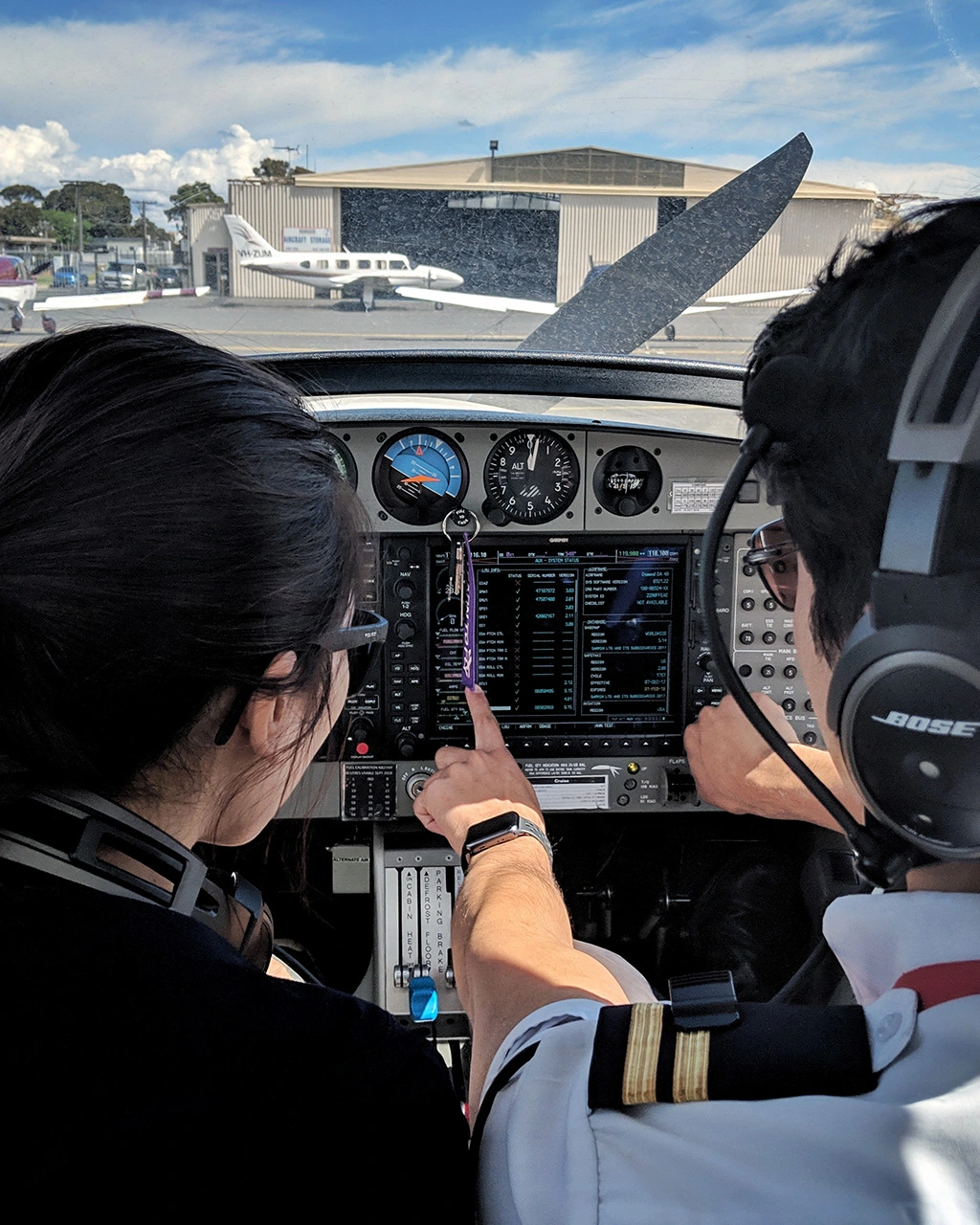
With the pre-start ignition check completed, I check the cabin. This is when you should adjust your harnesses and seats to your satisfaction, and keep a window or the canopy open. After ensuring that the propeller area is clear, flip on the beacon light switch and the master switch.

Look at your ammeter—it should show a discharge. Check your oil temperature to gauge the amount of priming required or (if it’s the Rotax 912ULS equipped Sling 2 or the Bristell at Learn to Fly) the use of choke. Ensure all circuit breakers are in and the avionics master switch is off.

Wait for it

One of my pet peeves at this stage is pilots who don their headsets before the engine has started. What if someone was trying to get your attention about an unfolding emergency? With the headset on, you wouldn’t be able to hear them. Instead, remove the headset from the dashboard and put it on your lap so you can have maximum visibility out of the windscreen.

An unwritten rule

Set the fuel selector in accordance to the POH and prime as required. After priming, ensure the primer pump is in and locked or, alternatively, that the auxiliary fuel pump is off. If the plane has a fuel-injected Lycoming machine, check that the mixture is set to full rich. If you’re ever in doubt, start with no prime. This will avert the possibility of flooding the cylinder heads due to excessive priming.

Thank you to student pilot Howard Lau for contributing this great series on flight departure processes. Stay tuned for the next part, where we run through flight pre-departure checks.
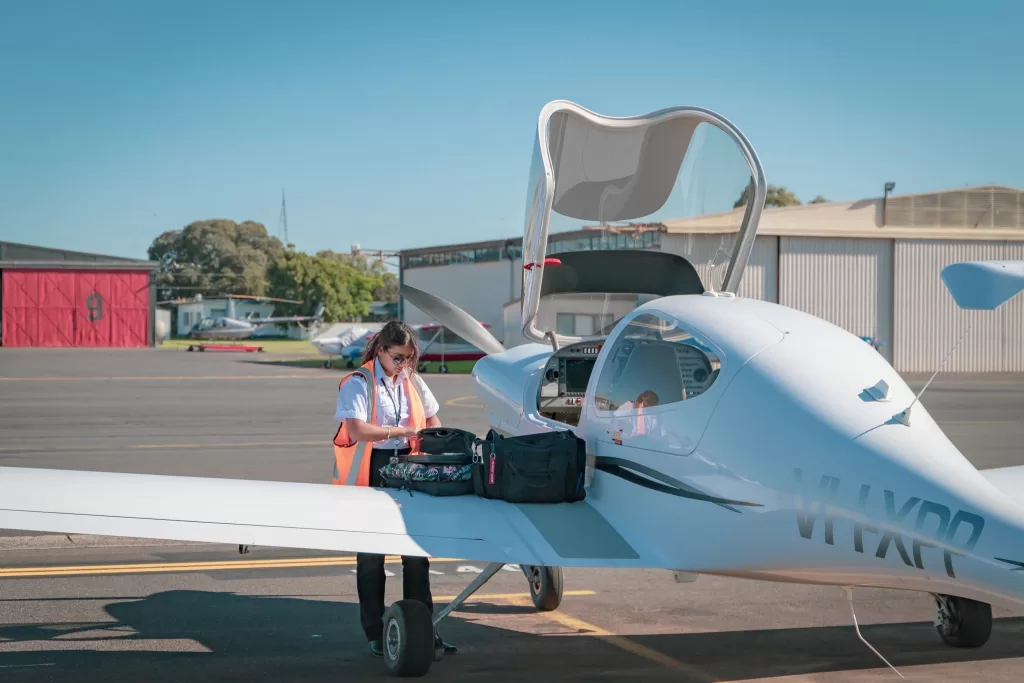
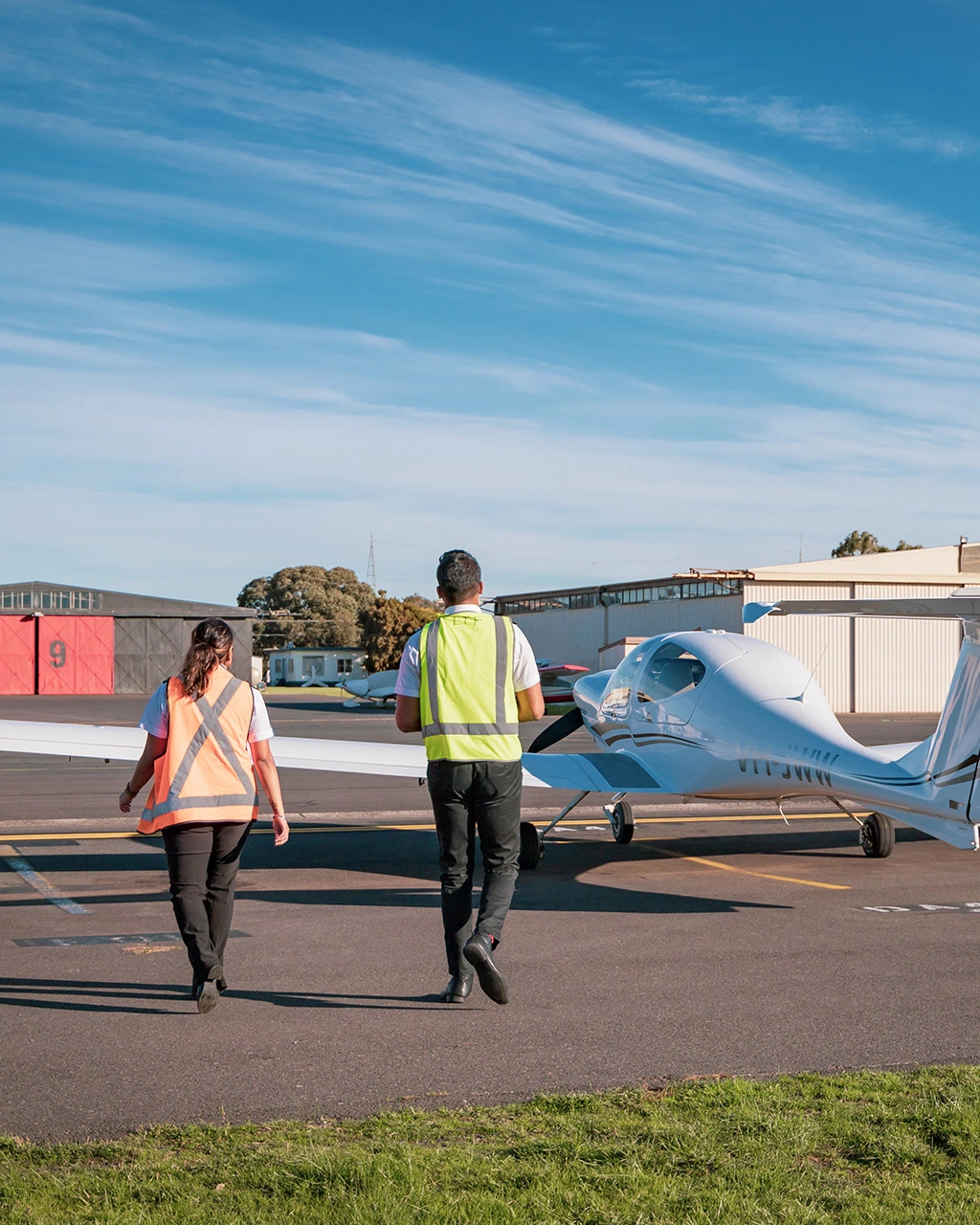
Flight-Departure-Processes-Female-Pilot
Getting your flight departure processes right ensures the safest start to your flight.

Find out what it feels like to take to the sky! Email hello@learntofly.com.au or visit https://drift.me/learntofly/meeting to book a meeting and school tour.

Learn-To-Fly-Melbourne-Youtube-Subscribe-Footer

6 Ways to Maintain Pilot Proficiency and Safety

Once you achieve the Recreational Pilot Licence (RPL) or Private Pilot Licence (PPL), as well as any endorsement or rating on top of that, you must apply yourself to the tasks required to maintain pilot proficiency and safety.

Commercial pilots do this by flying a lot of hours, but unfortunately, a lot of RPL and PPL pilots don’t have this luxury, which means their skills diminish over time. Here are six ways to make sure this doesn’t happen to you.

1. Know yourself

For the sake of common sense and for safety, a pilot should keep analysing their performances and keep practicing. More than anything, they should be aware of their limitations. It’s your responsibility to assess where you’re with your skills and knowledge at all times and compare it with where you aim to be. If you ever find there’s room for improvement, take the time before your next flight to prepare for it.

2. Show safety in your attitude

Flying is an attitude and a way of thinking. It’s about one thing above all else, and that is a concern for safety. To maintain pilot proficiency and safety means turning up focused for the flight. It’s what will keep you on track to maintain your relevant skills and qualifications down the line. Even better is if you can start putting this attitude into effect while you’re still on the ground.

3. Watch the weather

You can download the relevant weather from www.bom.gov.au or NAIPS on a regular basis to see how it is expected to develop during the course of the flight. When you know what to expect from the weather you will automatically start solving related problems prior to the flight. It will set up your in-flight decision making for success and quicken your response time when adjustments are called for.

4. Refresh your knowledge

Maintaining pilot proficiency and safety requires a high level of skill. It’s about doing what you can when you’re not physically in the cockpit, and preparing yourself for the next flight. For example, when a pilot doesn’t fly a particular aircraft for some time, particularly if it is a complex aircraft, they should study critical aspects such as speed, RPM settings and emergency procedures before flying again.

5. Seek out other pilots

Refreshing your accumulated knowledge in aviation should always be self-directed, but this doesn’t mean you can’t reach out to other pilots to get support and advice. If you’re in doubt, ask an instructor at your flying school to test you on the spot or give you ideas about who to contact.

Although things like a check flight will normally be conducted by the flight school automatically, you must be disciplined throughout your training, so that you can later recognise when this is necessary and follow through.

6. Build up your ratings and endorsements

Another way to maintain your proficiency is to go and get a new endorsement or rating. This can take your flying to a whole new level and benefit all areas of your competency to fly. While this training will add to your existing skills, it will also force you to go over what you have learnt already.

Bonus tip! Enjoy the ride!

Pilots have no shortage of things to learn and all of this needs to be maintained in the long term. Hopefully, your competency rewards you with better, easier flying experiences over time. Many pilots come to love the many small details in their regular procedures that allow them to exert an amount of control over a flight, which changes the technical success of every journey.

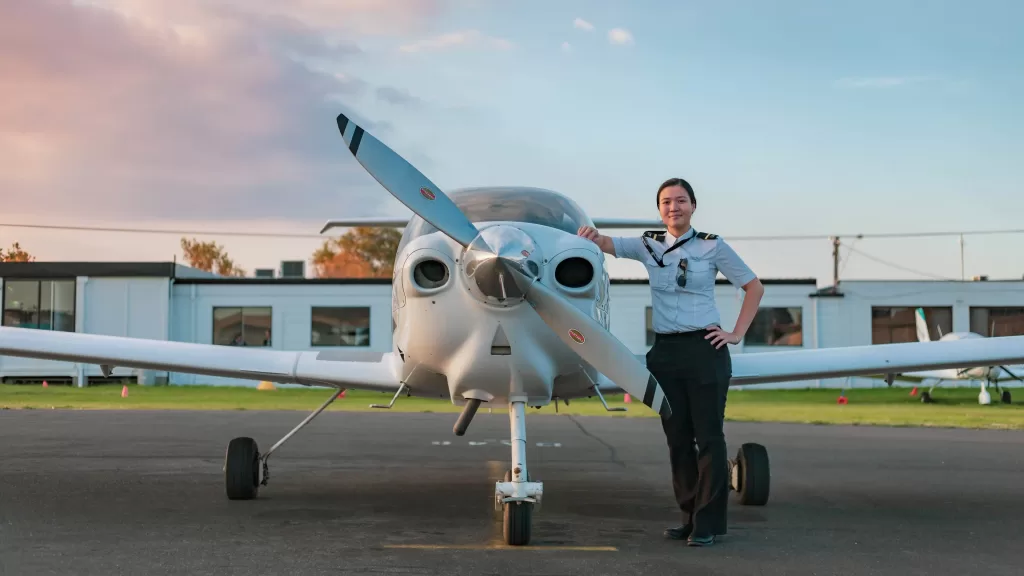
Pilot-Proficiency-and-Safety
Once you have achieved your licence, you will need to continue to to maintain pilot proficiency and safety.

Want to fly with us? Email hello@learntofly.com.au. You can also visit https://drift.me/learntofly/meeting to book a meeting and school tour. For more great flying tips and the latest flying videos, click below and subscribe to our YouTube channel!
Learn-To-Fly-Melbourne-Youtube-Subscribe-Footer

6 Ways to Improve Flight Training Efficiency

We are always thinking about ways to help our students get the most out of their flight training course. We believe it’s so important for students to be able to motivate themselves as they work through their training hours. Part of this is applying efficient learning tactics that keep everything progressing at a healthy rate. We are always looking for ways to improve flight training efficiency.

Efficient flight training results in less money and time spent, as well as an overall boost in learning gains over a period. So from every angle, there’s a benefit to the student who finds ways to learn more efficiently. Here are five to get the ball rolling!

1. Preparation

Make it a goal to come prepared. Student pilots who do preparation before their training get more out of their lessons. It makes sense that you have tried to improve your theoretical understanding of flying in between training sessions, you can more or less just work that into practice when you arrive on your training days.

Preparation can mean:

Doing practice radio calls
Studying theory
Knowing the flying pattern
Learning procedures at the training airport

Ask your instructor for details about your next lessons, and for ideas on any extra study that could help you get the most out of it. They will be happy to help!

2. Flight Simulation

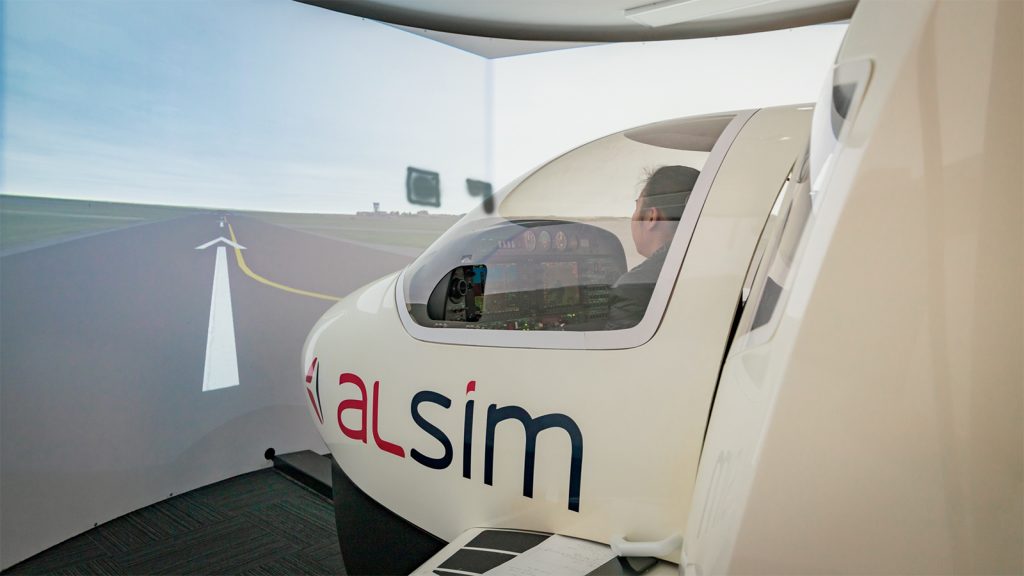
Technology has a lot to do with efficiency. If your flying school has a Flight Simulator, you should be making use of it. For the first few lessons of flight training in particular, a Flight Simulator can help you get used to flying procedures. Learning these procedures in the simulated environment first means that time spent in the real cockpit can be used to test this knowledge rather than build its foundation, and it gives you more of an opportunity to hone other aspects of flying.

3. Teamwork

Find a peer to connect with over the course of your flight training. The enthusiasm generated between fellow enthusiasts becomes self-perpetuating and the interaction, both in the air and on the ground, can be highly motivating. If you’re generally quite hard on yourself, this is a great way to get another perspective on the training process and a greater boost from each of your achievements along the way.

4. Reflection

As a student, you should be thinking about the process of flying while on the ground as one of the ways to improve flight training efficiency. This will help you to focus your mind during flight, and get used what to expect and how the flight should progress. It will also help you to get ahead of the aircraft when transitioning to different stages of the flight, such as from take-off to the climb and then cruise.

5. Look for schools offering value

Look for a good flying school with high standards, and when comparing different schools think about them based on the value they offer you. Value doesn’t just mean finding the cheapest course. It combines quality of instruction, aircraft, facilities and of course, pricing. Find out if the school you’re looking at has instructors with a passion for mentoring others, and are not only accruing their teaching hours in order to get into other jobs. High standard flying schools all have one thing in common: they’re there for you, the student!

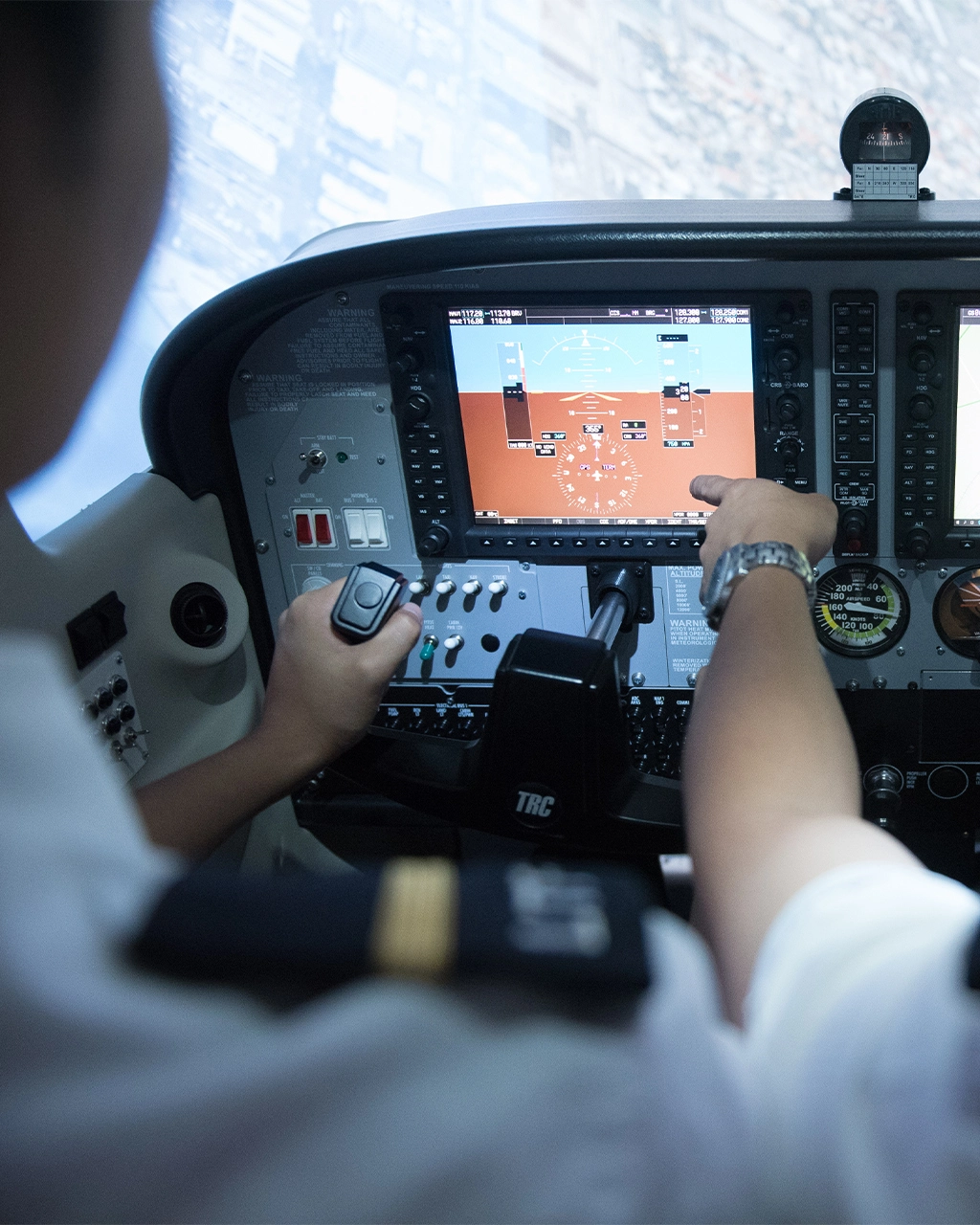
AL42-Diamond-DA42-Simulator-Learn-To-Fly-Melbourne-Hero
Making good use of flight simulators is a great way to improve flight training efficiency.

Find out how we can improve your flight training efficiency! Email hello@learntofly.com.au. You can also visit https://drift.me/learntofly/meeting to book a meeting and school tour. For more great flying tips and the latest flying videos, click below and subscribe to our YouTube channel!
Learn-To-Fly-Melbourne-Youtube-Subscribe-Footer